
There’s nothing quite like a slice of warm boysenberry pie. With its deep purple filling that’s both sweet and tart, and its flaky, buttery crust, it’s a dessert that feels like a hug. If you’ve never tried this amazing berry, you’re in for a treat. This guide will walk you through everything you need to know, from what makes boysenberries so special to baking a pie that will have everyone asking for seconds. Let’s create a classic dessert that is sure to become a new family favorite.

What is a Boysenberry? A Berry with a Story
A boysenberry is a beautiful and delicious hybrid berry. It’s a cross between a raspberry, a blackberry, and a loganberry. This gives it a complex flavor that is both sweet and slightly tart. In appearance, it looks like a large, dark purple blackberry. The story goes that a man named Rudolph Boysen first grew them in California in the 1920s. They are known for being juicier and more fragile than many other berries, which is part of what makes them so special for pies and jams. Their season is relatively short, typically in late spring and early summer, which makes them a prized find.
Boysenberry Pie is a Classic American Dessert
This pie holds a special place in American baking, especially in the West. Its popularity soared in the mid-20th century, becoming a staple at diners and family gatherings. The unique flavor of the boysenberry fills a perfect middle ground—it’s not as seedy as a blackberry pie and not as simple as a strawberry one. It creates a rich, jammy filling that is bursting with flavor. This pie represents a beautiful piece of culinary history, connecting us to a time of homey, from-scratch desserts. It’s a taste of nostalgia that continues to delight new generations.
Selecting the Best Berries for Your Pie Filling
The key to a great pie is great fruit. Look for boysenberries that are plump, dark, and shiny. They should be firm but not hard. Avoid any containers with crushed berries, stains, or signs of mold. If you see juice pooled at the bottom, it might mean the berries are overripe. Since their season is short, don’t hesitate to use frozen boysenberries. Frozen berries work wonderfully for pies and are often picked and frozen at their peak of ripeness. There’s no need to thaw them completely; just give them a quick rinse to break them up a bit before using.
Boysenberry Pie Creating the Perfect Flaky Crust
A great crust is the foundation of any pie. For a flaky, tender crust, keep your ingredients cold. Use chilled butter and ice water. The goal is to create little pockets of fat that will steam in the oven, creating flakiness. Don’t overwork the dough; mix it just until it comes together. Let the dough rest in the refrigerator for at least an hour before rolling it out. This relaxes the gluten and prevents the crust from shrinking in the oven. A good pie crust is simple: just flour, salt, fat, and water handled with a light touch.
Crafting the Sweet and Tart Boysenberry Filling
The filling is the star of the show. For a 9-inch pie, you’ll need about 5 to 6 cups of fresh boysenberries. Gently mix the berries with sugar, a squeeze of lemon juice to enhance their natural tartness, and a thickener like cornstarch or tapioca flour. The thickener is crucial because boysenberries release a lot of juice as they bake. Without it, your pie filling would be too runny. The amount of sugar can be adjusted to your taste and the sweetness of your berries. A pinch of salt can also help balance and deepen all the flavors beautifully.
Boysenberry Pie A Simple Step-by-Step Guide to Assembling
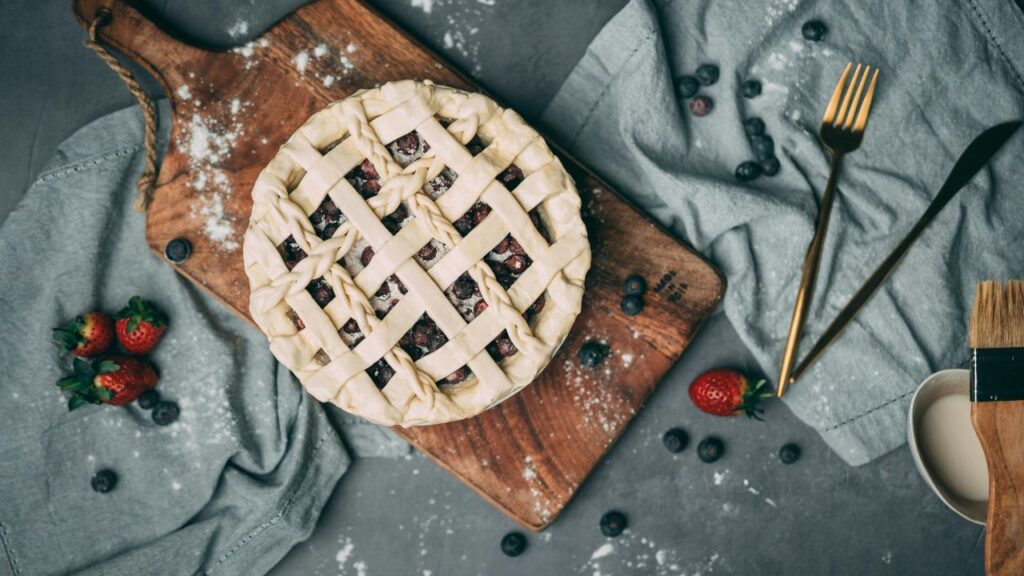
Start by rolling out your bottom crust and fitting it into your pie dish. Let the edges hang over the sides. Then, pour your prepared boysenberry filling into the crust, dotting it with little pieces of butter. This adds a rich flavor to the filling. Next, roll out your top crust. You can place it on the whole and cut slits for steam to escape, or you can get creative with a lattice weave. To seal the pie, crimp the edges of the top and bottom crust together with your fingers or a fork. For a golden finish, brush the top with a little milk or egg wash and sprinkle with coarse sugar.
Baking Tips for a Golden Brown, Bubbly Masterpiece
Preheat your oven—this is non-negotiable for a crisp crust. Place your pie on a baking sheet lined with foil to catch any bubbling-over juices. Bake the pie until the crust is a deep golden brown and the filling is thick and bubbly. This usually takes about 45-55 minutes. If the edges of your crust start to brown too quickly, you can cover them with strips of foil or a pie crust shield. Let the pie cool completely on a wire rack, which can take several hours. This waiting period is essential for the filling to set properly, so it slices neatly.
Boysenberry Pie Hardest but Most Important Step
We know it’s tempting to cut into a warm pie, but patience is key. As the pie cools, the filling continues to thicken. If you slice it too soon, the filling will be soupy and run all over the plate. Allowing it to cool to room temperature gives the cornstarch time to fully set, ensuring you get clean, beautiful slices. If you simply can’t wait, know that it will be a messier (but still delicious!) serving. For the perfect experience, try to let it cool for at least 4 hours. It’s worth the wait.
Homemade vs. Store-Bought Boysenberry Pie
| Feature | Homemade Boysenberry Pie | Store-Bought Pie |
| Freshness & Flavor | Bright, tangy-sweet flavor from fresh or frozen berries. | Often has a cooked, flat taste from preservatives and fillers. |
| Crust Texture | Flaky, buttery, and tender crust made with real butter. | Can be soggy or tough, made with cheaper fats and stabilizers. |
| Ingredient Control | You control everything – sugar level, thickener, and berry quality. | Mystery ingredients – often includes corn syrup and artificial flavors. |
| Filling Texture | Naturally thick and jammy with whole berries. | Often gummy or runny from excessive thickeners or not enough fruit. |
| Overall Experience | A rewarding, aromatic baking project that fills your home with joy. | A convenient but less satisfying shortcut. |
Serving Your Delicious Homemade Creation
A slice of boysenberry pie is fantastic all on its own. But for a truly special treat, serve it with a scoop of vanilla ice cream. The cold, creamy ice cream melting into the warm, tart pie is a classic combination known as à la mode. Whipped cream is another excellent topping. For a breakfast twist, a slice of this pie is wonderful with a cup of coffee or tea. However you choose to serve it, this homemade dessert is sure to impress and satisfy anyone with a sweet tooth.
FAQs
1. Can I use frozen boysenberries for the pie?
Absolutely! Frozen berries work perfectly and are often picked at their peak. There’s no need to fully thaw them – just give them a quick rinse to break them apart before mixing your filling.
2. Why is my pie filling so runny?
This usually happens from not using enough thickener or cutting the pie before it cools completely. Make sure to use cornstarch or tapioca flour and let the pie cool for at least 4 hours so the filling can set properly.
3. How do I prevent my crust from getting soggy?
Try baking your pie on a preheated baking sheet – this gives the bottom crust an extra heat boost. Also, make sure your filling thickener is well-mixed with the berries before baking.
4. Can I make the pie ahead of time?
Yes! You can assemble the pie and keep it refrigerated for up to 24 hours before baking. You can also freeze the unbaked pie for up to 3 months – just add 10-15 minutes to the baking time.
5. What’s the best way to serve boysenberry pie?
It’s fantastic warm with vanilla ice cream (à la mode!) or at room temperature with whipped cream. For the perfect slice, let it cool completely so the filling sets neatly.