
When you think of homemade broth, chicken or beef might come to mind first. But there’s a lighter, briny alternative that can transform your cooking: fish broth. This clear, aromatic liquid is the foundation of countless dishes, from classic soups to elegant sauces. It’s surprisingly easy to make, incredibly economical, and packs a unique flavor that other broths can’t match. This guide will walk you through everything you need to know about creating and using this versatile kitchen staple. Let’s dive into the simple art of making a perfect fish broth.
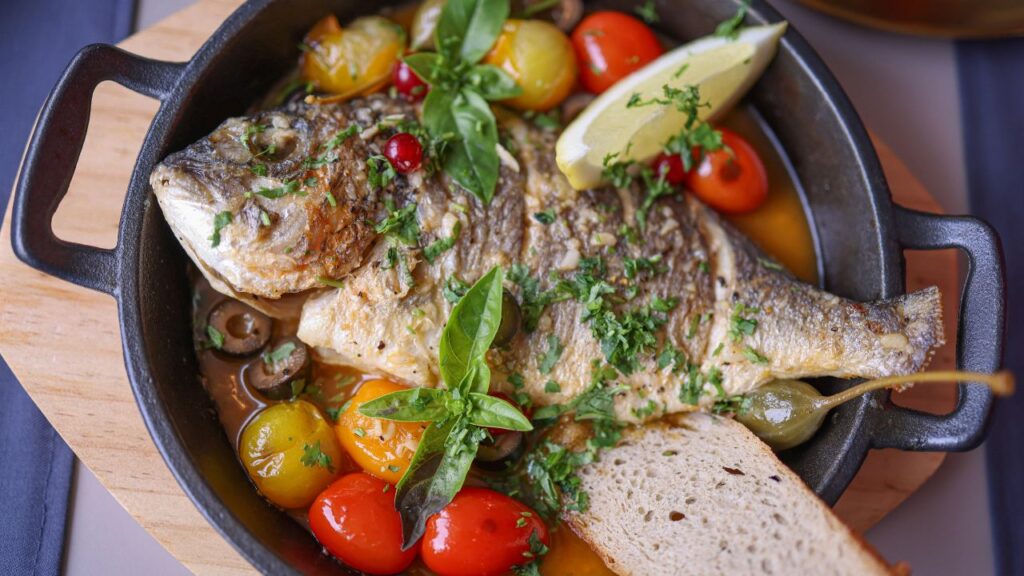
What is Fish Broth? A Simple Definition
Fish broth is a savory liquid made by simmering fish bones, heads, and trimmings in water with vegetables and herbs. Unlike meat broths that cook for hours, fish broth comes together quickly, usually in under an hour. This is because fish collagen and proteins break down much faster than those in land animals. The result is a light, clean-tasting broth with a subtle taste of the sea. It forms the base for famous dishes like cioppino, bouillabaisse, and laksa. Think of it as a quick way to capture the essence of the ocean in a pot.
Fish Broth Should Make Your Own Stock
Making your own fish broth at home has some fantastic benefits. First, it’s incredibly cost-effective. You can ask your fishmonger for frames (the skeleton after the fillets are removed) for a very low price, or even for free. Second, you have complete control over the flavor and salt content. Homemade broth is free from the preservatives and high sodium often found in store-bought versions. Finally, it’s a great way to reduce food waste by using parts of the fish that would otherwise be discarded. It turns scraps into a valuable culinary resource.
Choosing the Best Fish for Your Broth
The type of fish you use is the most important decision. You want to choose bones from mild, white-fleshed, non-oily fish. Excellent choices include flounder, sole, snapper, cod, halibut, or turbot. Avoid strongly flavored, oily fish like mackerel, salmon, or bluefish. Their powerful taste can make the broth overly fishy and strong, which might overpower your dishes. The goal is a delicate, neutral base that will enhance other ingredients, not dominate them. Always start with the freshest bones you can find for the best flavor.
Fish Broth Essential Vegetables and Aromatics
A great fish broth relies on a classic combination of vegetables to build a flavorful foundation. This trio is known as a mirepoix: onions, carrots, and celery. Chop them roughly—there’s no need for perfection here. Beyond these basics, leeks are a wonderful addition, adding a sweet, mild onion flavor. For herbs, a bay leaf and a few sprigs of fresh parsley and thyme work perfectly. A few black peppercorns add a subtle warmth. Avoid strong flavors like garlic or broccoli, as they can easily overwhelm the delicate taste of the fish.

A Simple Step-by-Step Recipe Guide
Making broth is a straightforward process. First, rinse your fish bones under cold water to remove any blood or impurities. In a large pot, sauté your chopped vegetables in a little oil until they just begin to soften. Add the fish bones, herbs, and enough cold water to cover everything by an inch. Gently bring it to a bare simmer—a few small bubbles should break the surface. Do not let it boil vigorously, as this will make the broth cloudy and bitter. Let it simmer gently for 20-45 minutes, then strain it through a fine-mesh sieve.
Fish Broth The Key to a Clear, Not Cloudy
A cloudy broth is safe to eat but isn’t as visually appealing in clear soups. To ensure a crystal-clear result, follow a few simple rules. Never let your broth come to a rolling boil; a gentle simmer is key. Avoid stirring the pot while it’s cooking, as this agitates the particles and clouds the liquid. Finally, strain the broth carefully through a fine-mesh strainer or a cheesecloth-lined colander. Don’t press on the solids; let the liquid drain through naturally. This patience will reward you with a beautiful, clear broth.
Beyond Soup Other Creative Ways to Use It
Your fish broth is far more versatile than just for soups. Use it to cook risotto instead of chicken broth for a delicious seafood risotto. It makes an incredible base for steaming clams or mussels, creating its own sauce in the process. Deglaze a pan with it after searing fish fillets to make a quick, flavorful pan sauce. You can even use it to cook grains like rice or quinoa, infusing them with a subtle depth of flavor that plain water can’t provide.
The Health Benefits of This Nutritious Base
Fish broth is not just tasty; it’s good for you too. It’s a natural source of minerals like iodine, calcium, and magnesium from the bones. It also contains gelatin and collagen, which are released during the simmering process. These compounds are wonderful for supporting joint, skin, and gut health. Because it’s low in calories and fat, it’s a fantastic base for light, healthy meals. It’s a nutrient-packed liquid that supports your well-being in every comforting sip.

Common Mistakes to Avoid for the Best Flavor
A few simple missteps can lead to a less-than-perfect broth. The biggest mistake is overcooking. Simmering for longer than an hour can extract bitter flavors from the bones. Another error is using oily fish, which we’ve already covered. Also, be cautious with salt. It’s best to not add salt during cooking. Instead, season the final dish you’re making with the broth. This gives you more control and prevents it from becoming too salty as it reduces in your recipes.
Fish Broth vs. Chicken Broth the Difference?
| Feature | Fish Broth | Chicken Broth |
| Flavor Profile | Light, delicate, and briny with a subtle sea taste | Rich, savory, and hearty with a deep meaty flavor |
| Cooking Time | Quick – 20 to 45 minutes | Long – 2 to 4 hours (or more) |
| Best For | Seafood dishes, light soups, and delicate sauces | Hearty soups, stews, grains, and general cooking |
| Key Ingredients | White fish bones, leeks, celery, and aromatics | Chicken carcass, onions, carrots, and herbs |
| Nutrition | Minerals from bones, light, and low in fat | Protein-rich, collagen, and comforting |
Fish Broth Properly Store and Freeze
Once your broth is strained and cooled, it’s ready to be stored. It will keep in an airtight container in the refrigerator for 3-4 days. For longer storage, freezing is your best friend. Pour the cooled broth into ice cube trays. Once frozen, pop the cubes out into a freezer bag. This gives you convenient, portion-sized “broth cubes” ready to melt for sauces, soups, or cooking grains. You can also freeze it in one- or two-cup containers for recipes that require more liquid.
FAQs
1. What’s the best fish to use for broth?
Stick with bones from mild white fish like cod, halibut, or flounder. Avoid oily fish like salmon or mackerel, as they can make the broth too strong and fishy.
2. How long does fish broth take to make?
Unlike meat broths, fish broth is quick! It only needs to simmer for 20-45 minutes. Cooking it longer can make it bitter.
3. Can I freeze fish broth?
Absolutely! Pour cooled broth into ice cube trays for easy portions, then transfer the frozen cubes to a freezer bag. They’ll keep for up to 3 months.
4. Why is my broth cloudy?
It likely boiled too hard. For a clear broth, keep it at a gentle simmer and avoid stirring it while it cooks.
5. What’s the difference between fish broth and fish stock?
The terms are often used interchangeably, but broth is typically made with more meaty bones and is seasoned, while stock uses mostly bare bones and is left unseasoned for more recipe flexibility.