
Imagine stepping into your kitchen and picking a fresh, sun-warmed lemon from your very own tree. With a dwarf lemon tree, this delightful scenario can be your reality. These compact, fruit-bearing wonders are perfectly suited for life in a container, bringing the joy of citrus gardening to patios, balconies, and sunny windowsills. Whether you have a sprawling backyard or a small apartment, a dwarf lemon tree can thrive. This guide will walk you through everything you need to know to successfully grow and care for your own miniature citrus grove.

What is a Dwarf Lemon Tree? A Compact Citrus Marvel
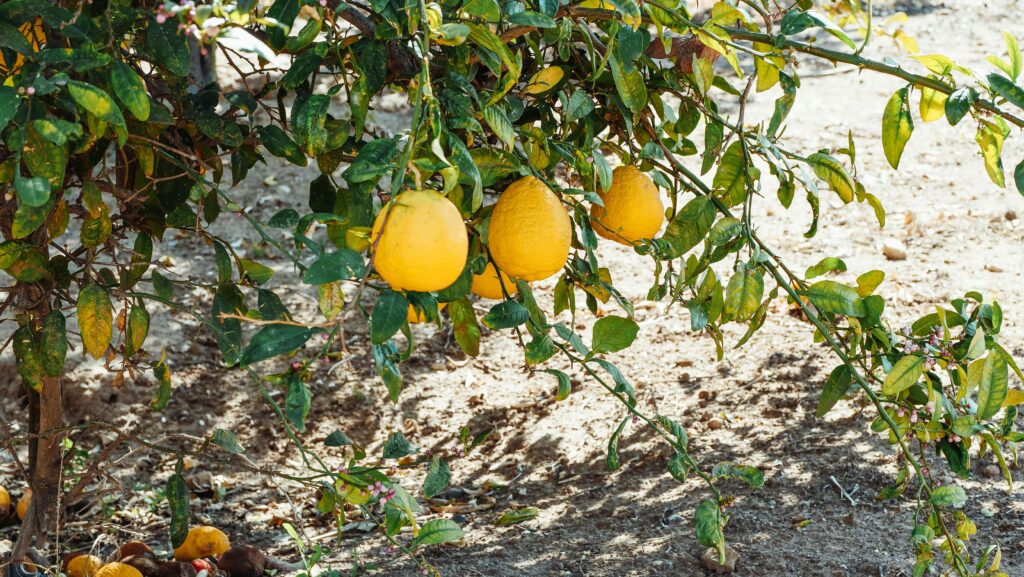
A dwarf lemon tree is not a different species; it’s a standard lemon tree that has been grafted onto a special rootstock. This rootstock restricts the tree’s size, keeping it naturally small and manageable. While a full-sized lemon tree can grow over 20 feet tall, a dwarf variety will typically stay between 5 and 8 feet, and often even smaller when grown in a pot. Despite their small stature, these trees produce full-sized, juicy lemons. They are the perfect solution for gardeners with limited space who don’t want to compromise on harvests.
Why Choose a Dwarf Citrus Tree for Your Home?
There are so many reasons to welcome a dwarf lemon tree into your home. First and foremost is the unbeatable convenience of homegrown fruit. The flavor of a lemon picked straight from the tree is far superior to anything you’ll find in a store. These trees are also beautifully ornamental, with glossy green leaves, fragrant white blossoms, and bright yellow fruit all at once. They purify the air and add a vibrant, living element to your decor. For families, they provide a fun and educational project for children to learn about where food comes from.
Dwarf Lemon Popular Varieties of Potted Trees
Several excellent dwarf lemon varieties are perfect for container growing. The Meyer Lemon is the most popular, known for its sweeter, less acidic fruit and thin skin. It’s also more cold-tolerant and blooms repeatedly. The Eureka Lemon produces classic, tart supermarket-style lemons abundantly throughout the year. The Lisbon Lemon is another great choice, known for its vigorous growth and high-quality, acidic fruit. For something unique, the Ponderosa Lemon produces massive, bumpy-skinned lemons. Each variety has its own charm and flavor profile.
Finding the Perfect Sunlight and Location
Sunlight is the most important ingredient for a happy dwarf lemon tree. These sun-lovers need a minimum of 6 to 8 hours of direct sunlight each day. A south-facing window is ideal for indoor trees. During the warm summer months, you can move your potted tree outside to a sunny patio or balcony, which will give it an extra boost. The tree also needs good air circulation to prevent pests and diseases. Avoid placing it near heat vents or drafty doors, as sudden temperature changes can stress the plant and cause it to drop its flowers and fruit.
Dwarf Lemon Right Pot and Soil for Healthy Roots
Selecting the right home for your tree’s roots is crucial. Choose a pot that is only slightly larger than the root ball, as a pot that is too big can hold excess water and cause root rot. Ensure the container has excellent drainage holes. A lightweight plastic or fiberglass pot is easier to move than a heavy ceramic one. For soil, never use garden soil, which is too dense. Instead, use a well-draining, slightly acidic potting mix labeled specifically for citrus or cactus. This special mix provides the perfect balance of moisture retention and drainage.
Watering Your Miniature Lemon Tree Correctly
Watering is a common challenge, but getting it right is simple once you know how. The goal is to keep the soil consistently moist but never soggy. Stick your finger about two inches into the soil. If it feels dry, it’s time to water. Water deeply until it runs out of the drainage holes, then let the top layer of soil dry out before watering again. In warm weather, this might mean watering every few days; in winter, it will be much less frequent. Overwatering is the fastest way to harm your tree, so when in doubt, it’s better to underwater slightly.
Dwarf Lemon Feeding A Simple Fertilizing
A tree living in a pot relies on you for all its nutrients. To keep it healthy and productive, it needs regular feeding with a fertilizer made for citrus trees. These fertilizers contain the right balance of nitrogen, phosphorus, and potassium, plus essential micronutrients like iron and zinc. Follow the instructions on the package, but a general rule is to fertilize every 4-6 weeks during the active growing season (spring and summer). In fall and winter, you can reduce feeding to once every two months or stop altogether if the tree is not actively growing.
The Joy of Blooms and Fruit: What to Expect
One of the greatest joys of a dwarf lemon tree is watching its growth cycle. The tree will produce clusters of small, white buds that open into beautifully fragrant flowers. These flowers need to be pollinated to produce fruit. If your tree is outdoors, bees will handle this. Indoors, you can gently shake the branches or use a small paintbrush to transfer pollen from one flower to another. After successful pollination, the flowers will drop their petals, and tiny green lemons will begin to form. It can take several months for them to grow and ripen to a bright yellow.
Lemon Tree vs. Standard Lemon Tree
| Feature | Dwarf Lemon Tree | Standard Lemon Tree |
| Size & Space | Compact (5-8 feet tall) – perfect for containers | Large (15-25 feet tall) – needs yard space |
| Growing Location | Indoors or outdoors – great for patios and windowsills | Outdoors only – requires ground planting |
| Maintenance | Easy to manage – pruning and harvesting at arm’s reach | More challenging – may require ladders for care |
| Fruit Production | Full-sized fruit on a small tree – impressive yield for size | Heavy yields but takes up significant space |
| Best For | Small spaces, beginners, and container gardening | Large gardens and commercial growing |
Dwarf Lemon Pruning and Shaping Your Potted Tree
Pruning your dwarf lemon tree helps maintain its shape, encourages new growth, and improves air circulation. The best time to prune is after the main harvest or in late winter before the spring growth surge. Use clean, sharp pruning shears to remove any dead, damaged, or diseased branches. You can also trim back any long, leggy branches to keep the tree compact and bushy. Try to open up the center of the tree to allow light to reach all the leaves. Don’t be afraid to prune; it will help your tree stay healthy and productive for years to come.
FAQs
1. How big does a dwarf lemon tree actually get?
When grown in a container, most dwarf lemon trees stay between 5-8 feet tall, making them perfect for patios and sunny indoor spots.
2. How much sun does my potted lemon tree need?
These trees are sun lovers! They need at least 6-8 hours of direct sunlight daily to produce healthy flowers and fruit.
3. What’s the best dwarf lemon variety for beginners?
Meyer Lemon is perfect for beginners! It’s more cold-tolerant, has sweeter fruit, and blooms repeatedly throughout the year.
4. How often should I water my indoor lemon tree?
Water when the top 2 inches of soil feel dry. This usually means watering every few days in summer and less often in winter – always check the soil first!
5. Why are the leaves on my lemon tree turning yellow?
Yellow leaves usually mean overwatering. Let the soil dry out more between waterings, and make sure your pot has good drainage holes.