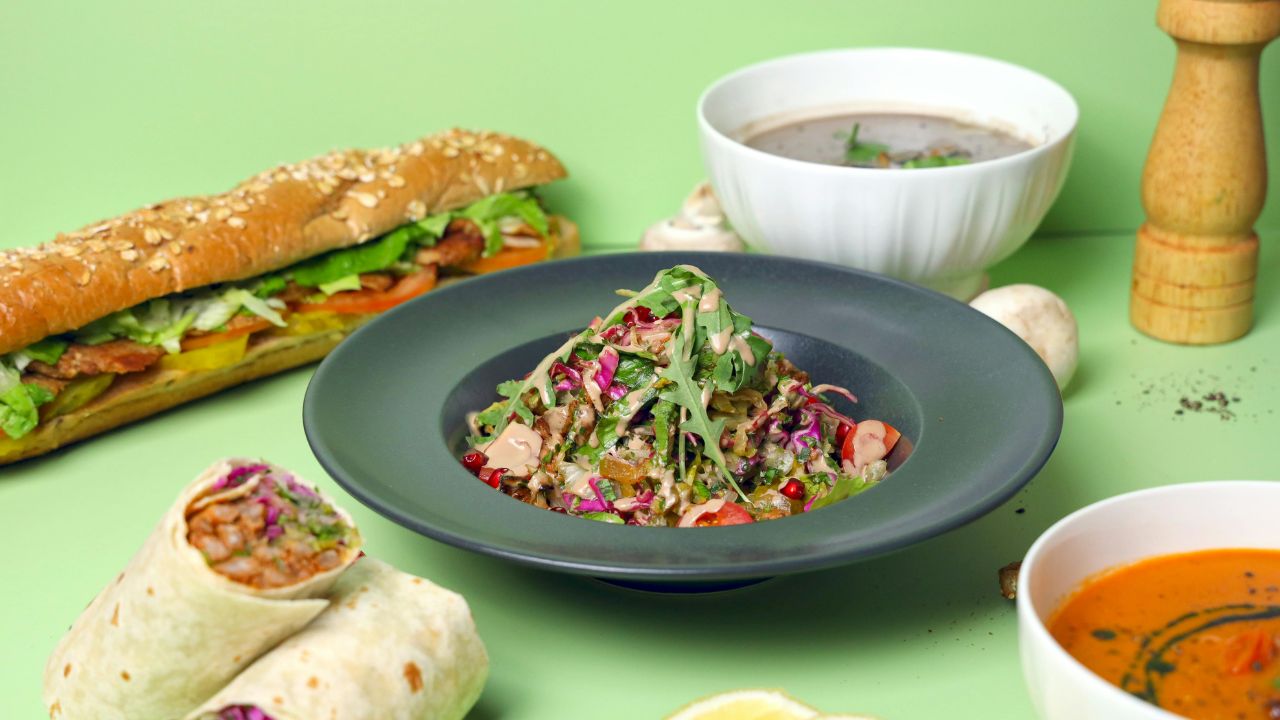
When you hear “sub italiani,” you might picture a delicious, overstuffed sandwich—and you’d be right! But there’s so much more to these Italian classics than just meat and bread. A true Italian sub is a masterpiece of flavor and texture, featuring the finest cured meats, sharp cheeses, and tangy vegetables, all nestled in a perfectly chewy roll. This article will guide you through everything you need to know about these iconic sandwiches, from their history to how you can create an authentic version at home. Get ready to fall in love with the real taste of Italy!
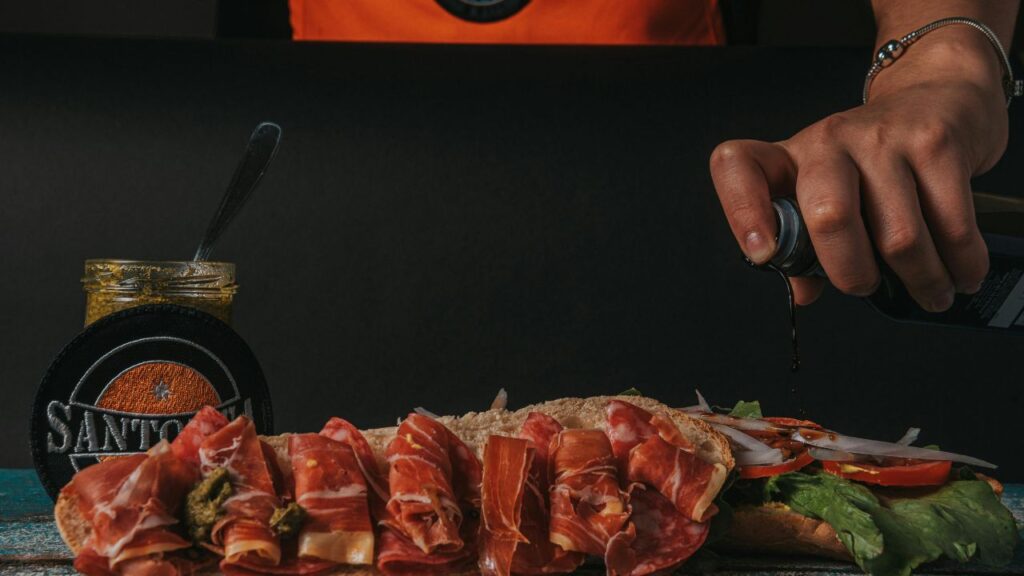
What is a Sub Italiani? A Taste of Italy
A sub italiani, often called an Italian sub or hoagie, is a type of sandwich that originated in Italian-American communities. It’s known for its generous layers of various Italian cured meats, provolone or mozzarella cheese, and an array of pickled vegetables, all dressed with oil and vinegar. The name “sub” comes from the sandwich’s long shape, which resembles a submarine. What makes it special is the combination of salty, savory, and tangy flavors in every bite. It’s a satisfying meal that showcases the best of Italian deli traditions.
Sub Italiani The History Behind the Sandwich
The Italian sub has its roots in the late 19th and early 20th centuries, when Italian immigrants arrived in the United States. They brought with them a love for cured meats and robust flavors. To create a taste of home, they began stacking these meats on bread, adding whatever vegetables were available. Over time, this simple sandwich evolved into the beloved sub we know today. It became especially popular in cities like Philadelphia and New York, where Italian communities thrived. Now, it’s a staple in delis and restaurants across the country.
Essential Ingredients for an Authentic Sub
Creating an authentic Italian sub starts with quality ingredients. You’ll need a selection of cured meats, such as salami, pepperoni, and capicola. Provolone is the cheese of choice for its mild, slightly sharp flavor. The bread should be a sturdy, chewy Italian roll that can hold up to the fillings without getting soggy. For the vegetables, lettuce, tomatoes, onions, and pickled peppers are must-haves. Finally, a drizzle of olive oil and red wine vinegar ties everything together. Don’t forget the oregano and salt and pepper for seasoning!
Sub Italiani Choosing the Right Bread
The bread is the foundation of any great sub. Look for a roll that is crisp on the outside but soft and airy on the inside. A classic Italian roll or a hoagie bun works perfectly. The key is that it should be sturdy enough to support the fillings without falling apart. Some people prefer a roll with a slight dusting of cornmeal on the crust for extra texture. If you’re baking your own, a little sesame seeds on top can add a nice touch. Avoid bread that’s too dense or too soft, as it can make the sandwich difficult to eat.
The Best Meats for a Classic Italian Sub
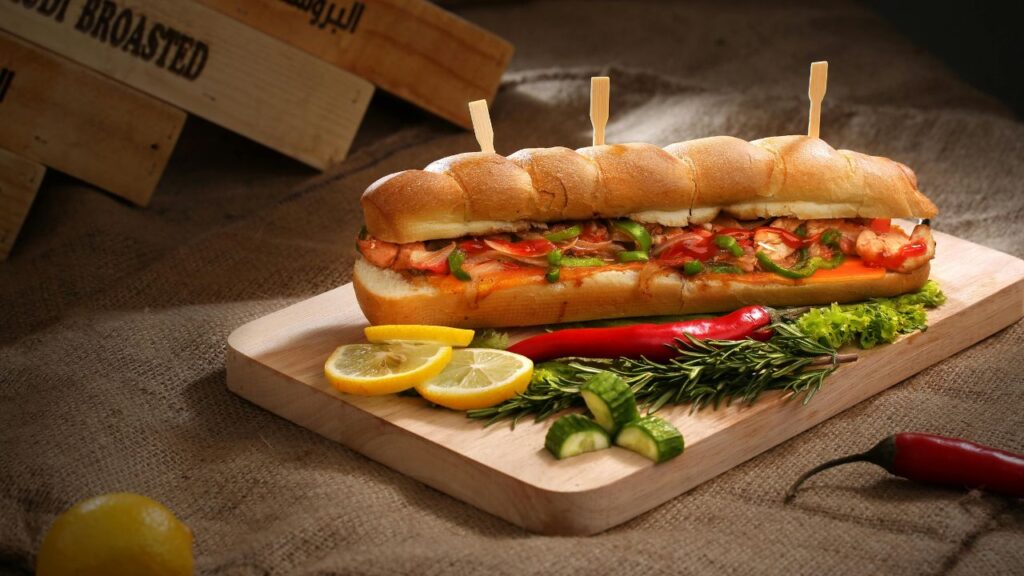
A traditional Italian sub features a variety of cured meats. Salami brings a rich, garlicky flavor, while pepperoni adds a bit of spice. Capicola, a cured pork shoulder, offers a delicate, slightly sweet taste. Some subs also include mortadella, a smooth, finely textured meat with pistachios. For the most authentic experience, try to find meats that are imported from Italy or made in the traditional style. The combination of these meats creates a complex flavor profile that is both savory and satisfying.
Sub Italiani From Provolone to Mozzarella
Cheese is what makes a sub creamy and delicious. Provolone is the top choice because it melts well and has a tangy flavor that complements the meats. If you prefer something milder, fresh mozzarella is a great option. For a stronger taste, aged provolone or even a sharp Parmesan can be used. The cheese should be sliced thinly so it layers easily with the other ingredients. Whether you go for provolone or mozzarella, the cheese should enhance the sandwich without overpowering the other flavors.
Fresh Vegetables and Condiments to Include
Vegetables add crunch and freshness to your sub. Start with crisp lettuce and ripe tomato slices. Thinly sliced red onion adds a sharp bite, while pickled banana peppers or pepperoncini provide a tangy kick. For condiments, a mix of olive oil and red wine vinegar is classic. You can also add a spread like mayonnaise or mustard, though purists often stick to just oil and vinegar. Don’t forget a sprinkle of dried oregano and a pinch of salt and pepper to bring out all the flavors.
Sub Italiani Step-by-Step Assembly Guide
Building the perfect sub is an art. Start by slicing your roll lengthwise, but not all the way through—leave one edge connected. If you like, hollow out a bit of the top bread to make more room for fillings. Layer the meats first, folding them loosely so they don’t lie too flat. Add the cheese next, followed by the lettuce, tomatoes, onions, and peppers. Drizzle with oil and vinegar, and season with oregano, salt, and pepper. Close the sandwich gently and press down lightly to compact the ingredients. Slice in half diagonally for easier eating.
Popular Variations of the Italian Sub
While the classic sub is beloved, there are many tasty variations. Some people add roasted red peppers or artichoke hearts for extra flavor. A “hot” sub might include grilled vegetables or even meatballs. In some regions, you’ll find subs with tuna or chicken instead of cured meats. For a spicy kick, add jalapeños or hot sauce. Vegetarian versions can be made with grilled zucchini, eggplant, and plenty of cheese. No matter which variation you choose, the principles of a good sub—quality ingredients and great balance—remain the same.
Italian Sub vs. Regular Sub the Difference?
| Feature | Italian Sub | Regular Sub |
| Key Ingredients | Cured Italian meats (salami, capicola, pepperoni) | Various meats – often single protein like turkey or ham |
| Cheese Choice | Provolone as the classic choice | Any cheese – American, cheddar, or Swiss |
| Dressing | Oil & vinegar with oregano | Mayonnaise, mustard, or other sauces |
| Vegetables | Lettuce, tomato, onion, pickled peppers | Lettuce, tomato, various other toppings |
| Flavor Profile | Salty, tangy, savory Italian deli flavors | Varies widely by ingredients used |
Sub Italiani Pairing with Sides and Drinks
An Italian sub is a meal in itself, but the right sides and drinks can make it even better. Classic pairings include potato chips, a crisp pickle spear, or a simple pasta salad. For something healthier, try a side of coleslaw or a green salad. When it comes to drinks, a cold beer or a glass of red wine complements the salty meats perfectly. Iced tea or lemonade are great non-alcoholic options. The goal is to choose sides and drinks that refresh your palate between bites of the rich, savory sandwich.
FAQs
1. What’s the difference between a sub italiani and a regular sub?
A true Italian sub features specific cured meats like salami, capicola, and pepperoni with provolone cheese, oil, and vinegar, while regular subs might use different meats and condiments.
2. What’s the best bread for an authentic Italian sub?
A sturdy Italian roll or hoagie bun works best – it should be crisp outside but soft inside to hold all those delicious fillings without getting soggy.
3. Can I make a vegetarian version?
Absolutely! Load it up with grilled vegetables like zucchini and eggplant, roasted peppers, artichokes, and plenty of cheese. The oil and vinegar dressing keeps it authentic.
4. What’s the proper way to layer the ingredients?
Start with meats first, then cheese, followed by vegetables. Drizzle with oil and vinegar last, and always season with oregano, salt, and pepper.
5. How long will a prepared Italian sub keep?
It’s best eaten fresh, but you can wrap it tightly and refrigerate for up to a day. The bread might get softer, but it will still taste delicious!