
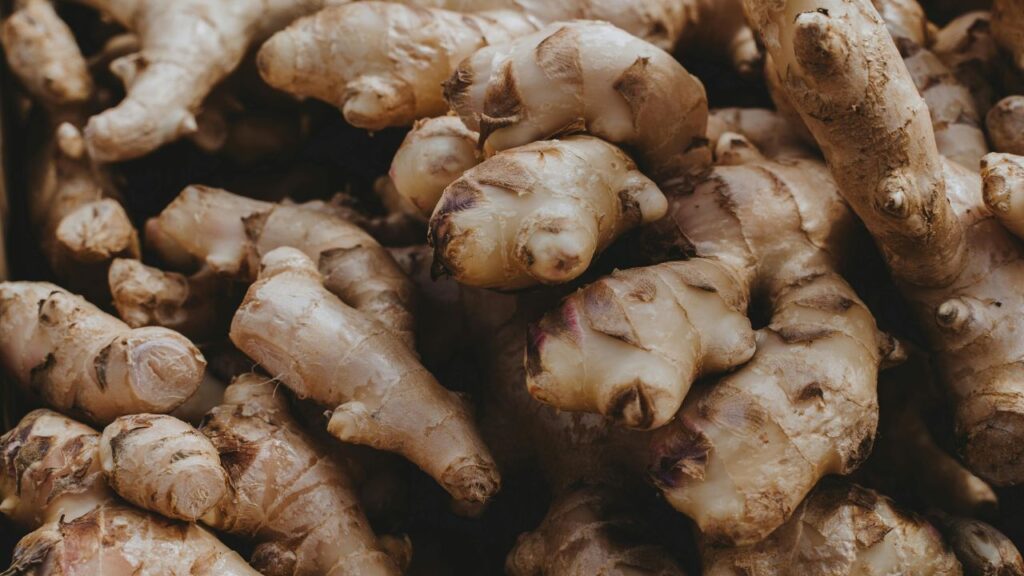
Yacon is a sweet, crunchy root vegetable that has become increasingly popular for its gentle flavor and potential health benefits. It looks similar to a potato but tastes more like a mild apple or pear, making it enjoyable both raw and cooked. Many people value because it offers natural sweetness without a heavy load of digestible sugar. Instead, it contains helpful fibers that pass through the body slowly, which may help support digestion and steady energy. As more people search for healthier, easy-to-use foods, continues to stand out for its taste, flexibility in recipes, and light, refreshing crunch that fits well into many diets.
What Is Yacon Root? Origin and Uses Explained
Yacon root has been grown in the mountains of South America for centuries, where it was loved for its hydrating, crisp texture. Traditional communities used it both as a food and as a refreshing source of natural fluids. Today, yacon root is grown in many regions with mild climates, making it more available around the world. Its rising popularity comes from its gentle sweetness and ease of use in everyday meals. Because it grows underground like other tubers, it stays fresh for a long time and travels well. This long history combined with modern interest in natural foods has brought renewed attention as a versatile and approachable plant.
Yacon Benefits for Daily Wellness
The benefits of yacon are widely discussed because it supports wellness in several simple, practical ways. One of its most talked-about advantages is its high content of prebiotic fiber, which feeds good bacteria in the gut. Many people also enjoy yacon because it provides sweetness without the blood sugar spikes associated with regular sugar. This makes it a useful option for those looking to manage energy levels more steadily. Some early studies suggest that may also support weight management when used as part of a balanced diet. Even though research continues, many individuals appreciate how easily fits into their routines, offering a natural boost to digestive comfort and overall well-being.
Yacon Syrup as a Natural Sweetener
It syrup is created by reducing the juice of the root until it becomes a thick, dark liquid with a taste similar to caramel or molasses. People often use yacon syrup as a simple replacement for honey or traditional syrup in drinks, desserts, and breakfast foods. Because the syrup contains natural fibers that the body does not fully digest, it provides sweetness with fewer absorbed sugars. This makes it attractive for those looking to cut down on refined sugar while still enjoying flavor. It blends smoothly, adds a pleasant depth to foods, and supports digestive balance thanks to its prebiotic components. For many households, syrup offers an easy path toward gentler, more mindful sweetening.
Nutritional Healthier Root Value of Yacon
The nutritional profile of yacon is a major reason it is gaining attention. This root is low in calories yet rich in water and fiber, making it a refreshing and satisfying food choice. Instead of simple sugars, yacon contains special carbohydrates known as fructooligosaccharides, or FOS, which function as natural prebiotics. These fibers support gut bacteria and slow down digestion in a comfortable way. Yacon also provides small amounts of minerals like potassium, which play a role in hydration and muscle health. Its mild sweetness comes without heavy starch or fat, giving it a unique place among root vegetables. Because of this, fits easily into many health-focused eating styles.

Yacon and Today’s Diet Trends A Perfect Match
It has become popular in modern diets that aim for balance, comfort, and simplicity. People who follow plant-based, low-sugar, or high-fiber styles of eating often find it especially useful. Unlike many sweeteners, does not overwhelm food with a heavy sugar taste, so it blends easily with both sweet and savory dishes. It can be eaten raw in salads, baked with vegetables, or used as a topping for yogurt or oatmeal. Because it absorbs flavors well, it works naturally in a variety of recipes. This flexibility makes yacon a helpful addition for anyone looking to enjoy sweetness thoughtfully while keeping meals light and nourishing.
How to Use Yacon in Easy Recipes
Cooking with yacon is simple because the root’s natural crispness and light sweetness work well in everyday recipes. Raw slices add freshness and crunch to salads or fruit bowls. Roasted develops a caramel-like flavor, making it a gentle side dish for vegetables, tofu, or lean meats. Yacon syrup can sweeten smoothies, coffee, pancakes, or homemade energy bars without overpowering other ingredients. For those who enjoy baking, a small amount of yacon syrup can replace part of the sugar in muffins or cookies. Its versatility means beginners and experienced cooks alike can create enjoyable meals that still feel wholesome and balanced.
Simple Steps for a Healthy Harvest
Growing yacon at home has become more appealing as people look for easy ways to produce their own fresh foods. The plant grows from small root-like buds and develops leafy stems above ground while forming edible tubers below. It does best in mild climates with good sunlight and well-drained soil. Gardeners appreciate that yacon is fairly low-maintenance and resistant to many common pests. Once harvested, the roots can be stored for several months if kept in a cool, dark place, making them a practical addition to home gardening. With patience and simple care, even beginner gardeners can enjoy a steady supply of crisp, naturally sweet yacon.
Yacon’s Role in Sustainable Eating
Yacon plays a supportive role in sustainable eating because it grows efficiently, requires moderate resources, and stores well without heavy processing. In regions where it is native, the plant has long been valued for its dependability and minimal need for chemical support. As interest in climate-friendly foods increases stands out as a root vegetable that provides nourishment with a smaller environmental footprint. Many small farms appreciate that can thrive without excessive intervention. Its long shelf life also reduces food waste. These qualities make not only a nutritious choice but also an environmentally mindful one.
Difference Table (SEO-Optimized & Easy to Read)
| Feature | Yacon Root | Yacon Syrup | Why It Matters |
| Form | Crunchy, fresh tuber | Thick, sweet liquid | Helps readers choose the form that fits their needs |
| Taste | Mild, apple-like sweetness | Rich, caramel-like flavor | Enhances cooking flexibility and meal planning |
| Best Use | Salads, roasting, snacking | Drinks, desserts, baking | Supports different cooking preferences |
| Sugar Impact | Very low digestible sugars | Lower glycemic than regular sugar | Useful for people reducing sugar intake |
| Fiber Content | High in natural FOS fiber | Contains prebiotic FOS but slightly lower | Supports digestive health discussions |
| Storage | Stores for months in cool places | Stores like honey or maple syrup | Helps with planning and food budgeting |
| Diet Compatibility | Fits plant-based, high-fiber diets | Fits low-sugar, low-calorie sweetener needs | Makes the article more relevant for dietary searches |
| Environmental Impact | Grown with low resource needs | Processed but still eco-friendly | Adds value for sustainability-focused readers |

Yacon Benefits Are They Right for Your Needs?
Deciding whether yacon is a good fit for your diet depends on your personal needs and preferences. If you enjoy gentle sweetness, high-fiber foods, and natural ingredients, yacon may be a pleasant addition. People who are looking for alternatives to refined sugars often appreciate syrup, while those focusing on digestive support may enjoy the root itself. As with any food, it is smart to start with small amounts to see how your body responds, especially if you are not used to high-fiber ingredients. Because yacon is easy to use in many recipes, it provides a simple way to explore new flavors while supporting comfortable, balanced eating habits.
FAQs
1. What does yacon taste like?
Yacon tastes mildly sweet, similar to a mix of apple and pear, with a crisp, refreshing texture.
2. Is yacon good for digestion?
Yes. Yacon contains natural prebiotic fiber that helps support healthy gut bacteria and smoother digestion.
3. How do you use yacon in cooking?
You can eat yacon raw in salads, roast it with vegetables, or use syrup as a gentle natural sweetener.
4. Can yacon help reduce sugar intake?
Yes. syrup offers sweetness with fewer digestible sugars, making it a helpful alternative to refined sugar.
5. Is yacon easy to grow at home?
It is fairly simple to grow in mild climates, needing sunlight, well-drained soil, and regular watering.