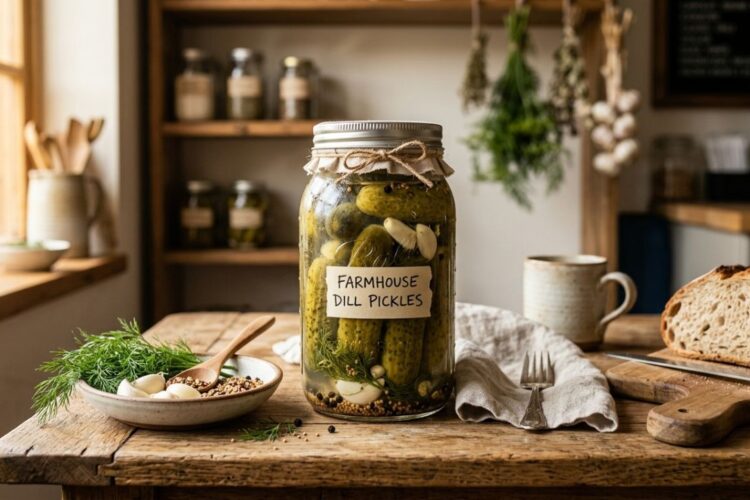
Deli pickles are a classic favorite known for their bold taste and satisfying crunch. Served in delis, diners, and homes around the world, these pickles are more than just a side dish—they are a flavor booster that enhances almost any meal. Their tangy, salty profile makes them especially popular alongside sandwiches, burgers, and grilled foods. At their simplest, deli pickles are cucumbers preserved in a brine made from water, salt, and sometimes vinegar. What gives them their signature taste is the addition of garlic, dill, and aromatic spices. Some deli pickles are naturally fermented, which gives them a deeper, more complex flavor, while others are made quickly using vinegar for a faster result.

The History Behind Deli Pickles
The roots of deli pickles go back to Eastern Europe, where pickling was an essential method of preserving vegetables. When Jewish immigrants arrived in the United States in the early 20th century, they brought these traditions with them. In cities like New York, delicatessens became popular gathering places, and pickles quickly became a staple offering. Traditionally, pickles were fermented in large wooden barrels and served fresh to customers. Their sharp, tangy flavor provided the perfect contrast to rich deli meats like pastrami and corned beef. Over time, deli pickles became an iconic part of deli culture and spread across the country and beyond.
How Deli Pickles Are Made
The process of making deli pickles may seem simple, but it involves careful preparation and timing. There are two main approaches that define how these pickles develop their flavor. The traditional method relies on fermentation. Fresh cucumbers are submerged in a saltwater brine and left at room temperature for several days. During this time, natural bacteria break down sugars in the cucumbers, creating a tangy flavor and beneficial compounds. The quicker method uses vinegar in the brine. This technique produces pickles in a shorter time and is more convenient for home cooks, though it does not create the same depth of flavor as fermentation.
The ingredients used play a major role in the final result. Fresh cucumbers, garlic, dill, and whole spices combine to create that familiar deli-style taste that people love.
What Makes the Flavor So Unique
Deli pickles stand out because of their perfect balance of flavors. They are not overly sour or overwhelmingly salty but instead combine these elements in a way that feels bold yet refreshing. The brine infuses the cucumbers with layers of taste over time. Garlic adds a savory depth, dill brings a fresh herbal note, and spices contribute subtle complexity. As the pickles sit, their flavor intensifies, making each bite more satisfying than the last. This balance is what makes deli pickles so versatile. They can complement heavy meals, refresh the palate, or simply be enjoyed on their own as a quick snack.
Health Benefits of Deli Pickles
Deli pickles can offer some nutritional benefits, especially when they are naturally fermented. These pickles may contain beneficial bacteria that support digestion and overall gut health. They are also low in calories, making them a light option for those looking to snack without adding too many extra calories. Cucumbers themselves provide small amounts of important nutrients, including vitamin K and antioxidants. However, it is important to be mindful of sodium levels, as pickles can be quite salty. Enjoying them in moderation is the best approach for maintaining balance in your diet.
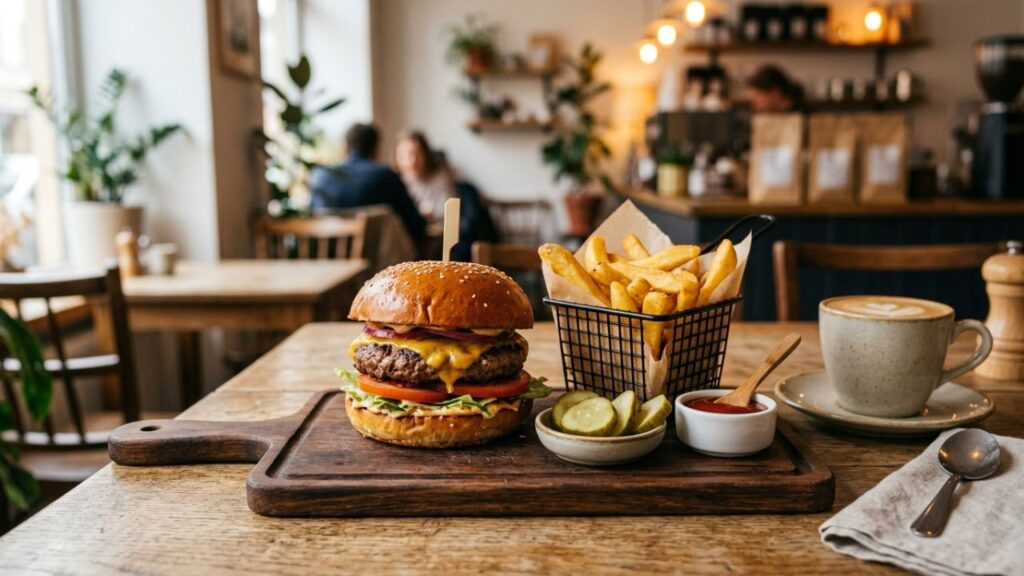
Why Deli Pickles Make Meals Better
There is a reason deli pickles are almost always served with hearty foods. Their crisp texture and tangy taste help balance richer flavors, making meals feel more complete.
- They add crunch and freshness to sandwiches and burgers
- Their acidity cuts through fatty or heavy dishes
- They enhance simple meals by adding a burst of flavor
Even a basic sandwich can feel more satisfying with the addition of a well-made deli pickle on the side.
Popular Types of Deli Pickles
While dill pickles are the most well-known, there are several variations that offer different flavor experiences.
- Classic dill pickles made with garlic and fresh dill
- Kosher-style pickles known for their bold seasoning
- Spicy pickles that include chili flakes or peppers
Each type has its own unique twist, allowing you to explore different levels of intensity and flavor.
Choosing the Right Cucumbers
The quality of cucumbers plays a big role in how your pickles turn out. Fresh, firm cucumbers produce the best results, especially those that are smaller in size and have fewer seeds. Kirby cucumbers are often considered the best choice because of their crisp texture and ability to hold up well during pickling. Avoid cucumbers that feel soft or have blemishes, as they may not produce the desired crunch.
Storing Deli Pickles for Freshness
Proper storage helps maintain both flavor and texture. Once pickles are ready, they should be kept in the refrigerator to slow down the fermentation process and preserve their taste. It is important to keep the cucumbers fully submerged in the brine, as exposure to air can affect their quality. Using a clean, airtight container also helps prevent contamination and extends shelf life. Homemade pickles typically last a few weeks, while store-bought varieties may last longer depending on how they are processed.
How to Make Deli Pickles at Home
Making deli pickles at home is simpler than many people expect and allows you to customize the flavor to your liking. Start by washing fresh cucumbers and cutting them into your preferred shape. Prepare a brine by dissolving salt in water, then place garlic, dill, and spices into a clean jar. Pack the cucumbers tightly and pour the brine over them until they are fully covered.Let the jar sit at room temperature for a few days, tasting occasionally to check the flavor. Once the pickles reach your desired taste, move them to the refrigerator to slow further fermentation. The result is a batch of homemade pickles that are fresh, flavorful, and uniquely yours.
Common Mistakes to Avoid
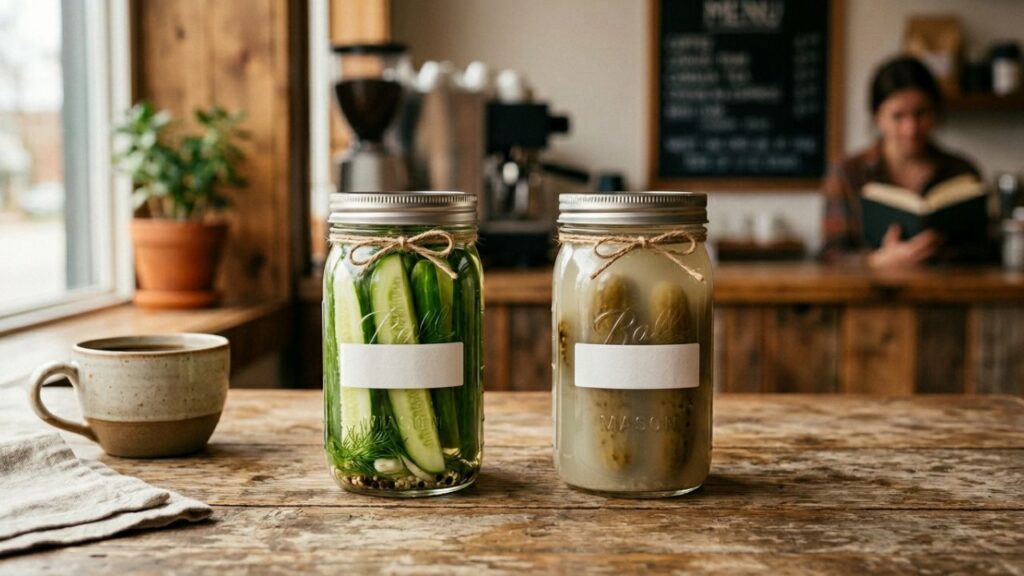
Even though the process is straightforward, small mistakes can impact the final result. Using the wrong type of salt, not keeping the cucumbers submerged, or using less-than-fresh produce can all affect quality. Another common issue is over-fermentation, which can make pickles too sour. Paying attention during the process ensures a better outcome and more enjoyable flavor.
Deli Pickles vs Other Pickle Types
Deli pickles differ from other varieties mainly in their flavor profile. While sweet pickles rely on sugar and bread-and-butter pickles offer a mild balance, deli pickles focus on bold, savory, and tangy notes. This makes them especially appealing to those who prefer a stronger, less sugary taste. Their crisp texture and intense flavor give them a unique place among pickled foods.
FAQs
1. What makes deli pickles different from regular pickles?
Deli pickles are known for their bold, tangy, and savory flavor, often enhanced with garlic and dill rather than sweetness.
2. Are deli pickles always fermented?
Not always. Traditional versions are fermented, but many modern recipes use vinegar for quicker preparation.
3. Are deli pickles good for digestion?
Fermented pickles may support digestion due to beneficial bacteria, but this depends on how they are made.
4. How long do homemade deli pickles last?
They typically last between two to eight weeks when stored properly in the refrigerator.
5. What is the best way to enjoy deli pickles?
They can be enjoyed as a side, added to sandwiches, or eaten on their own as a crunchy snack.
Final Thoughts
Deli pickles are a timeless food that combines simplicity with bold flavor. From their rich history to their versatile use in modern meals, they continue to be a favorite for good reason. Whether you enjoy them fresh from a jar or make them at home, their tangy crunch adds something special to every bite.