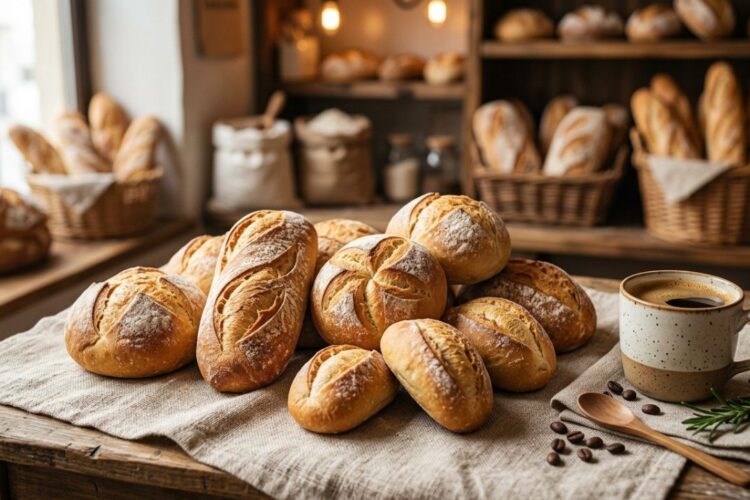
The Italian roll is one of the most loved bread types in kitchens around the world. With its lightly crispy crust and soft, airy inside, it offers the perfect balance of texture and taste. Whether you are making a quick sandwich, serving dinner, or preparing a creative snack, Italian rolls are a reliable and delicious choice. What makes Italian rolls stand out is their simplicity. They are made from basic ingredients, yet they deliver a rich experience that works well with a wide range of foods. From classic deli sandwiches to modern fusion recipes, this bread continues to be a favorite for home cooks and professionals alike. In this guide, you will learn everything about Italian rolls, including their history, ingredients, baking method, and the best ways to use them in everyday meals.
What Is an Italian Roll?
An Italian roll is a small to medium-sized bread roll that is known for its slightly crisp outer layer and soft interior. It is usually round or oval in shape and is designed to hold fillings without falling apart or becoming soggy. Unlike softer bread types, Italian rolls have enough structure to support heavy sandwich fillings. At the same time, they are not too hard, which makes them easy to bite and enjoy.
These rolls are commonly used for.
- Sandwiches and subs
- Breakfast toast
- Side bread with meals
- Quick snacks and sliders
Because of their mild flavor, they pair well with both simple and bold ingredients.
The History Behind Italian Rolls
Italian rolls have their roots in traditional Italian baking. In Italy, bread has always been made using simple ingredients like flour, water, yeast, and salt. These recipes were passed down through generations and became an essential part of daily life. When Italian immigrants moved to countries like the United States, they brought their baking traditions with them. Over time, these traditional breads were adapted to suit local tastes and ingredients. This is how the modern Italian roll became popular, especially in delis and sandwich shops. Today, Italian rolls represent a blend of tradition and convenience. They are widely available and used in both classic and modern recipes.
Ingredients Used in Italian Rolls
One of the reasons Italian rolls are so popular is their simplicity. They do not require complicated ingredients, yet they deliver excellent texture and flavor.
The main ingredients include
- Bread flour for structure and chewiness
- Yeast to help the dough rise
- Water to bring everything together
- Salt to enhance flavor
Some variations may also include olive oil or a small amount of sugar to improve softness and taste. These ingredients work together to create a bread that is light, airy, and perfect for everyday use.

How to Make Italian Rolls at Home
Making Italian rolls at home is easier than many people think. With a little patience and the right steps, you can create bakery-quality rolls in your own kitchen.
Step 1 Prepare the Dough
Combine flour, yeast, salt, and water in a mixing bowl. Stir until a rough dough forms.
Step 2 Knead the Dough
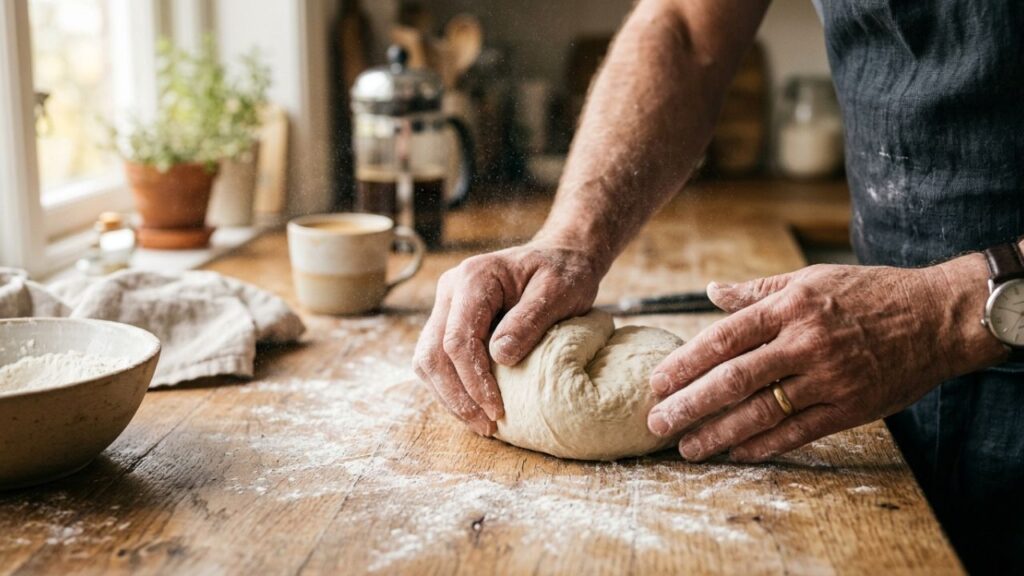
Knead the dough for about 8 to 10 minutes until it becomes smooth and elastic. This step is important for developing the right texture.
Step 3 First Rise
Cover the dough and let it rest for 1 to 2 hours. It should double in size during this time.
Step 4 Shape the Rolls
Divide the dough into equal portions and shape them into oval or round rolls.
Step 5 Second Rise
Place the rolls on a baking tray and let them rise again for about 30 to 45 minutes.
Step 6 Bake the Rolls
Bake in a preheated oven at 220°C for 15 to 20 minutes. Adding a little steam can help create a crisp crust.
Step 7 Cool Before Serving
Allow the rolls to cool before slicing. This helps maintain their structure and texture.
Texture and Flavor That Make Them Special
Italian rolls are loved for their balanced texture. The outside is slightly crispy, while the inside remains soft and airy. This combination makes them perfect for holding fillings without breaking apart. The flavor is mild and slightly yeasty, which allows other ingredients to shine. Unlike heavily flavored breads, Italian rolls do not overpower the dish. This makes them suitable for a wide range of recipes.
Best Ways to Use Italian Rolls in Daily Meals
Italian rolls are incredibly versatile and can be used in many creative ways. Whether you are preparing a simple meal or something more elaborate, they can easily fit into your menu.
Here are some popular uses.
- Making hearty sandwiches with meat, cheese, and vegetables
- Serving as a side with pasta, soups, or salads
- Toasting with butter or garlic for a quick snack
- Using as a base for mini pizzas
- Preparing sliders for parties or gatherings
Their ability to adapt to different flavors makes them a must-have in any kitchen.

Easy Recipes Using Italian Rolls
To make your article more practical and engaging, here are a few simple recipe ideas that readers can try.
Italian Chicken Sandwich
Fill an Italian roll with grilled chicken, fresh lettuce, tomato slices, and a light garlic sauce. This makes a satisfying and balanced meal.
Garlic Butter Rolls
Slice the rolls, spread garlic butter, and toast them until golden. These are perfect as a side for pasta dishes.
Mini Pizza Rolls
Add pizza sauce, cheese, and your favorite toppings to halved rolls. Bake until the cheese melts and becomes bubbly.
Common Mistakes to Avoid
Even though Italian rolls are simple, a few mistakes can affect the final result. Avoid these common issues.
- Using stale rolls that lack freshness
- Adding too much sauce, which can make the bread soggy
- Not baking long enough, resulting in a soft crust
- Skipping proper kneading when making them at home
By avoiding these mistakes, you can get the best results every time.
Store Bought vs Homemade Italian Rolls
Both store-bought and homemade Italian rolls have their benefits. Store-bought rolls are convenient and save time, making them ideal for busy days. On the other hand, homemade rolls offer better freshness and allow you to control the ingredients. If you enjoy baking, making Italian rolls at home can be a rewarding experience. However, store-bought options are still a good choice when you need something quick and reliable.
Why Italian Rolls Fit Modern Food Trends
In today’s fast-paced lifestyle, people prefer foods that are simple, flexible, and satisfying. Italian rolls meet all these needs. They can be used in quick meals, creative recipes, and even healthier options when paired with fresh ingredients. They are also suitable for different diets, including vegetarian and balanced meal plans. This adaptability is one of the main reasons why Italian rolls remain popular today.
Tips for Getting the Best Results
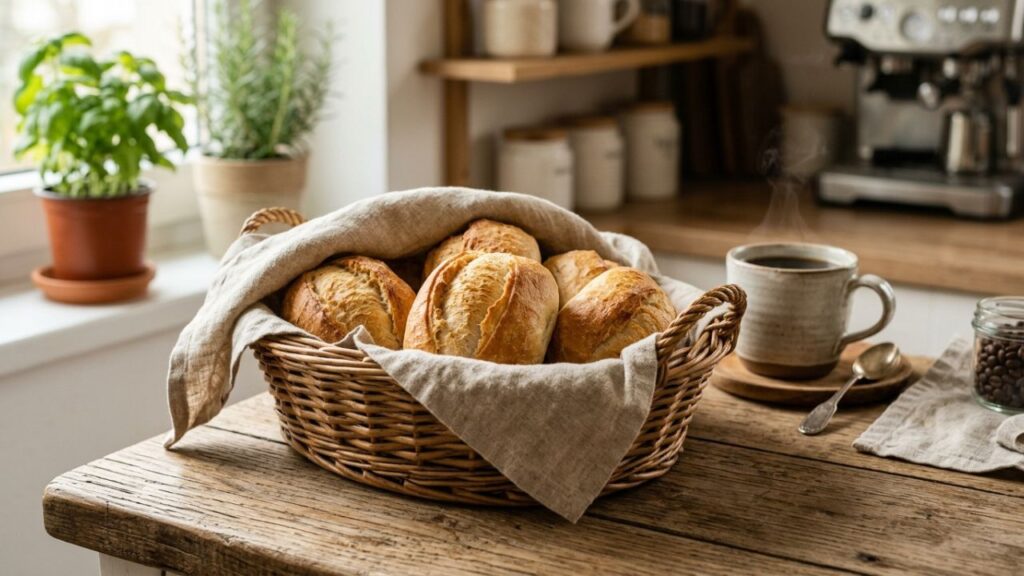
If you want to make the most out of Italian rolls, keep these tips in mind.
- Always use fresh rolls for the best texture
- Lightly toast them for extra crispiness
- Pair with balanced fillings for better flavor
- Store properly to maintain freshness
These small steps can make a big difference in your overall experience.
FAQs
1. What is an Italian roll best used for?
Italian rolls are best used for sandwiches, subs, and sliders because they hold fillings well without becoming soggy.
2. Can I make Italian rolls at home easily?
Yes, they are easy to make with simple ingredients and basic baking steps.
3. How are Italian rolls different from other bread rolls?
Italian rolls have a crisp outer layer and a soft inside, making them more structured than softer rolls.
4. Are Italian rolls healthy?
They can be part of a balanced diet when eaten in moderation and paired with nutritious fillings.
5. How should Italian rolls be stored?
Store them at room temperature in a breathable bag or freeze them for longer storage.
Conclusion
Italian rolls are a simple yet incredibly versatile type of bread that can be used in many different ways. From sandwiches and snacks to creative recipes, they offer a perfect balance of texture and flavor. Their ease of preparation, wide availability, and ability to pair with different ingredients make them a valuable addition to any kitchen. Whether you choose to buy them from a store or bake them at home, Italian rolls are a delicious option that fits perfectly into modern cooking.