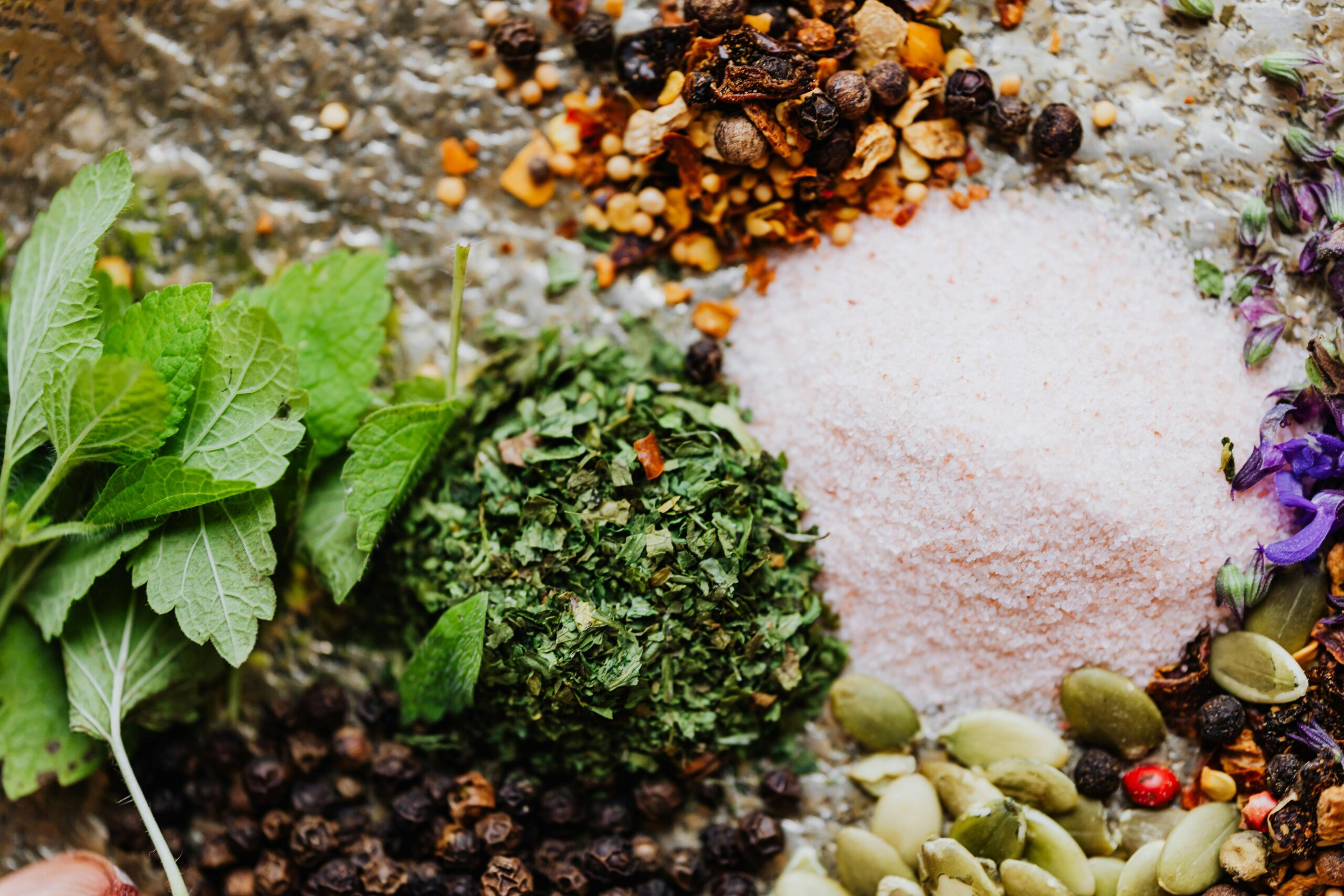
Black cardamom, often overshadowed by its more famous green counterpart, is a spice with a deep, smoky, and earthy flavor. It’s used in various cuisines around the world, particularly in South Asian and Middle Eastern cooking. The distinctive aroma of black cardamom adds complexity to both savory and sweet dishes. Whether you’re making a curry, a stew, or even baking desserts, black can enhance your recipes with their bold and unique flavor. In this article, we’ll dive into the world of black cardamoms, exploring their uses, health benefits, and much more.
What Are Black Cardamoms?
Black comes from the seeds inside the large, dark brown or black pods of the plant Amomum subulatum. They have a much stronger, smokier flavor than green cardamoms, making them a preferred choice in certain regional dishes, particularly in India and Nepal. Unlike green cardamoms, which are used in sweet dishes and drinks, black are mostly used in savory dishes. The pods themselves are large and wrinkled, and the seeds inside are aromatic, with a deep, earthy taste. When ground, black cardamom offers a pungent, smoky flavor that can elevate any dish.
The Flavor Profile of Black Cardamoms
The taste of black cardamoms is distinct and potent. When compared to green cardamoms, black cardamoms have a smoky, somewhat camphor-like aroma with a deep, earthy flavor. The spice is often described as having a “woodsy” note, which makes it an excellent addition to hearty, savory dishes like stews, soups, and curries. The smokiness of black comes from the traditional drying process, where the pods are roasted over an open flame. This process intensifies their flavor, giving them a sharp, almost medicinal aroma that pairs wonderfully with spicy and rich flavors in food.
Black Cardamom Are Used in Cooking
Black is commonly used in many dishes that require bold flavors. In Indian cuisine, they’re an essential part of garam masala, a spice blend that’s used in curries, rice dishes, and meat preparations. Black also pairs well with rice and can be added to biryanis or pilafs for an aromatic touch. The pods are typically added whole, allowing them to infuse the dish with their smoky flavor. As a rule of thumb, you can crush or lightly bruise the pods to release more flavor before cooking them. Just remember to remove them before serving, as the pods are too tough to eat.
Health Benefits of Black Cardamoms
In addition to their culinary uses, black cardamoms are also known for their potential health benefits. They have been used in traditional medicine for centuries due to their medicinal properties. Black are rich in antioxidants, which help fight free radicals in the body, thus supporting overall health. They are also believed to aid in digestion, improve respiratory health, and even reduce the risk of infections. Additionally, black may help in managing blood sugar levels and promoting heart health, making them a valuable addition to a balanced diet.
How to Store Black Cardamoms
Proper storage is key to preserving the intense flavor of black cardamoms. The pods should be kept in an airtight container in a cool, dry place away from direct sunlight. If stored correctly, black can last for up to a year without losing their potency. If you’ve bought them ground, it’s best to use them within a few months for maximum flavor. Whole pods tend to retain their flavor longer than ground spices, so it’s better to buy black in their whole form and grind them as needed.
Black Cardamoms in Traditional Dishes
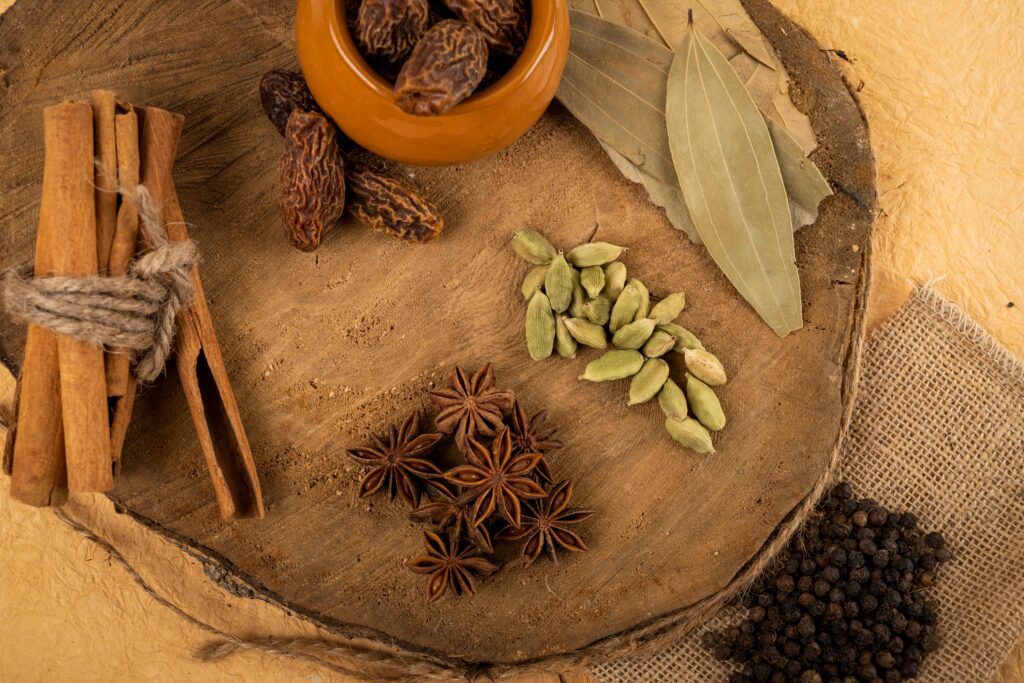
In many traditional Indian, Nepali, and Middle Eastern dishes, black plays a crucial role in flavoring. In Indian cuisine, you’ll often find cardamoms in hearty curries, gravies, and meat dishes like rogan josh or mutton curry. They are also commonly used in rice-based dishes such as biryani or pilaf to add depth and complexity. In Nepalese cuisine, cardamoms are a key ingredient in soups and stews. Meanwhile, Middle Eastern dishes like khubz (flatbread) and moussaka benefit from the spicy, smoky notes of cardamoms.
Black Cardamom Can You Substitute with Other Spices?
If you don’t have black on hand, you can try substituting them with other spices, but be mindful of the flavor differences. A combination of green cardamom and a little smoked paprika or cumin might work as a replacement. However, it’s important to note that no substitute will perfectly replicate the unique smoky flavor that black cardamoms impart. In a pinch, you could also try using a little cinnamon or cloves, but they will add a sweeter profile, so adjust your recipe accordingly.
Black Cardamom Cooking with Tips for Beginners
If you’re new to cooking with black cardamoms, it’s important to start small and experiment with them. Since black cardamoms have such a strong flavor, it’s best to use them sparingly. Begin by adding one or two whole pods to a dish, letting them infuse their flavor as the food cooks. You can always remove them before serving. If you’re making a stew or soup, consider crushing the pods lightly to release more flavor, but again, be sure to remove the pods before eating. Overusing black can easily overpower your dish, so a little goes a long way.
Black Cardamoms and Green Cardamoms
| Feature | Black Cardamoms | Green Cardamoms |
| Flavor | Smoky, earthy, and woodsy with a strong, bold taste | Sweet, floral, and slightly citrusy with a mild flavor |
| Size | Larger pods, usually about 2-3 cm in length | Smaller pods, around 1-2 cm in length |
| Aroma | Pungent and smoky, often described as medicinal | Fresh, sweet, and aromatic with a hint of lemon |
| Primary Uses | Savory dishes like curries, stews, and biryanis | Sweet dishes, teas (like chai), desserts, and baked goods |
| Origin | Mainly grown in the Himalayas and parts of India | Grown in India, Sri Lanka, and Central America |
| Common Forms | Usually sold whole, sometimes ground | Available both whole and ground |
| Culinary Pairings | Pairs well with meat, rice, and hearty dishes | Pairs well with sweets, pastries, and beverages |
| Shelf Life | Longer shelf life, especially when kept whole | Shorter shelf life if ground, best used fresh |
| Health Benefits | Aids digestion, improves respiratory health, and has antioxidant properties | Improves digestion, freshens breath, and boosts immunity |
| Price | Typically less expensive than green cardamoms | Can be more expensive due to its popularity and delicate nature |

Cardamoms Should Try in Your Cooking
If you haven’t yet tried cooking with black cardamoms, now is the perfect time to start. Their bold, smoky flavor adds a new layer to savory dishes, and they are a great way to elevate your cooking game. From curries and soups to stews and biryanis, black cardamoms can transform an ordinary dish into something extraordinary. Whether you’re an experienced cook or just starting to explore the world of spices, black cardamoms are a must-have in your kitchen pantry. Their rich flavor and health benefits make them a spice worth experimenting with.
FAQs
1. What do black cardamoms taste like?
Black cardamoms have a smoky, earthy flavor with hints of woodiness. They’re much stronger and bolder than green cardamoms, making them perfect for savory dishes like curries and stews.
2. Can I use green cardamoms instead of black cardamoms?
While both are from the same family, green cardamoms are sweeter and more floral, while black cardamoms are smoky and bold. If you need to substitute, try adding a bit of smoked paprika or cumin to mimic the flavor.
3. How do I use black cardamoms in cooking?
Black cardamoms are often used whole in curries, soups, rice dishes, and stews. Lightly crush or bruise the pods before adding them to your dish, but remember to remove them before serving since the pods are too tough to eat.
4. Are black cardamoms healthy?
Yes! Black cardamoms are rich in antioxidants and are known to help with digestion, improve respiratory health, and even reduce blood sugar levels. They’re a healthy addition to your meals!
5. How should I store black cardamoms?
Store whole black cardamoms in an airtight container in a cool, dry place. They’ll last longer than ground cardamoms, keeping their flavor for up to a year when stored correctly.