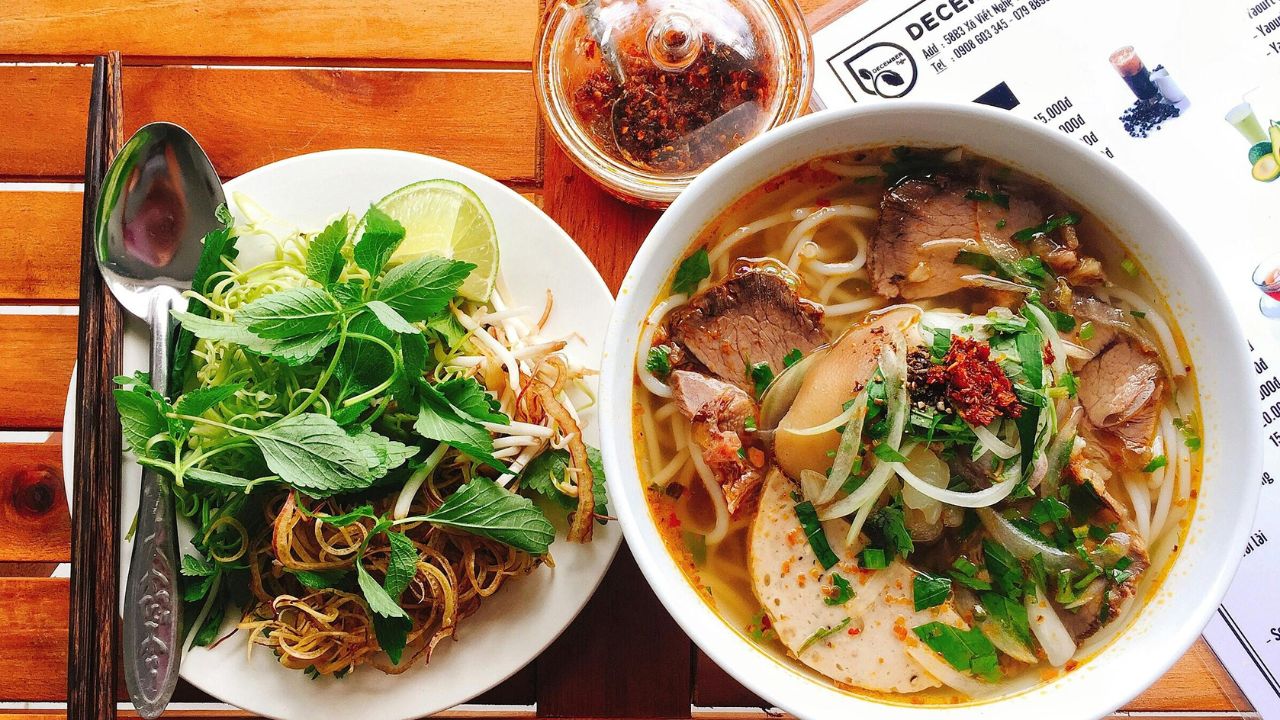
There are few dishes as beloved and iconic as gumbo. This hearty stew is the official state cuisine of Louisiana, and for good reason. It’s a melting pot of flavors and cultures, simmered together in one delicious pot. With its rich history and incredible depth of flavor is more than just a meal—it’s an experience. Whether you’re a seasoned chef or a cooking newbie, this guide will walk you through everything you need to know about making authentic gumbo. Get ready to discover the secrets behind this legendary Southern dish.
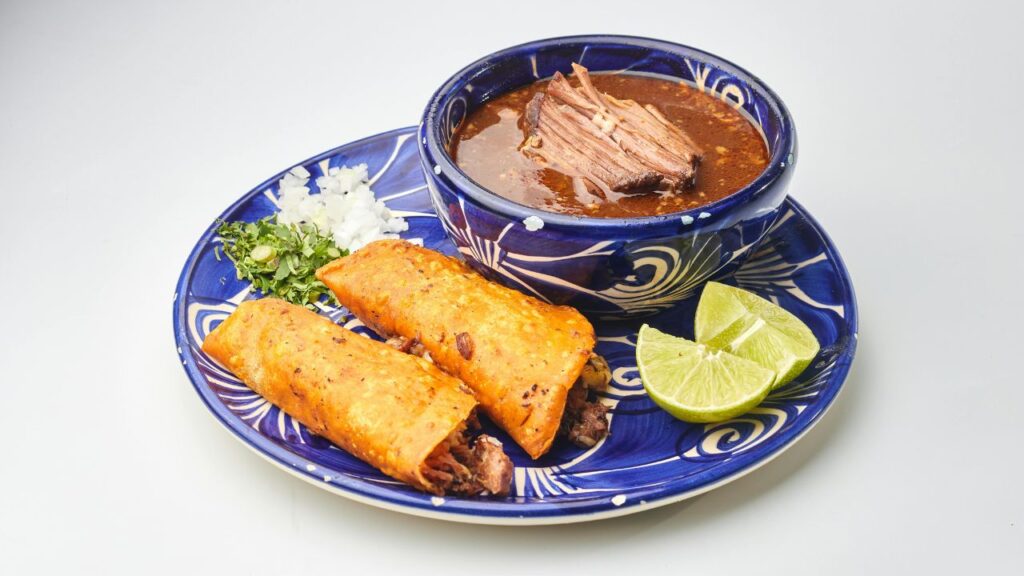
What is Gumbo? A Delicious Introduction
Gumbo is a thick, flavorful stew that originated in Louisiana. It typically contains a strongly-flavored stock, meat or shellfish, a thickener, and what Louisianians call the “Holy Trinity” of vegetables: celery, bell peppers, and onions. Think of it as the ultimate comfort food that warms you from the inside out. The dish reflects the diverse cultural influences of the region, combining West African, French, Spanish, and Native American culinary traditions. Every family has their own version, making a deeply personal dish that tells a story with every spoonful.
Gumbo Rich History Behind This Louisiana Stew
Gumbo’s story begins in 18th century Louisiana, where various cultures came together and shared their cooking traditions. The name “gumbo” comes from the West African word for okra, “ki gombo.” Enslaved Africans brought okra to the region, which became a key ingredient and thickener. The French contributed the roux technique, while Native Americans introduced filé powder (ground sassafras leaves). Spanish settlers added their love of spices and tomatoes. This beautiful cultural fusion created what we now know as gumbo, a true testament to Louisiana’s diverse heritage.
Understanding the Different Types of Gumbo
While there are countless variations, most gumbos fall into a few main categories. Creole from New Orleans, often includes tomatoes and several types of seafood. Cajun gumbo, from rural areas, typically has a darker roux and rarely includes tomatoes. Chicken and sausage is perhaps the most popular version, featuring andouille sausage and chicken. Seafood gumbo showcases shrimp, crab, and sometimes oysters. Then there’s herbes, a green made with various greens, traditionally served during Lent. Each type has its own character and loyal followers.
Gumbo is Essential Vegetables for Flavor
If you want to make authentic gumbo, you need to know about the “Holy Trinity.” This is the essential vegetable base that forms the foundation of flavor. It consists of equal parts chopped celery, green bell pepper, and onion. These three vegetables are sautéed together at the beginning of the cooking process to create a flavorful base. They’re called the Holy Trinity because, just like in religion, these three components work together in perfect harmony. Don’t skip any of them—each brings something special to the party that makes taste like gumbo.
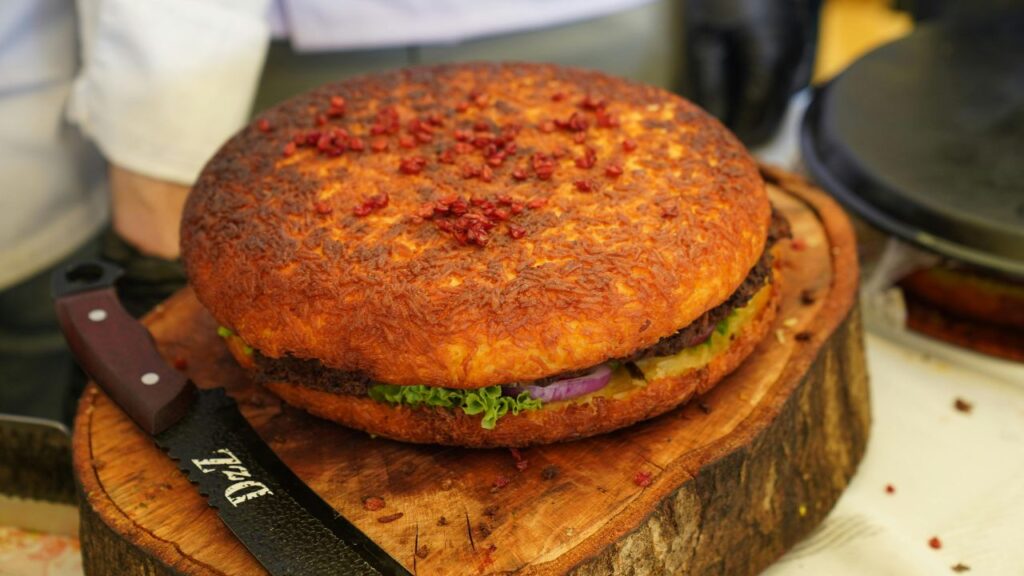
The Heart of Gumbo Making the Perfect Roux
The roux is what gives gumbo its deep, complex flavor and acts as a thickener. It’s made by cooking equal parts flour and fat (usually oil or butter) together until it reaches your desired color. For typically want a dark roux, which means cooking it until it’s the color of peanut butter or even darker. This process can take 20-45 minutes of constant stirring over medium heat. Be patient! A dark roux has a nutty flavor that’s essential to authentic gumbo. Just remember: the darker the roux, the less it thickens, but the more flavor it adds.
Gumbo Your Protein Meat and Seafood Options
It is incredibly versatile when it comes to proteins. The most common choice is chicken and andouille sausage, a spicy smoked sausage that’s a staple in Louisiana cooking. For seafood gumbo, shrimp, crab, and oysters are popular. Some people like to add duck, rabbit, or even alligator! The key is to add proteins at the right time. Sausage can go in early to flavor the broth, while delicate seafood should be added at the very end to prevent overcooking. Don’t be afraid to mix and match is all about using what you have available.
Your New Favorite Comfort Food Awaits
Gumbo might seem intimidating at first, but it’s really about patience and building layers of flavor. Don’t be afraid to try making it yourself—even if your first attempt isn’t perfect, it will still be delicious. Remember that every great cook started with their first pot. The rich aroma filling your kitchen, the satisfaction of that first taste, and the joy of sharing it with loved ones—that’s what gumbo is all about. So grab your biggest pot and get ready to create some magic. Your new favorite comfort food is waiting to be discovered.
Gumbo Traditional Thickeners Okra Powder
Gumbo gets its characteristic thickness from one of two traditional thickeners: okra or filé powder. Okra is a green vegetable that releases a natural thickening agent when cooked. It also adds a distinct flavor and texture. Filé powder, made from dried and ground sassafras leaves, is added at the very end of cooking or even at the table. It has an earthy, root beer-like flavor. Some recipes use both, while others rely solely on the roux for thickness. Purists will tell you not to use all three thickeners at once, as it can make the gumbo too thick.
Gumbo vs. Jambalaya What’s the Difference?
| Feature | Gumbo | Jambalaya |
| Consistency | A thick stew served in a bowl | A rice dish where grains cook in the broth |
| Serving Style | Poured over rice – rice is cooked separately | Rice cooked in with all the ingredients |
| Key Thickener | Dark roux (okra or filé powder sometimes) | No roux – starch from rice thickens it |
| Texture | Soupy and rich with a gravy-like base | Dryer and fluffier like a rice pilaf |
| Best For | Comforting stew on a cold day | Hearty one-pot meal for feeding a crowd |
Why Gumbo is More Than Just a Meal
In Louisiana, gumbo is a symbol of community and celebration. It’s the dish you make for family gatherings, holidays, and special occasions. Making your brings people together—there’s always someone to stir the roux or chop the vegetables. Every pot tells a story of family traditions and shared history. The act of slowly building flavors mirrors the way communities are built: through patience, care, and bringing different elements together. That’s why a bowl feels like a warm hug—it’s made with more than just ingredients; it’s made with heart.
FAQs
1. What’s the difference between Cajun and Creole gumbo?
Creole gumbo often includes tomatoes and seafood, while Cajun typically has a darker roux and rarely uses tomatoes. Both are delicious, but they come from different Louisiana traditions!
2. How long does it take to make gumbo?
Plan for about 2-3 hours from start to finish. The roux alone can take 30-45 minutes of constant stirring, and the gumbo needs at least an hour to simmer and develop its deep flavor.
3. Can I make gumbo without okra?
Absolutely! Many recipes use filé powder (ground sassafras) as a thickener instead, or rely solely on the roux. Okra adds a distinct flavor and texture, but it’s not essential.
4. What’s the “Holy Trinity”?
It’s the essential flavor base of equal parts chopped celery, green bell pepper, and onion – similar to the French mirepoix but with bell peppers instead of carrots.
5. Can I freeze leftover gumbo?
Yes! Gumbo freezes beautifully for up to 3 months. The flavors often taste even better after freezing and reheating. Just thaw overnight in the refrigerator before gently reheating on the stove.