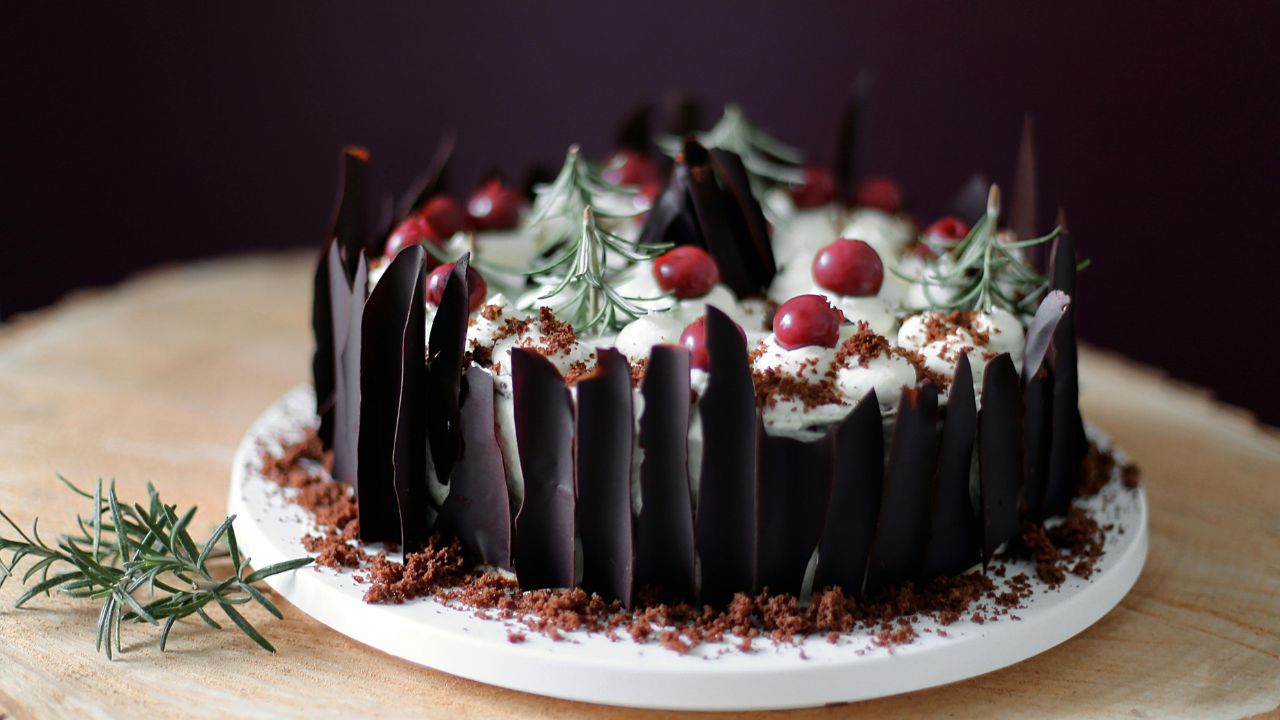
In the world of baking, pastry frosting is the thick, creamy, and spreadable topping that transforms a simple sponge into a professional masterpiece. Unlike thin glazes or runny icings, this type of topping is designed to hold its shape, making it the perfect choice for piping swirls, flowers, and intricate borders. It acts as both a flavor enhancer and a protective barrier, sealing moisture inside your cakes and pastries so they stay fresh for longer periods. When you use a high-quality topping, you are adding a layer of luxury that balances the texture of the bread or cake beneath it. Whether you are working on a batch of cupcakes or a tiered wedding cake, the right mixture provides that signature “bakery look” everyone loves.
Exploring Different Varieties of Cake Toppings
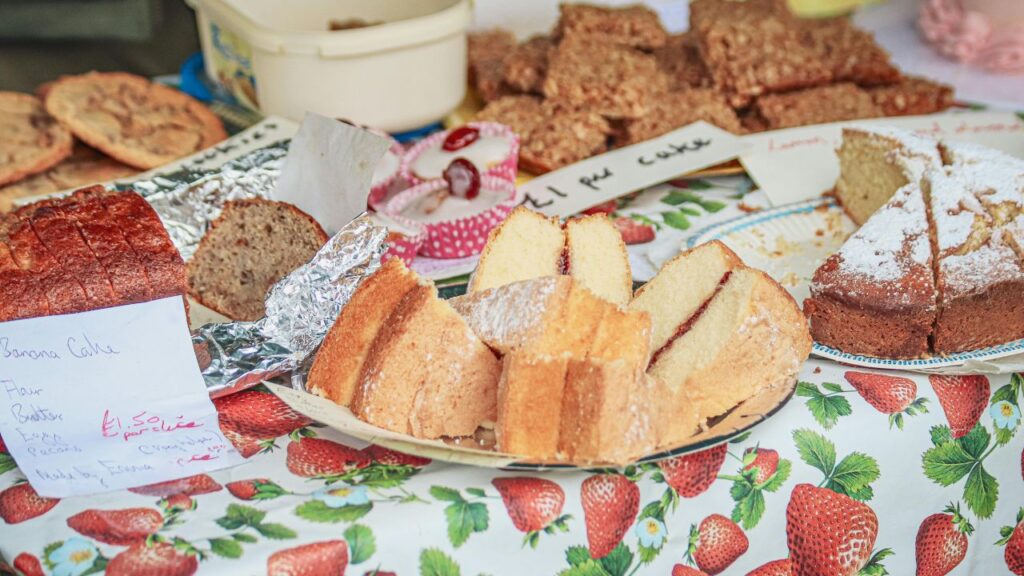
When people talk about pastry frosting, they are usually referring to a wide range of styles, from the simple American buttercream to the sophisticated Swiss meringue. Each variety has a unique texture and sweetness level, allowing you to match the topping to the specific needs of your dessert. For instance, cream cheese varieties are famous for their tangy kick, making them the absolute best partner for red velvet or carrot cakes. On the other hand, ganache offers a rich, chocolatey finish that can be whipped into a fluffy cloud or poured as a glossy liquid. If you are looking for something lighter, whipped cream options provide a delicate airiness that is perfect for summer fruit tarts.
The Secret to Perfect Professional Sweet Spreads
To achieve a professional-grade pastry frosting, the temperature of your ingredients is the most important factor to consider before you even start mixing. Most recipes call for “room temperature” butter, which should be soft enough to indent with your finger but not so soft that it looks oily or melted. If your butter is too cold, your mixture will be lumpy; if it is too hot, the topping will turn into a greasy mess that won’t hold any shape. Another professional tip is to sift your powdered sugar to remove any tiny clumps that could clog your piping tips later on. Taking these small, extra steps ensures that your final product has a silky-smooth mouthfeel and a beautiful, matte or glossy sheen.
Modern Trends in Dessert Decorations for 2026
As we move through 2026, the world of pastry frosting is shifting toward more natural ingredients and global flavor fusions that excite the palate. Many modern bakers are moving away from overly sugary recipes and instead using ingredients like mascarpone, miso caramel, or even yuzu to add complexity. Texture mashups are also incredibly popular right now, where a smooth topping might be paired with crunchy elements like honeycomb or toasted seeds. There is also a massive rise in plant-based options, with aquafaba and coconut cream being used to create vegan versions that taste just as indulgent as the originals. High-contrast colors and minimalist designs are replacing the heavy, over-the-top decorations of the past, favoring a “less is more” aesthetic. Staying updated with these trends allows you to impress your friends and family with treats that look like they came from a high-end boutique.
Essential Tools for Applying Your Creamy Fillings
You don’t need a kitchen full of expensive gadgets to apply pastry frosting like a pro, but having a few key tools will make your life much easier. An offset spatula is perhaps the most useful item, as its unique bend allows you to smooth out flat surfaces without getting your knuckles in the cream. If you want to create beautiful designs, a set of reusable piping bags and a few basic stainless steel tips (like a star or round tip) are essential. A rotating cake turntable is another game-changer, allowing you to spin your cake slowly while you hold your scraper steady for perfectly even sides. For those who want a rustic look, a simple kitchen knife or the back of a spoon can create lovely “swoosh” patterns that feel homey and inviting.
How to Fix Common Baking Topping Mistakes
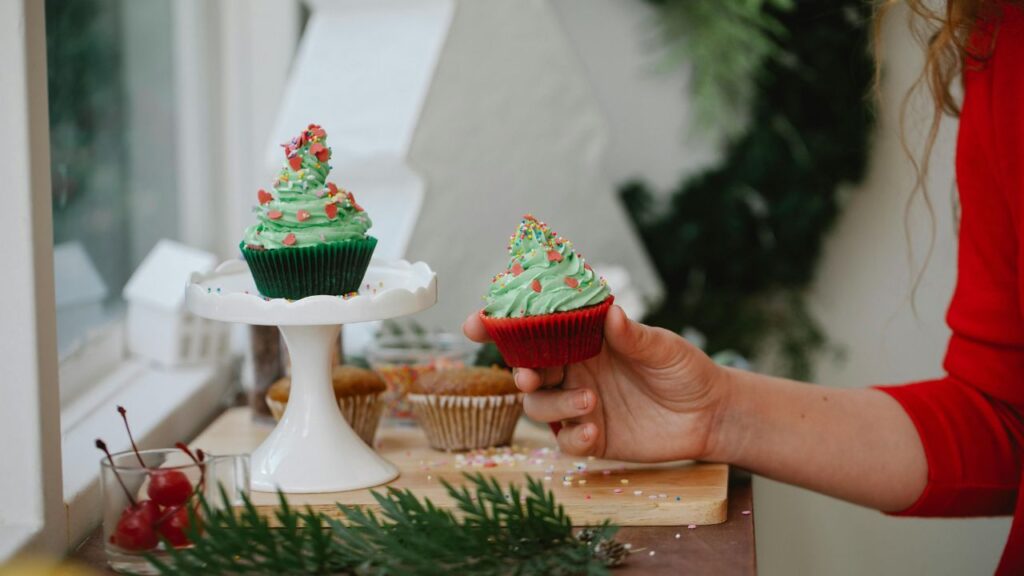
Even experienced bakers run into trouble with their pastry frosting from time to time, but most issues are actually very easy to fix. If your mixture feels too thin or runny, you can usually save it by adding a little more sifted powdered sugar or chilling it in the fridge for fifteen minutes. If you notice the mixture looks “curdled” or separated, it usually means the ingredients were at different temperatures; a few seconds of gentle heat from a hairdryer against the bowl while mixing often brings it back together. Remember that baking is a science, and small adjustments can often solve the most frustrating problems. Don’t be afraid to experiment and adjust as you go to get that perfect, spreadable texture.
Quick Comparison Table Choosing Your Topping
| Topping Type | Best Used For | Flavor Level | Difficulty |
| American Buttercream | Cupcakes & Kid’s Cakes | Very Sweet | Easy |
| Swiss Meringue | Wedding Cakes & Fine Pastry | Buttery & Light | Medium |
| Cream Cheese | Carrot & Red Velvet Cake | Tangy & Rich | Easy |
| Chocolate Ganache | Truffles & Drip Cakes | Deep Chocolate | Medium |
| Whipped Cream | Fruit Tarts & Light Cakes | Fresh & Airy | Easy |
Storage and Freshness Tips for Your Sweet Creations
Once you have perfected your pastry frosting, knowing how to store it correctly is vital for maintaining its taste and safe consumption. Most butter-based toppings can sit at room temperature for a day or two, but anything containing cream cheese or fresh fruit must be kept in the refrigerator. If you have leftovers, you can store them in an airtight container in the fridge for up to a week or in the freezer for up to three months. When you are ready to use frozen frosting again, let it thaw completely in the refrigerator overnight and then beat it again with a mixer to restore its fluffiness. Be sure to keep your frosted treats away from strong-smelling foods like onions or garlic, as the fat in the butter can easily absorb those unwanted odors.
FAQs
1. What is the main difference between frosting and icing?
The main difference is the consistency and the base ingredients used. Pastry frosting is thick, fluffy, and usually made with a fat like butter or cream, making it ideal for spreading and piping. Icing is thinner, glossier, and often made with sugar and water or juice, causing it to set into a hard, crackly layer.
2. Can I make a good frosting without a stand mixer?
Yes, you absolutely can! While a stand mixer makes the process faster and easier on your arms, you can use a hand-held electric mixer or even a sturdy wooden spoon. If you are mixing by hand, just make sure your butter is very soft so you can incorporate the sugar smoothly without leaving any lumps behind.
3. Why is my frosting always too sweet?
American buttercream is naturally very sweet because it relies on a high volume of powdered sugar for stability. To balance this, always add a pinch of fine salt to your recipe. Alternatively, you can try making a Swiss or Italian meringue buttercream, which uses cooked egg whites and far less sugar for a silky, less-sweet finish.
4. How do I get my white frosting to be truly white?
Natural butter has a yellow tint, which can make your pastry frosting look ivory or cream-colored. To get a bright white finish, use a tiny drop of violet food coloring to neutralize the yellow tones, or use clear vanilla extract instead of the dark brown variety. You can also whip the butter for a longer time to incorporate more air, which naturally lightens the color.
5. Is it okay to frost a warm cake?
Never frost a cake that is still warm! Even a slightly warm cake will melt the fat in your pastry frosting, causing it to slide right off or soak into the sponge. Always wait until your layers are completely cool to the touch—or better yet, chill them in the fridge for an hour—before you begin the decorating process.