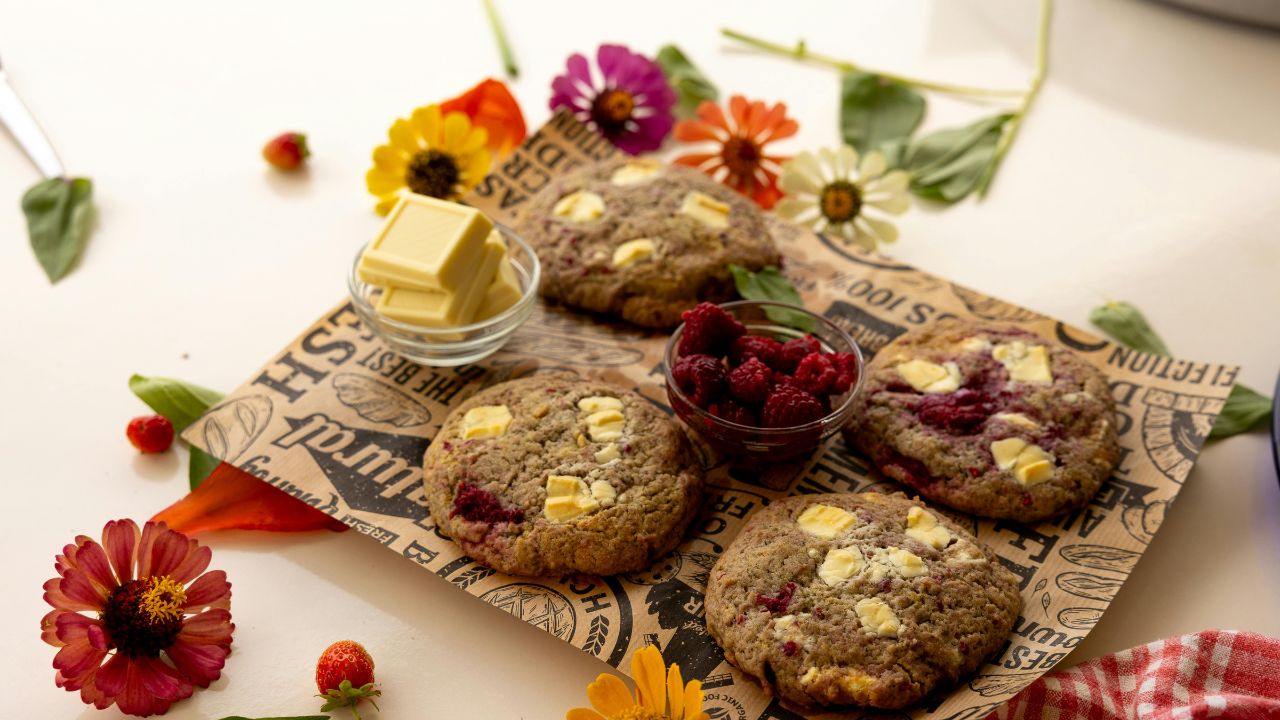
There’s something truly special about the smell of peanut butter cookies baking in the oven. That warm, nutty, and sweet aroma is a happy memory for so many people. This classic treat is a staple in lunchboxes, at bake sales, and on kitchen counters everywhere. But what makes the perfect peanut butter cookie? Is it soft and chewy, or crisp and crumbly? This guide will walk you through everything from the simple history of this beloved cookie to how you can bake your own perfect batch right at home. Get ready to fall in love with this simple dessert all over again.
Peanut Butter Cookies The Simple History
The story of the classic peanut butter cookie is deeply tied to the rise of peanut butter itself in the United States. In the early 1900s, as peanut butter became a common household ingredient, home cooks began experimenting with it in their baking. The first known published recipe for peanut butter biscuits appeared in a Boston cooking school magazine in 1916. Their popularity soared during the Great Depression because the ingredients were affordable and the cookies were filling. The iconic criss-cross pattern made with a fork didn’t become standard until the 1930s, and it’s a tradition that has stuck with us ever since.
Peanut Butter Cookies the Fork Criss-Cross Icon
That distinctive pattern on top of every peanut butter cookie is more than just a pretty design; it serves two very important purposes. First, peanut butter cookie dough is very dense and thick. Pressing down with a fork flattens the dough ball so the cookie can bake evenly instead of staying as a lump. Second, the pattern increases the surface area, which helps the cookie develop a delightful texture as it bakes. It also acts as a quick identifier. Even before you take a bite, you know exactly what kind of cookie you’re about to enjoy. It’s a simple step that has become the universal signature of this treat.
Your Go-To Recipe for Soft & Chewy Cookies
If you love a soft, tender cookie that bends when you break it in half, this method is for you. The secret to a soft peanut butter cookie lies in the ratio of fats and sugars. Using more brown sugar than white sugar adds moisture because brown sugar contains molasses. Don’t over-bake them! They might look a little underdone when you take them out of the oven, but they will firm up perfectly as they cool on the baking sheet. Chilling your dough for at least 30 minutes before baking also prevents them from spreading too much and helps create a wonderfully chewy center.
Peanut Butter Cookies Make Crispy
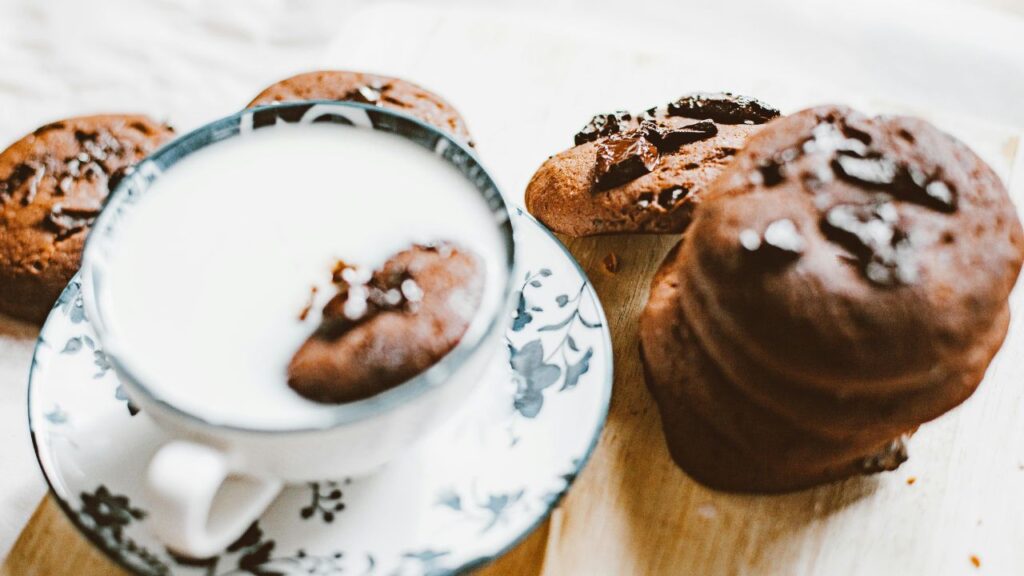
For those who prefer a cookie with a satisfying snap, achieving a crispy peanut butter cookie requires a different approach. Using more white granulated sugar and a little less flour will help the cookie spread out and become crispier during baking. Make sure your butter is properly creamed with the sugars until the mixture is very light and fluffy. Baking them for a minute or two longer than the soft-batch version will give them that golden color and crisp texture. Let them cool completely on the baking sheet to maximize their crunch. They are perfect for dunking right into a cold glass of milk.
The Secret Role of Ingredients in Your Dough
Every ingredient in a peanut butter cookie recipe has a specific job. Peanut butter acts as both a fat and a flour, giving the cookie its rich flavor and dense structure. Butter adds flavor and helps with spreading. Eggs provide structure and moisture. Brown sugar adds chewiness and moisture, while white sugar encourages spreading and crispness. Flour builds the cookie’s framework. Understanding how these components work together allows you to tweak your recipe to get your perfect cookie, whether you want it cakey, chewy, or crisp.
Peanut Butter Cookies Common Baking Mistakes
Even experienced bakers can run into issues. If your homemade peanut butter cookies are spreading too much, your butter was probably too warm. Chill your dough before baking. If they are too dry and crumbly, you may have measured your flour incorrectly or over-mixed the dough. If they are too hard, you likely over-baked them. Remember that cookies continue to cook on the hot baking sheet after you remove them from the oven. Taking them out when the edges are just set and the centers look slightly soft is the key to perfect texture every single time.
Peanut Butter Cookies Easy Variations on Recipe
The basic peanut butter cookie is a perfect canvas for creativity. For a decadent twist, press a chocolate kiss into the center of each warm cookie. You can also stir in chocolate chips, chopped peanuts for extra crunch, or even crispy rice cereal for a different texture. For a “peanut butter cup” version, place a miniature peanut butter cup in the center of the dough ball before baking. A sprinkle of flaky sea salt on top before baking balances the sweetness beautifully. Don’t be afraid to experiment and make the recipe your own.
The Best Ways to Store Your Cookies
To keep your fresh peanut butter cookies tasting their best, proper storage is key. Once completely cooled, store them in an airtight container at room temperature. Placing a piece of bread in the container can help keep soft cookies moist—the cookies will absorb the moisture from the bread. Crispy cookies should be stored in their own container without bread to maintain their crunch. You can also freeze the baked cookies for up to three months, or freeze the dough balls and bake them straight from the freezer whenever a cookie craving strikes.
Answering Your Peanut Butter Cookie Questions
Many people wonder if they can use natural peanut butter. The answer is yes, but be aware that the oil separation can sometimes affect the texture; stir it very well first. For a gluten-free version, a 1-to-1 gluten-free flour blend works wonderfully. If you don’t have a fork for the pattern, the bottom of a glass cup works just as well. And yes, you can make them without eggs by using a flax egg substitute, though the texture will be slightly more crumbly.
Peanut Butter Cookies Soft vs. Crispy
| Feature | Soft & Chewy Peanut Butter Cookies | Crispy Peanut Butter Cookies |
| Key Ingredient | More Brown Sugar – The molasses adds moisture and chew. | More White Sugar – Helps the cookie spread and crisp up. |
| Baking Time | Shorter – Remove when edges are set but centers look soft. | Longer – Bake until golden brown for maximum crunch. |
| Texture | Bendable & Tender – Soft center that melts in your mouth. | Snappy & Firm – Satisfying crunch with every bite. |
| Butter Temperature | Cool – Helps prevent too much spreading. | Properly Creamed – Light and fluffy for a crisp texture. |
| Best For | Milk Dunking – Soft texture absorbs milk perfectly. | Snacking – Great standalone treat with a satisfying snap. |
| Storage Tip | Add Bread – Keeps them moist in an airtight container. | Container Alone – Maintains crunch without extra |
Peanut Butter Cookies Baking as a Simple Joy
Baking a batch of peanut butter cookies is about more than just the final product. It’s about the process—the feeling of the dough in your hands, the smell that fills your kitchen, and the joy of sharing something homemade. It’s a simple, accessible bake that is perfect for beginners and experts alike. So, preheat your oven, grab your jar of peanut butter, and create a little happiness. There’s a reason this cookie has remained a beloved favorite for over a century, and one bite will remind you exactly why.
FAQs
1. Why do you use a fork to make the criss-cross pattern?
The pattern isn’t just for looks! It flattens the dense dough so the cookies bake evenly and gives them their classic, textured top that everyone recognizes.
2. What’s the secret to making soft and chewy cookies?
Use more brown sugar than white sugar, and don’t over-bake them. Taking them out of the oven when the centers still look a little soft is the key to a chewy texture.
3. Can I use natural peanut butter?
Yes, but make sure to stir it very well first so the oil is fully incorporated. The separation in natural peanut butter can sometimes change the cookie’s texture.
4. How can I make my cookies crispy instead of soft?
Use more white sugar and bake them for a minute or two longer. Let them cool completely on the baking sheet to get that perfect crunch.
5. What’s the best way to keep my cookies fresh?
Store them in an airtight container. For soft cookies, add a piece of bread to the container—it works like magic to keep them moist!