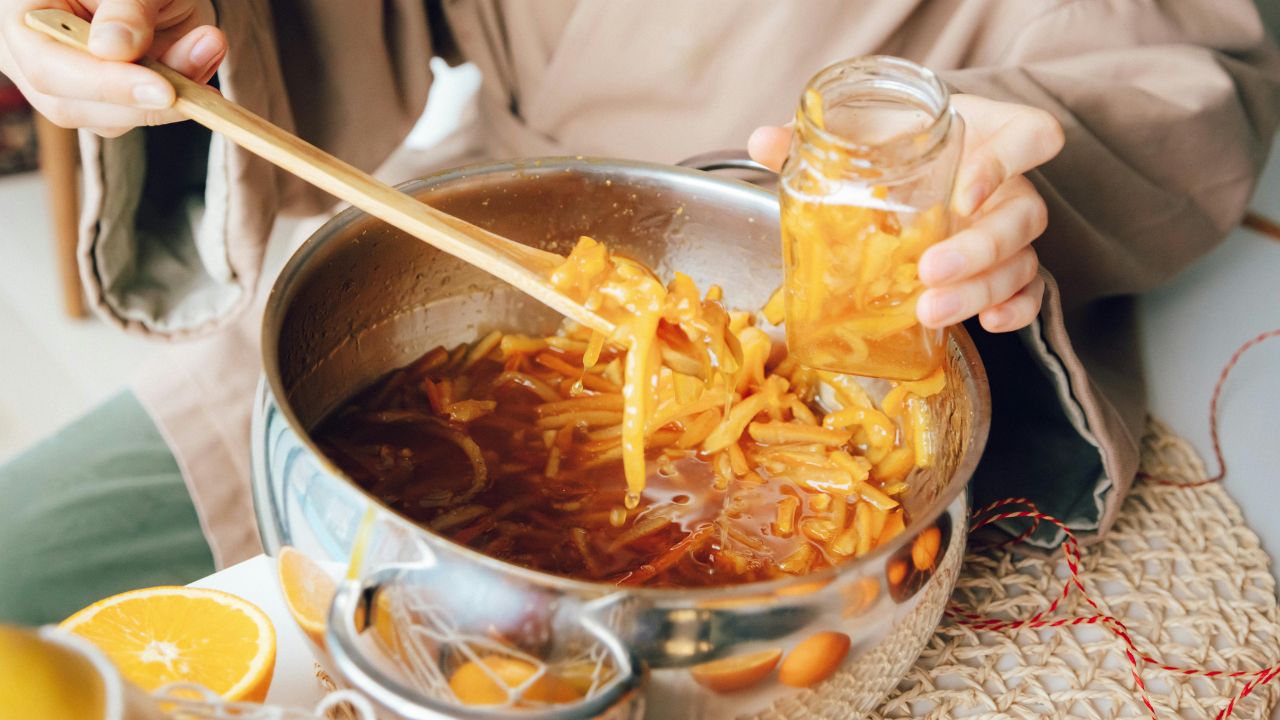
Walking down the jelly aisle can be confusing. With so many jars of sweet fruit spreads, it’s hard to know what to choose. Two of the most common options are preserves vs jam. While they look similar and are often used interchangeably, they are actually quite different. Understanding the distinction can help you pick the perfect spread for your toast, pastry, or recipe. This guide will break down everything you need to know about preserves and jam in simple, easy-to-understand terms. Let’s clear up the confusion once and for all.
Preserves vs Jam Fruit The Chunky Spread
Fruit preserves are all about texture and whole fruit pieces. This spread contains large chunks or whole pieces of fruit suspended in a thick, sweet syrup. The goal of preserves is to maintain the fruit’s structure as much as possible. You’ll often find big slices of strawberries, whole raspberries, or sizable peach chunks in a jar of preserves. Because of these substantial fruit pieces, preserves have a chunky, irregular texture. They’re less spreadable than other options but offer bursts of real fruit flavor in every bite. The name “preserve” comes from the traditional method of preserving whole fruits in sugar.
Preserves vs Jam The Smooth Classic
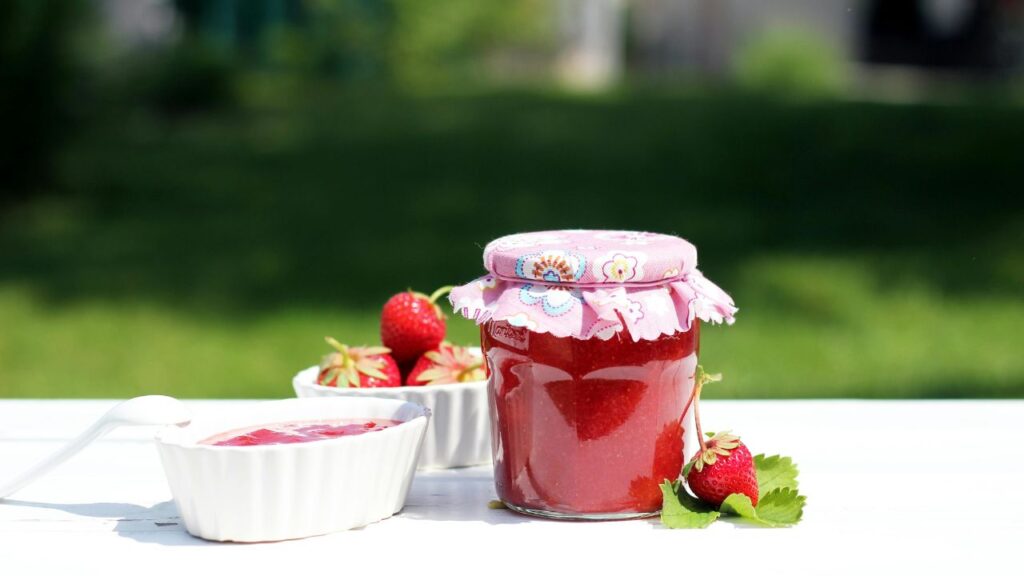
Jam is smoother and more uniform than preserves. It’s made by crushing or puréeing fruit and then cooking it with sugar and pectin. Pectin is a natural fiber found in fruits that helps the mixture gel and thicken. The result is a spreadable consistency with a more even texture throughout. While you might find small pieces of fruit in jam, they are much smaller and softer than those in preserves. Jam spreads easily on bread and is perfect for baking because of its consistent texture. It strikes a nice balance between fruit flavor and spreadability.
The Texture Test Chunky vs. Smooth
The most noticeable difference between these two spreads is texture. Preserves are chunky and substantial, with distinct pieces of fruit that you can see and taste. When you spread preserves, you’ll need to work around larger fruit chunks. Jam, on the other hand, has a smoother, more consistent texture that spreads evenly. It might contain small fruit bits, but they’re soft and well-integrated into the mixture. If you prefer feeling pieces of fruit when you eat, choose preserves. If you want something that spreads smoothly without resistance, jam is your better choice.
Preserves vs Jam Cooking Methods Explained
The production process differs significantly between these two fruit spreads. Preserves are made by cooking whole or large pieces of fruit in sugar syrup until the fruit becomes slightly translucent but maintains its shape. The cooking is gentle to preserve the fruit’s structure. Jam involves crushing the fruit first, which breaks down the cell walls and releases natural pectin. This creates a thicker, more homogeneous mixture when cooked with sugar. Both methods use heat to preserve the fruit, but the initial preparation of the fruit determines the final product’s character and texture.
Preserves vs Jam Key Ingredients in Each Spread
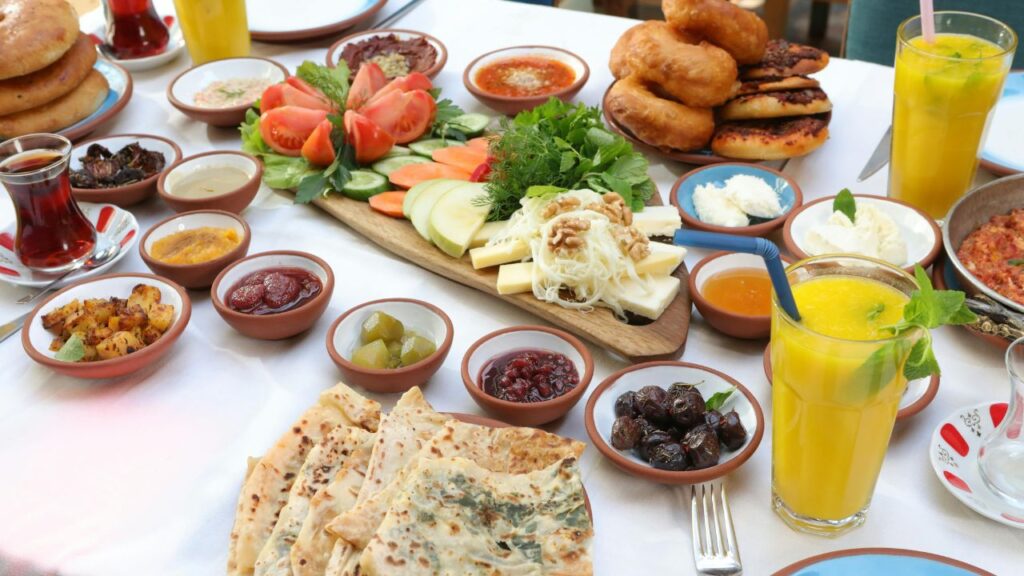
Both preserves and jam share three basic ingredients: fruit, sugar, and sometimes pectin. However, the proportions and preparation vary. Preserves use larger fruit pieces and often less pectin, relying on the fruit’s natural texture and the sugar syrup for preservation. Jam typically uses more crushed fruit and frequently includes added pectin to ensure proper gelling. The sugar content is similar in both, acting as both a sweetener and preservative. Some modern versions of both may use alternative sweeteners or low-sugar pectin for health-conscious consumers.
Preserves vs Jam Using in Your Kitchen
Preserves work wonderfully where you want to highlight distinct fruit pieces. They’re excellent in thumbprint cookies where the fruit center remains visible. Try swirling preserves into plain yogurt or oatmeal for bursts of flavor. They make beautiful glazes for meats – especially apricot or cherry preserves on chicken or pork. Preserves also shine in pastries where their chunkier texture adds interest to tarts and danishes. Because the fruit pieces remain intact, preserves offer both flavor and visual appeal in your culinary creations.
Best Uses for Jam in Cooking and Baking
Jam’s smooth texture makes it incredibly versatile in the kitchen. It spreads perfectly on toast, bagels, and sandwiches without tearing the bread. Jam works well as a filling for layer cakes and cookies because it distributes evenly. You can thin it with a little water or vinegar to make a simple glaze for desserts. Jam also makes excellent swirls in cheesecakes and ice cream. Its consistent texture ensures even distribution in recipes, which is why many bakers prefer jam over preserves for fillings and frostings.
Preserves vs Jam Nutritional Comparison
Nutritionally, preserves and jam are quite similar since both contain significant amounts of sugar for preservation. However, preserves might offer slightly more fiber and nutrients because they contain more intact fruit pieces with skin. Jam’s cooking process breaks down more of the fruit’s cellular structure, potentially reducing some nutrient content. Both are high in natural sugars from the fruit plus added sugar. The healthiest choice is either option with reduced sugar, or simply enjoying either in moderation as part of a balanced diet.
Shelf Life Preserves vs Jam Storage Tips
When unopened, both preserves and jam can last 1-2 years in your pantry thanks to their high sugar content, which acts as a natural preservative. Once opened, store them in the refrigerator where they’ll maintain quality for 6-12 months. Always use clean utensils to prevent contamination. You can tell either has gone bad if you see mold, detect an off smell, or notice fermentation bubbles. For longer storage, both freeze well for up to one year. Transfer to freezer-safe containers, leaving space for expansion.
Jam vs. Preserves Guide to Fruit Spreads
| Feature | Jam | Preserves |
| Texture | Smooth and spreadable with small, soft fruit bits | Chunky and thick with large pieces of whole fruit |
| Fruit Form | Made from crushed or puréed fruit | Contains whole berries or large fruit chunks |
| Best For | Spreading on toast, baking, and smooth fillings | Recipes where fruit should shine like pastries and glazes |
| Visual Appeal | Uniform appearance throughout | Visible fruit pieces suspended in syrup |
| Eating Experience | Consistent texture in every bite | Bursts of real fruit when you eat it |
Popular Fruit Choices for Each Spread
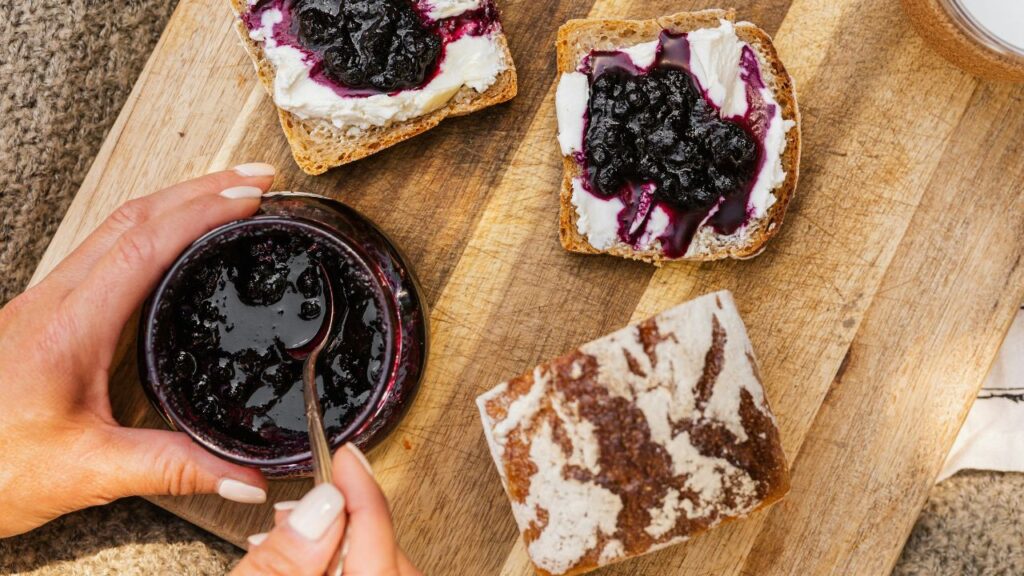
Certain fruits naturally lend themselves better to one style than another. Berries like strawberries, raspberries, and blackberries work well in both forms. Fruits that hold their shape beautifully – like cherries, peaches, apricots, and figs – are classic preserve choices. Softer fruits that break down easily, such as plums and grapes, often make better jams. Citrus fruits are popular in marmalade (a type of preserve with peel). The fruit’s natural texture and pectin content often determine which preparation method works best.
FAQs
1. What’s the main difference between jam and preserves?
Jam is smooth and spreadable, made from crushed fruit. Preserves are chunkier, containing whole pieces or large chunks of fruit in a thick syrup.
2. Which is better for spreading on toast?
Jam is typically better for smooth spreading, while preserves work well if you enjoy biting into pieces of fruit. For delicate breads, jam is usually the safer choice.
3. Can I use jam and preserves interchangeably in recipes?
Yes, but consider the texture. Use jam for even distribution in baked goods, and preserves when you want visible fruit pieces in things like thumbprint cookies or pastry fillings.
4. Which has more fruit pieces?
Preserves definitely have more and larger fruit pieces. If you love chunky texture with bits of real fruit, preserves are what you’re looking for.
5. Are there nutritional differences between them?
They’re quite similar nutritionally, though preserves might contain slightly more fiber from the larger fruit pieces. Both contain similar amounts of sugar for preservation.