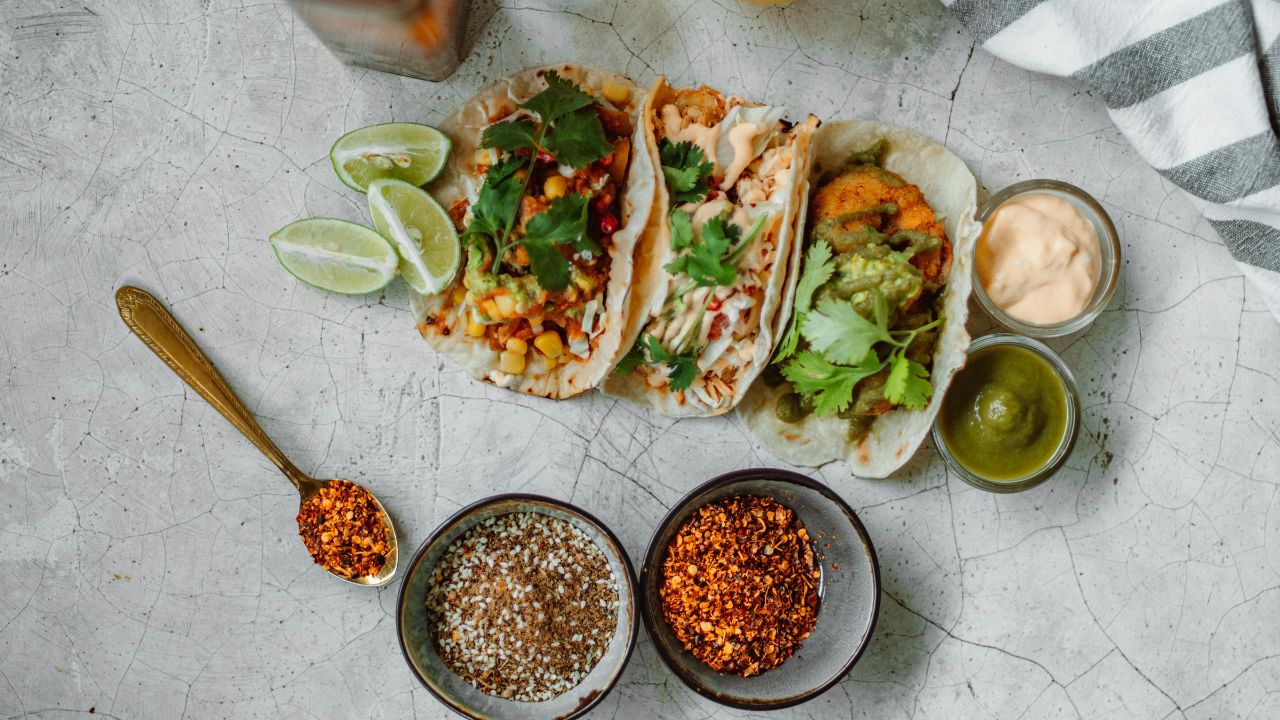
If you have a spice rack, chances are you have a jar. But do you really know what it is and how to use it? This beautiful red powder is more than just a colorful garnish. It’s a versatile, mild spice that can add depth, color, and a subtle sweetness to your cooking without bringing the heat. This guide will explore everything you need to know about sweet paprika, from its origins to its many uses in your kitchen. Let’s unlock the full potential of this underrated spice.
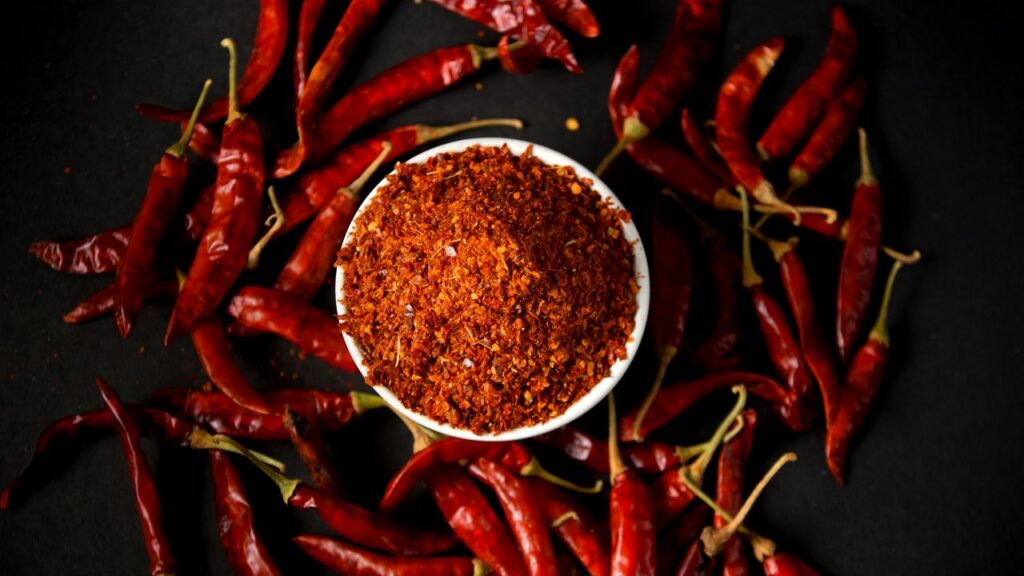
What is Sweet Paprika? A Simple Definition
Sweet paprika is a spice made from dried and ground red bell peppers and other mild chili varieties. Unlike its spicy cousins, it contains little to no capsaicin, the compound that makes chilies hot. Instead, it offers a rich, fruity, and slightly sweet flavor. Its primary role is to add a vibrant red color and a subtle pepper taste to dishes. It’s the most common type of paprika found in grocery stores and is a cornerstone of many cuisines, especially Hungarian, where it is known as “édesnemes.”
Sweet Paprika The Journey from Pepper Powder
The creation of sweet paprika is a fascinating process. It starts with specific varieties of red peppers, which are harvested when fully ripe and deep red in color. These peppers are then dried, either naturally in the sun or through controlled mechanical drying. Once completely dried and brittle, the peppers are stemmed and seeded. The remaining pod pieces are then ground into a fine, vibrant red powder. The quality of the final product depends heavily on the pepper variety and the care taken during the drying and grinding process.
Exploring Global Cuisines with Paprika
It is a true global citizen. Dive into Hungarian cuisine with a classic chicken paprikash, where the spice is the undeniable star. Explore Spanish cuisine by using it in romesco sauce or to season patatas bravas. In Moroccan cooking, it’s part of the complex spice profile in tagines. It’s also used in Austrian and German sausages. Each cuisine uses this versatile spice in a unique way, demonstrating its incredible ability to adapt and enhance a wide variety of dishes from around the world.
Sweet Paprika New Kitchen Staple Awaits
Sweet paprika is an unsung hero in the spice world. It’s the quiet ingredient that adds depth, color, and a touch of sweetness without demanding attention. By understanding its characteristics, learning how to use it properly, and always keeping a fresh supply on hand, you can elevate your everyday cooking with ease. So, take that jar out of the back of your cupboard, give it a shake, and start experimenting. You’ll quickly discover why this vibrant red powder is a beloved staple in kitchens across the globe.
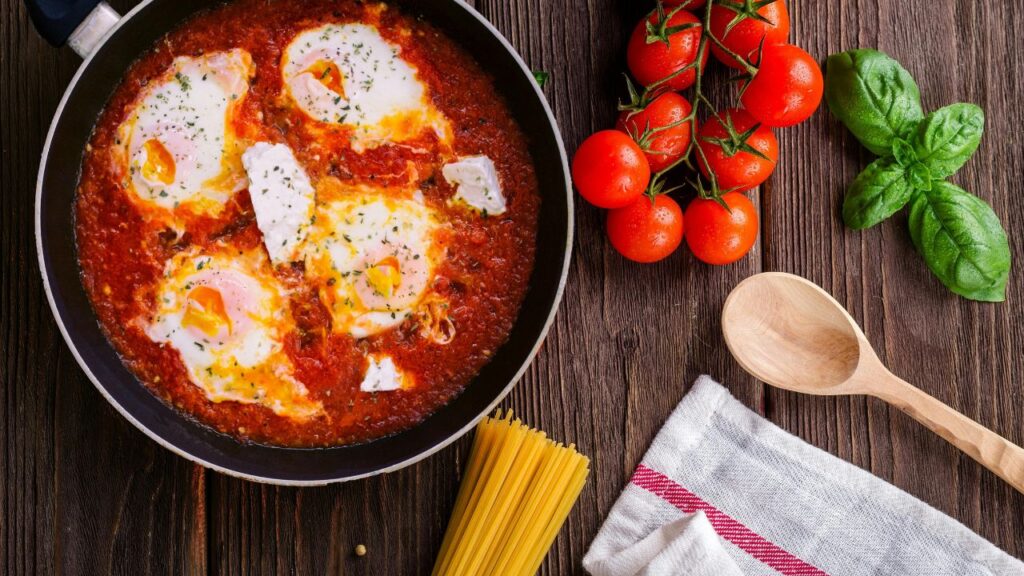
A World of Flavor Regional Paprika Varieties
While “sweet paprika” is a general term, different regions produce distinct types. Hungarian sweet paprika is renowned for its deep red color and rich, complex flavor. Spanish sweet paprika (pimentón dulce) is also widely respected and is a key ingredient in dishes like chorizo. The quality can vary from generic, mass-produced powder to artisanal, carefully crafted versions. Exploring different regional paprikas can be a delightful journey for your taste buds, as each has its own unique character and intensity.
Sweet Paprika Unlocking the Health Benefits
Beyond its flavor and color, paprika is packed with nutritional benefits. It is an excellent source of Vitamin A, vital for good vision, immune function, and skin health. It also contains antioxidants like carotenoids, which help protect your cells from damage. Capsanthin, the compound that gives paprika its brilliant red color, is a powerful antioxidant. Including sweet in your diet is an easy and delicious way to boost your intake of these beneficial compounds, contributing to overall wellness.
Culinary Uses More Than Just a Garnish
While it’s famous for sprinkling on deviled eggs or potato salad, sweet paprika’s uses go far beyond garnish. It is a foundational spice in Hungarian goulash, providing both color and flavor. Stir it into stews, soups, and braises to build a rich, savory base. It adds a beautiful hue and subtle sweetness to salad dressings and marinades. Mix it with other spices for a custom rub for chicken, pork, or roasted vegetables. Don’t be afraid to experiment and let it be a star ingredient, not just a final dusting.
Sweet Paprika The Perfect Spice Blend Partners
Sweet paprika is a team player and shines in many classic spice blends. It’s a key component in barbecue rubs, where its sweetness balances smoky and spicy notes. It’s essential in chili powder, along with cumin, garlic powder, and oregano. You’ll also find it in Creole and Cajun seasonings. At home, you can create a simple and versatile seasoning by mixing garlic powder, onion powder, salt, and pepper. This blend is fantastic on everything from roasted potatoes to grilled chicken.
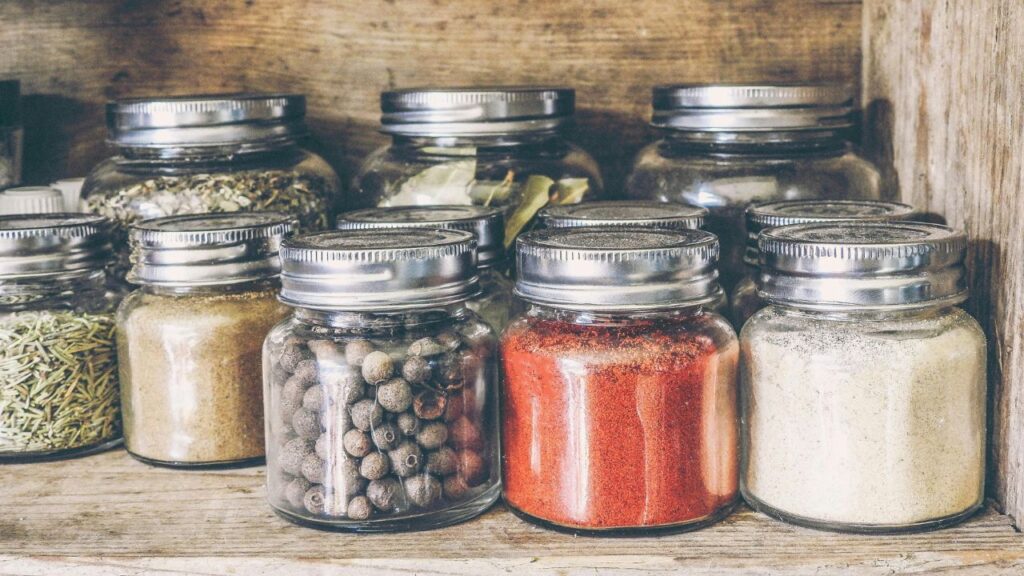
How to Buy and Select Quality Sweet Paprika
To get the best flavor, look for sweet paprika that is a vibrant red color. A dull, brownish hue can indicate that the spice is old and has lost its potency. Whenever possible, buy paprika from a store with high turnover to ensure freshness. If you have the option, purchase from bulk bins or in small quantities. Check the label to ensure you’re getting paprika if that’s what you need. Consider exploring specialty spice shops or online retailers for high-quality, single-origin paprikas.
Sweet vs. Smoked Paprika the Difference?
| Feature | Sweet Paprika | Smoked Paprika |
| Flavor Profile | Mild, sweet, and peppery | Bold, smoky, and earthy |
| Heat Level | Zero heat – completely mild | Varies from mild to moderately spicy |
| Best For | Color and subtle flavor in stews, sauces, and garnishes | Smoky depth in grilled meats, beans, and Spanish dishes |
| Key Dishes | Chicken paprikash, deviled eggs, potato salad | Chorizo, paella, barbecue rubs, roasted potatoes |
| Substitution | Not recommended to substitute for smoked paprika | Can sometimes substitute but will add smoky flavor |
Sweet Paprika Storing Your Maximum Freshness
Like all spices, sweet paprika is sensitive to light, heat, and air, which can cause it to lose its color and flavor quickly. To keep it fresh and potent, store your paprika in a cool, dark place, away from the stove or any direct sunlight. An airtight container is essential to protect it from moisture and air exposure. A spice jar in a cupboard is perfect. Properly stored, sweet paprika can maintain good quality for about six months to a year, but its flavor is best when used within the first few months.
FAQs
1. Is sweet paprika spicy?
Not at all! Sweet paprika is made from mild bell peppers and contains no heat. It adds rich color and a subtle sweet, peppery flavor without any spiciness.
2. What’s the difference between sweet and smoked paprika?
Sweet paprika has a pure, mild pepper flavor, while smoked paprika is made from smoke-dried peppers and has a distinct smoky taste. They’re not always interchangeable in recipes.
3. How long does paprika stay fresh?
For the best flavor, use paprika within 6-12 months. Store it in a cool, dark place in an airtight container to maintain its vibrant color and aroma.
4. Can I use sweet paprika as a garnish?
Absolutely! It’s perfect for adding a pop of color to deviled eggs, potato salad, and creamy soups. But don’t stop there – it’s also great for cooking in sauces and rubs.
5. What’s the best way to cook with sweet paprika?
Add it to oils at the beginning of cooking to release its flavor, but be careful not to burn it. It’s fantastic in stews, rubs, dressings, and sprinkled over roasted vegetables.