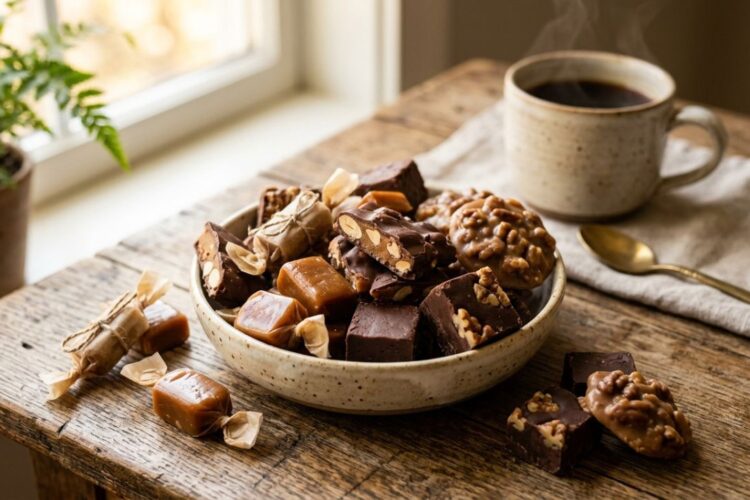
The reason why brown candy tastes so much more complex than white sugar sweets lies in a scientific process callThe reason why brown candy tastes so much more complex than white sugar sweets lies in a scientific process called the Maillard reaction. When sugar is heated to high temperatures along with proteins like butter or milk, it undergoes a chemical change that creates hundreds of new flavor compounds. This is what gives fudge its richness and pralines their toasted, nutty aroma that fills the air at street fairs. In 2026, many candy makers are experimenting with different heat levels to create “blonde” caramels or “deep-char” toffees, offering a spectrum of tastes from sweet to slightly bitter.
Why Caramelization Matters
- Creates deep, rich flavors
- Adds beautiful brown color
- Enhances aroma and taste
- Makes sweets more satisfying
This caramelization process isn’t just about color; it adds a depth that lingers on the tongue, making each bite feel richer and more enjoyable.
Exploring the Richness of Chocolate Varieties
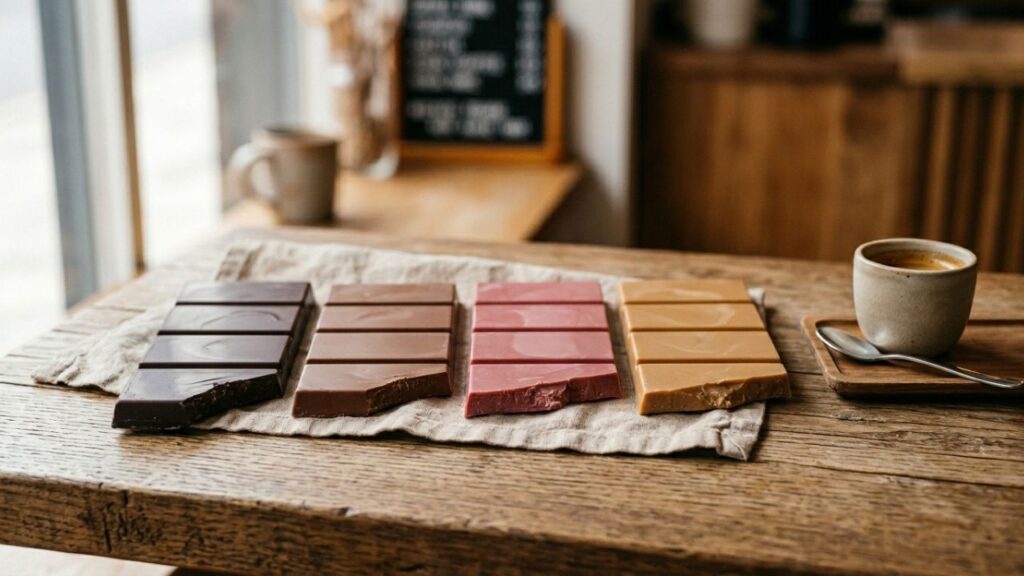
When people think of dark-colored sweets, high-quality chocolate is usually the first thing that comes to mind. Chocolate ranges from the creamy, light tone of milk chocolate to the intense darkness of 90% cocoa bars. In recent years, “single-origin” chocolate has become very popular, where cocoa beans come from one specific region. This gives the chocolate unique flavors such as fruity, earthy, or slightly smoky notes. Modern consumers in 2026 are also enjoying “ruby” and “gold” chocolate, which offer naturally different flavors and colors without artificial additives. These chocolates are rich in antioxidants, making them a slightly better indulgence option.
The Timeless Appeal of Caramel and Toffee
Caramel and toffee are classic brown candies that offer a variety of textures. Caramel is soft, chewy, and smooth, while toffee is hard, crunchy, and brittle. Is made by slowly heating sugar with cream and butter until it turns golden brown. Toffee is cooked longer until it reaches a firm, crunchy stage.
Trending Flavors in 2026
- Salted caramel
- Miso caramel
- Smoked sugar toffee
- Spiced or pepper-infused sweets
These modern twists balance sweetness with savory elements, making them even more enjoyable.
Healthy Alternatives in Darker Sweets
For people who want healthier options, many natural brown sweets are now available. Instead of refined sugar, these use ingredients like coconut sugar, dates, and maple syrup.
Benefits of Natural Sweeteners
- Provide natural energy
- Contain minerals and fiber
- Lower risk of sugar crashes
- Offer deeper, earthy flavors
Date-based snack bars and maple-coated nuts are especially popular choices for quick and healthier snacking.
The Art of Traditional Pralines and Fudge
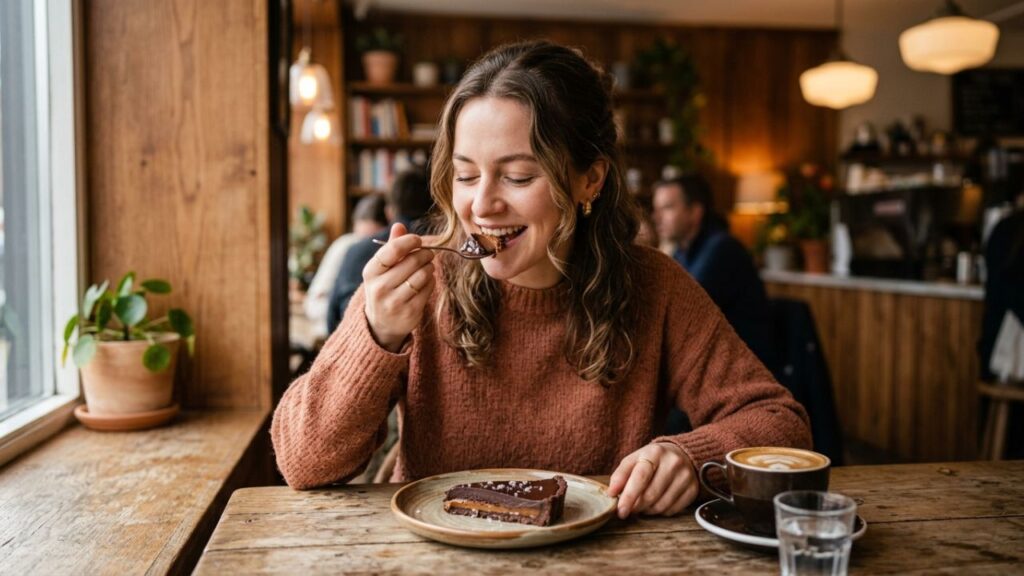
Traditional sweets like fudge and pralines remain favorites because of their rich taste and nostalgic feel. Fudge is known for its smooth, creamy texture, which is created by carefully controlling sugar crystals. Pralines, often associated with Southern-style candy, are made from brown sugar, cream, and pecans, creating a crumbly and nutty texture.
What Makes Them Unique
- Use of molasses-rich brown sugar
- Handmade, small-batch preparation
- Deep, comforting flavor
In 2026, many artisan shops are offering creative flavors like espresso, maple walnut, and sea-salt fudge.
How to Pair Brown Sweets with Drinks
Pairing sweets with drinks can enhance the overall flavor experience. Brown candies often have notes of caramel, vanilla, and roasted nuts, making them ideal for pairing with warm or bold beverages.
Best Pairing Ideas
- Dark chocolate with espresso or red wine
- Toffee with black tea
- Caramel with coffee or warm milk
- Fudge with cold milk
Dessert pairing has become a popular trend, allowing people to explore how different flavors work together.
Storing Your Treats to Maintain Freshness
Proper storage is important to keep your sweets fresh and delicious. Brown candies can lose their texture or flavor if not stored correctly.
Storage Tips
- Keep chocolate in a cool, dry place
- Avoid refrigeration to prevent sugar bloom
- Store caramel and fudge in airtight containers
- Keep toffee away from humidity
Many people now use sealed containers or vacuum bags to extend shelf life.
The Ultimate Brown Candy Comparison Guide
| Candy Type | Main Ingredient | Texture | Taste Profile | Best Pairing |
| Dark Chocolate | Cocoa Solids | Firm & Snappy | Bittersweet & Earthy | Espresso or Red Wine |
| Traditional Toffee | Butter & Sugar | Hard & Brittle | Buttery & Toasted | Hot Tea |
| Creamy Fudge | Milk & Sugar | Soft & Grainy | Rich & Sweet | Cold Milk |
| Soft Caramel | Cream & Butter | Chewy & Elastic | Sweet & Salty | Green Apples |
| Pralines | Brown Sugar & Pecans | Crumbly & Nutty | Deep Molasses | Ice Cream |
| Date Sweets | Dried Fruit | Dense & Sticky | Natural & Fruity | Almond Butter |
Conclusion
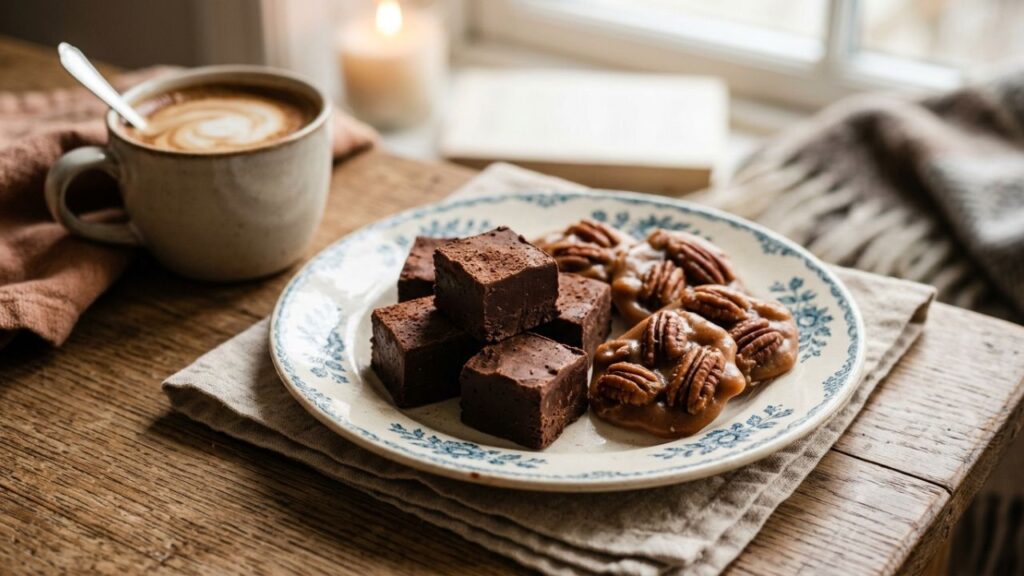
Brown candies are more than just sweet treats — they are a perfect blend of science, tradition, and creativity. From the rich effects of caramelization to the diverse world of chocolate and natural sweeteners, these confections offer a depth of flavor that stands out from ordinary sugary snacks.
Whether you enjoy a soft caramel, a crunchy toffee, or a piece of dark chocolate, each bite carries layers of taste developed through careful preparation and time-tested techniques. In 2026, with the rise of healthier ingredients and innovative flavor combinations, brown sweets continue to evolve while still preserving their nostalgic charm. Choosing these treats is not just about satisfying a craving; it is about experiencing craftsmanship, comfort, and complex flavor in every bite.
FAQs
1. What is the difference between butterscotch and caramel?
While both are popular types of brown candy, the main difference is the sugar used. Caramel is typically made with granulated white sugar, which is heated until it turns amber. Butterscotch, on the other hand, is made with brown sugar and butter, giving it a much deeper, more “toasty” flavor right from the start. Both are delicious, but butterscotch tends to have a more intense, molasses-like kick that many people find more comforting.
2. Is dark chocolate considered a healthy snack?
Yes, in moderation, dark brown candy like high-cocoa chocolate is packed with antioxidants and minerals. In 2026, nutritionists often suggest a small square of 70% dark chocolate as a way to satisfy a sweet craving while also supporting heart health and lowering stress. Unlike bright, sugary candies, dark chocolate has a lower glycemic index, meaning it won’t cause the same dramatic energy crash after you eat it.
3. Why does my toffee sometimes get sticky or soft?
Toffee is very sensitive to humidity, so if it is left out in a damp kitchen, it will absorb moisture from the air and lose its “snap.” To keep your brown candy perfectly crunchy, always store it in an airtight tin or a sealed glass jar in a cool, dry place. If you live in a very humid area, placing a small food-safe silica packet in the container can help keep the toffee fresh and brittle for much longer.
4. Are there sugar-free options for brown sweets?
Absolutely! In 2026, there will be many incredible sugar-free brown candy options that use natural sweeteners like stevia, monk fruit, or erythritol. These sweets often use cocoa butter and fiber-rich ingredients to mimic the rich texture of traditional fudge and caramel. These are perfect for people managing their blood sugar or following a Keto diet who still want to enjoy the deep, caramelized flavors of a classic treat without the actual sugar.
5. What makes “salted” brown candy so popular?
Adding salt to a brown sugar treat like caramel or chocolate is popular because it creates a “flavor contrast” that tricks your brain into wanting more. The salt suppresses the bitterness of the cocoa and enhances the sweetness of the sugar, making the flavor profile much more balanced and complex. This “sweet and savory” combination is a major trend because it satisfies two different cravings at the exact same time, making it incredibly addictive.