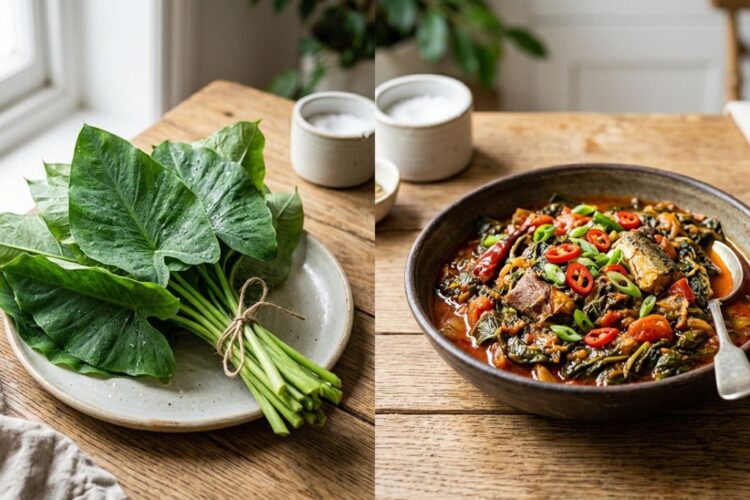
Yam leaves come from the Dioscorea plant, a climbing vine widely grown in tropical regions. These leaves are often overlooked compared to the yam tuber, but they are actually a highly nutritious edible green used in many traditional cuisines around the world. Unlike sweet potato , yam belong to a different plant family, although they may look similar. The leaves are typically heart-shaped, deep green, and become soft and silky when cooked properly. In many cultures, yam are considered a staple vegetable because they are affordable, easy to grow, and packed with nutrients. They are especially common in African, Asian, and Caribbean cooking traditions where leafy greens play an essential role in daily meals.
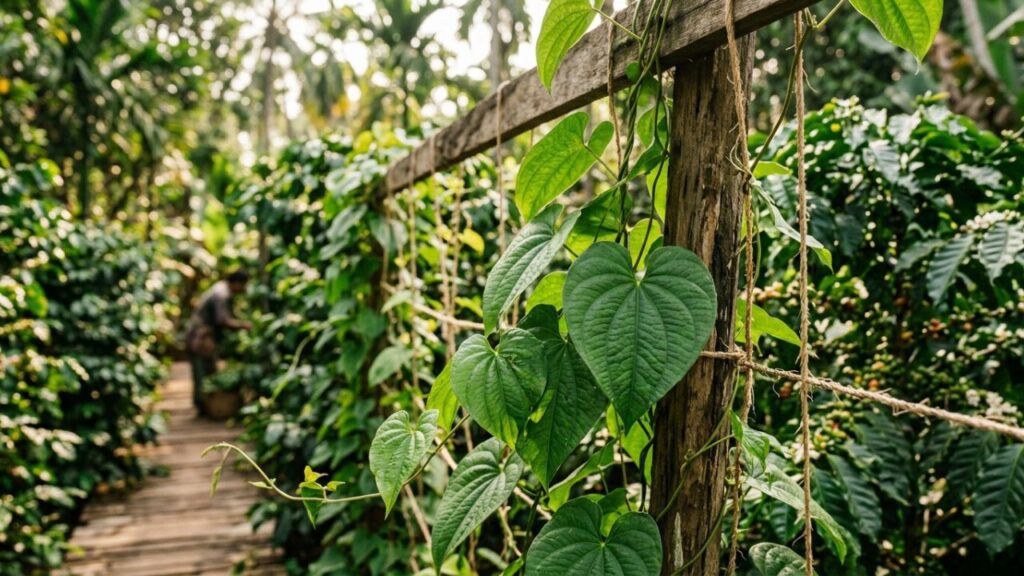
Nutritional Value of Yam Leaves
Yam are known for their dense nutritional composition. They provide a wide range of vitamins and minerals that support overall health and wellness.
- Vitamin A which supports vision and skin health
- Vitamin C which strengthens the immune system
- Iron which supports healthy blood and energy levels
- Calcium which helps maintain strong bones
- Potassium which supports heart and muscle function
- Dietary fiber which improves digestion
In addition to these nutrients, leaves also contain plant-based antioxidants that help protect the body from oxidative stress. These natural compounds make yam a valuable addition to a balanced diet. Compared to many other leafy greens, leaves provide a good balance of fiber and micronutrients with relatively low calories, making them suitable for health-conscious diets.
Health Benefits of Yam
Yam are not only nutritious but also support several aspects of general wellness when included regularly in meals.
Supports Eye and Skin Health
The high vitamin A content helps maintain healthy vision and supports skin repair and glow.
Improves Digestive Function
The fiber in yam supports smoother digestion and helps maintain gut health.
Boosts Natural Energy Levels
Iron plays an important role in red blood cell production which helps reduce fatigue.
Strengthens Immune System
Vitamin C and antioxidants help the body fight daily oxidative stress and support immunity.
Supports Balanced Nutrition
Because they are low in calories but rich in nutrients, yam are ideal for weight-conscious diets. It is important to remember that while yam leaves are nutritious, they should be part of a balanced diet rather than treated as a medical remedy.
Culinary Uses of Yam Leaves
Yam leaves are highly versatile and can be used in a variety of dishes across different cuisines. Their ability to absorb spices and seasonings makes them a favorite in many traditional and modern recipes. Common cooking methods include sautéing, boiling, steaming, and adding to soups or stews. When cooked, the leaves become soft, slightly silky, and mildly earthy in flavor. In West African cuisine, leaves are often cooked in rich soups with palm oil, spices, and proteins. In Asian cooking, they are stir-fried with garlic, ginger, and chili to create quick side dishes. Caribbean cuisine also uses them in stews and mixed vegetable dishes. The flavor of yam is generally mild but slightly earthy with a hint of natural bitterness that reduces significantly when cooked properly.

How to Cook Yam Leaves Properly
Proper preparation is essential to enjoy yam safely and deliciously. Cooking helps reduce bitterness and improves texture.
- Wash the leaves thoroughly in clean water
- Remove thick or tough stems
- Chop into medium-sized pieces
- Cook using boiling, steaming, or sautéing methods
- Season with salt, garlic, onions, or spices for flavor
Blanching the leaves for a short time before cooking can help reduce bitterness and make them softer. Overcooking should be avoided as it can affect texture and color. A simple cooking method is sautéing them in oil with garlic and onions for a quick nutritious side dish.
Simple Recipe Garlic Sautéed Yam
This easy recipe is perfect for beginners who want to try yam leaves for the first time.
- Fresh yam leaves
- Garlic cloves
- Cooking oil
- Salt
- Optional spices like chili flakes or black pepper
- Wash yam leaves thoroughly and remove stems
- Chop the leaves into smaller pieces
- Heat oil in a pan
- Add garlic and sauté until fragrant
- Add yam leaves and cook for a few minutes
- Season with salt and spices
- Serve warm as a side dish
This simple dish highlights the natural flavor of yam while keeping preparation quick and easy.
Safety and Important Cooking Tips
Yam leaves should always be handled and prepared properly before eating.
Key safety tips include:
- Never eat yam leaves raw
- Always cook before consumption
- Wash thoroughly to remove dirt or impurities
- Remove tough stems for better texture
- Use proper cooking methods to reduce bitterness
Like many leafy greens, yam leaves contain natural compounds that are best neutralized through cooking.
How to Buy and Store Yam Leaves
Choosing fresh yam leaves ensures better taste and nutritional value.
- Deep green color without yellow spots
- Fresh, tender texture
- No visible damage or wilting
- Wrap leaves in a damp cloth or paper towel
- Place them in a ventilated bag
- Store in the refrigerator crisper section
- Use within two to three days for best freshness
If you want long-term storage, blanching and freezing is a good option that preserves nutrients and flavor.
Yam Leaves Compared to Other Leafy Greens
Yam leaves are often compared with other popular greens like spinach and kale. Spinach is softer and has a mild taste, making it suitable for raw salads. Kale is tougher and has a stronger flavor that works well when cooked or roasted. Yam leaves fall somewhere in between with a silky texture and mild earthy taste. They are best suited for cooked dishes rather than raw consumption, unlike some other greens.
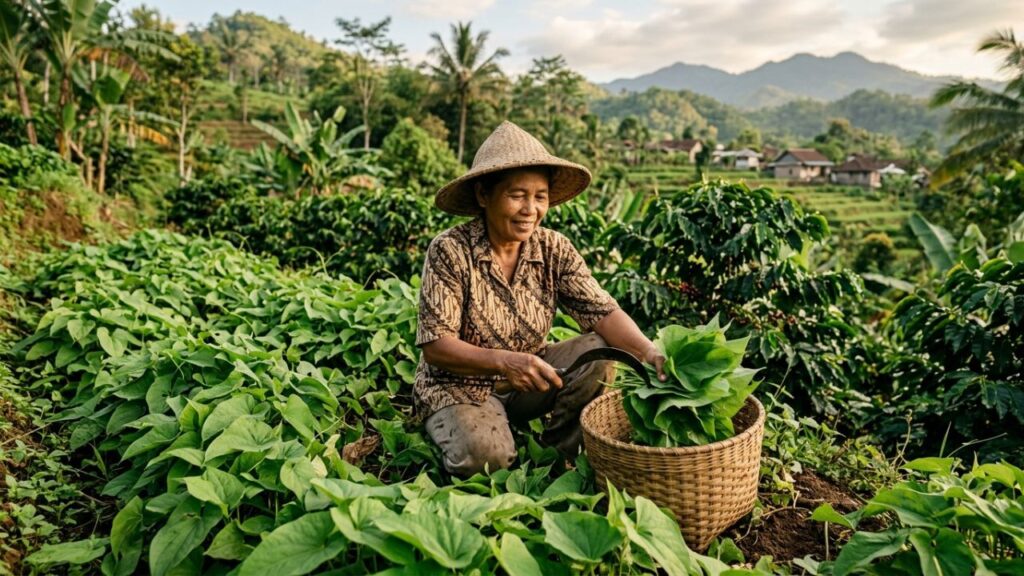
Cultural Importance and Sustainability
Yam leaves have been part of traditional diets for centuries in many regions of the world. They are often considered a resourceful ingredient because the plant continues to grow even after leaves are harvested. This makes yam cultivation highly sustainable since both leaves and tubers can be used at different stages of growth. In rural communities, yam leaves help support food security and provide affordable nutrition. Today, chefs and food enthusiasts are rediscovering yam leaves as part of a global trend toward sustainable and traditional ingredients.
FAQs
1. Are yam leaves safe to eat every day?
Yes, yam leaves are safe when cooked properly and can be eaten regularly as part of a balanced diet.
2. What do yam leaves taste like?
They have a mild earthy flavor with a slight bitterness that reduces after cooking.
3. Can I eat yam leaves raw?
No, yam leaves should always be cooked before eating to avoid digestive discomfort.
4. Are yam leaves and sweet potato leaves the same?
No, they come from different plants but are sometimes used in similar ways in cooking.
5. How do I reduce bitterness in yam leaves?
Blanching or boiling them briefly before cooking helps reduce bitterness significantly.
Final Thoughts
Yam leaves are a highly underrated ingredient that deserve more attention in everyday cooking. They are nutritious, versatile, and deeply rooted in traditional food cultures across the world. What makes them especially valuable is their ability to provide essential nutrients while remaining easy to cook and affordable. Whether added to soups, stir-fries, or simple sautéed dishes, yam leaves can bring both flavor and health benefits to your meals. In a world where people are becoming more conscious of healthy and sustainable eating, yam leaves stand out as a simple yet powerful ingredient that connects tradition with modern nutrition. Adding them to your pantry is not just about trying something new, but about embracing a food that has supported communities for generations.