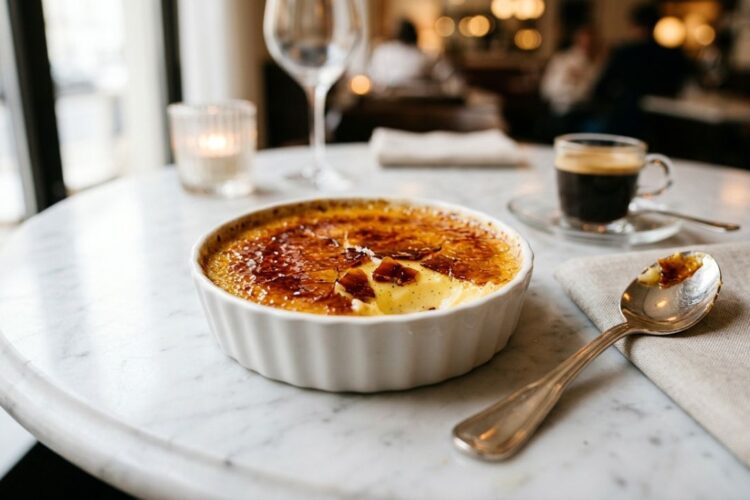
Creme brulee is one of the most elegant and timeless desserts in the world. With its silky smooth custard base and perfectly caramelized sugar crust, it delivers a contrast of textures that feels both luxurious and comforting. Breaking through the glass-like sugar layer with a spoon is not just eating dessert; it is an experience. This classic French dessert has stood the test of time and continues to appear in fine dining restaurants and home kitchens alike. In this complete guide, you will discover its fascinating history, step-by-step recipe, expert techniques, modern flavor variations, and everything you need to master it at home.
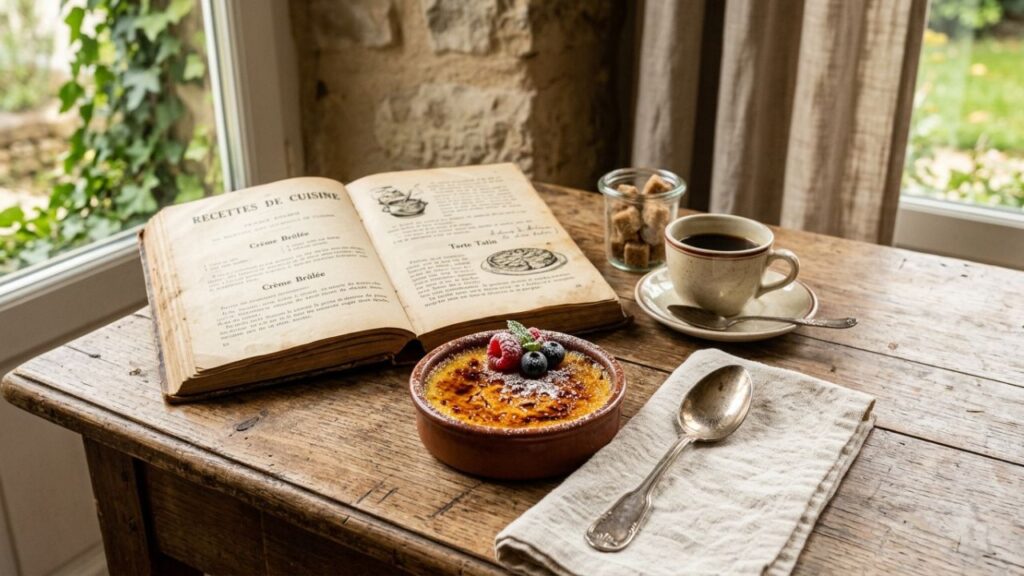
The Royal History of Creme Brulee
The origins of creme brulee are widely debated among France, England, and Spain, each claiming to have created the original version. The earliest known printed recipe appears in a French cookbook written by François Massialot in 1691, which helped establish France as the most recognized source of the modern version. However, England has its own claim with “burnt cream,” famously served at Trinity College, Cambridge. Spain also offers a similar dessert known as Crema Catalana, traditionally flavored with citrus peel and cinnamon instead of vanilla.
Over time, French culinary techniques refined the dessert into what we now recognize as creme brulee: a rich custard topped with a crisp layer of caramelized sugar. The dessert also made its way to America when Thomas Jefferson encountered it in France and later served it at the White House. Today, creme brulee is considered part of shared European culinary heritage, but its most refined and globally recognized version remains French.
What Makes Creme Brulee Special
Creme brulee stands out because of its contrast. The soft, creamy custard underneath pairs beautifully with the hard, caramelized sugar top. It is simple in ingredients but complex in texture and experience. The dessert is also highly versatile. While the classic version uses vanilla, modern chefs experiment with flavors like coffee, chocolate, fruit infusions, and spices. Despite these variations, the core identity of creme brulee remains unchanged.
Ingredients for the Perfect Custard
A great creme brulee starts with high-quality ingredients. The simplicity of the recipe means every component plays an important role in flavor and texture. You will need heavy cream, egg yolks, sugar, vanilla, and a small pinch of salt. The richness of cream combined with egg yolks creates the silky custard base, while vanilla adds warmth and depth. For best results, many chefs prefer using real vanilla beans because they give a more intense aroma and those signature black specks that make the dessert visually appealing. However, vanilla extract or paste also works well for home cooking. A slight pinch of salt is often overlooked, but it enhances sweetness and balances the richness of the cream.
Step-by-Step Creme Brulee Recipe
- Making creme brulee at home is easier than it looks if you follow the correct process.
- First, preheat your oven to a low temperature of around 160°C. This gentle heat ensures the custard cooks evenly without curdling.
- Next, heat the cream with vanilla until it becomes warm and slightly steamy, but do not let it boil. In a separate bowl, whisk egg yolks with sugar until the mixture becomes pale and slightly thick.
- Slowly pour the warm cream into the egg mixture while whisking continuously. This step is important because it prevents the eggs from scrambling. Once combined, strain the mixture through a fine sieve to ensure a smooth texture.
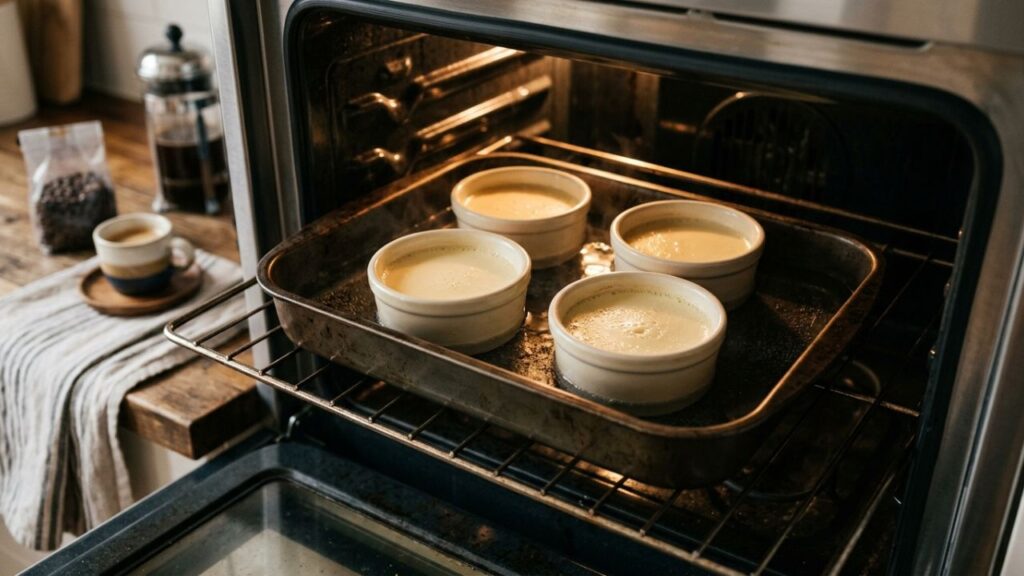
- Pour the custard into ramekins and place them in a baking tray. Fill the tray with hot water halfway up the sides of the ramekins to create a gentle water bath, also known as bain-marie. Bake until the edges are set but the center still has a slight jiggle.
- After baking, let them cool and refrigerate for at least four hours or overnight. Before serving, sprinkle a thin layer of sugar on top and caramelize it using a kitchen torch until golden and crisp.
The Importance of Bain-Marie
The bain-marie technique is essential for perfect creme brulee. It ensures gentle and even cooking by surrounding the ramekins with hot water. This prevents direct heat from curdling the eggs and helps create a smooth, creamy texture.
Without this step, the custard may become grainy or overcooked around the edges while remaining raw in the center. The water bath is what gives professional-quality results.
Creating the Perfect Caramelized Top
The signature feature of creme brulee is its caramelized sugar crust. This thin, glass-like layer is what gives the dessert its name. To achieve the perfect top, sprinkle an even layer of sugar over the chilled custard. Using a kitchen torch, melt the sugar by moving the flame in small circular motions until it turns golden brown. If you do not have a torch, you can use your oven’s broiler, but you must watch carefully as sugar can burn quickly. A well-made topping should crack cleanly when tapped with a spoon, creating the iconic “brulee” effect.
Modern Flavor Variations
While classic vanilla remains the most popular version, modern cuisine has expanded creme brulee into many exciting flavors. Some popular variations include coffee-infused creme brulee for a bold, slightly bitter contrast, citrus-based versions like lemon or orange for freshness, and floral options such as lavender and rose for a delicate aroma. Chocolate creme brulee is also widely loved, offering a richer and more indulgent experience. Seasonal versions like pumpkin spice in autumn or pistachio in Middle Eastern-inspired desserts have also gained popularity. These variations show how flexible the custard base is, making it suitable for creative experimentation.
Common Mistakes to Avoid
Even though creme brulee is simple, small mistakes can affect the final result. One common mistake is overbaking, which leads to a grainy texture instead of a smooth custard. Another issue is skipping the straining step, which can leave unwanted egg bits in the mixture. Using too much sugar on top can also prevent proper caramelization, while not chilling the custard long enough affects its firmness. Finally, overheating the cream can alter the flavor and texture of the dessert. Avoiding these mistakes ensures a perfectly smooth and creamy result every time.
Tools You Need for Best Results
Having the right tools makes the process easier and more consistent. A kitchen torch is ideal for caramelizing sugar evenly. Ramekins are essential for portioning the custard, and shallow ones are preferred because they give a better sugar-to-custard ratio. A fine mesh sieve helps remove impurities for a silky texture, while a baking tray is needed for the water bath.
Nutritional Overview
Creme brulee is a rich dessert, typically containing around 350 to 450 calories per serving. It is high in fat due to cream and egg yolks but also provides small amounts of protein, calcium, and vitamins. Because of its richness, it is best enjoyed as an occasional treat rather than a daily dessert.
Serving and Storage Tips
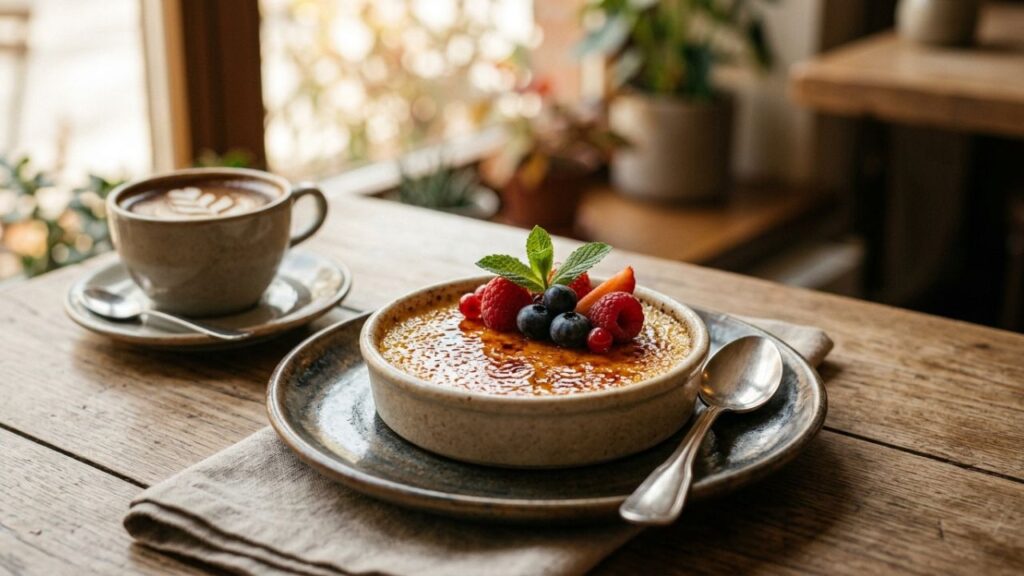
Creme brulee is best served chilled with a freshly caramelized sugar top. It pairs beautifully with fresh berries or a light coffee. It can be prepared up to three days in advance and stored in the refrigerator. However, the sugar topping should always be added just before serving to maintain its crisp texture.
FAQs
1. Can I make creme brulee without a torch?
Yes, you can use an oven broiler. Place the sugared custards under high heat and watch closely to avoid burning.
2. Why is my creme brulee runny?
This usually means it was underbaked. The custard should be slightly jiggly but not liquid in the center.
3. Can I prepare it in advance?
Yes, you can prepare it up to three days ahead. Just add and torch the sugar right before serving.
4. What is the difference between creme brulee and flan?
Creme brulee has a hard caramelized sugar top and richer texture, while flan has a soft caramel sauce and lighter custard.
5. Can I make a dairy-free version?
Yes, coconut cream or plant-based alternatives can be used, though the texture will be slightly different.
Final Thoughts
Creme brulee is more than just a dessert; it is a combination of history, technique, and sensory pleasure. From its silky custard base to its satisfying caramelized crust, every bite delivers elegance and comfort. With the right method and a little patience, you can easily recreate this restaurant-quality dessert at home. Whether you stick to the classic vanilla version or explore modern flavors, creme brulee will always remain a timeless favorite in the world of sweets.