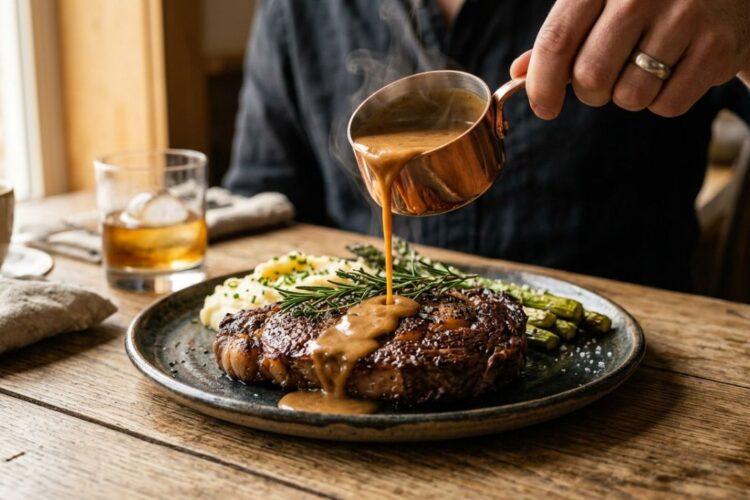
Bourbon cream sauce is a luxurious pan sauce that transforms simple pantry ingredients into something deeply rich, silky, and full of character. It combines the warmth of bourbon, the smoothness of cream, and the savory depth of pan drippings into a balanced sauce that works beautifully with meats, vegetables, pasta, and even some desserts. What makes this sauce stand out is not complexity, but technique. When bourbon is reduced properly, cream is added at the right temperature, and flavors are balanced carefully, the result is a glossy, restaurant-quality sauce that feels both comforting and refined. This guide breaks down everything you need to know to understand, prepare, and master bourbon cream sauce using basic pantry ingredients.
How Bourbon Changes During Cooking
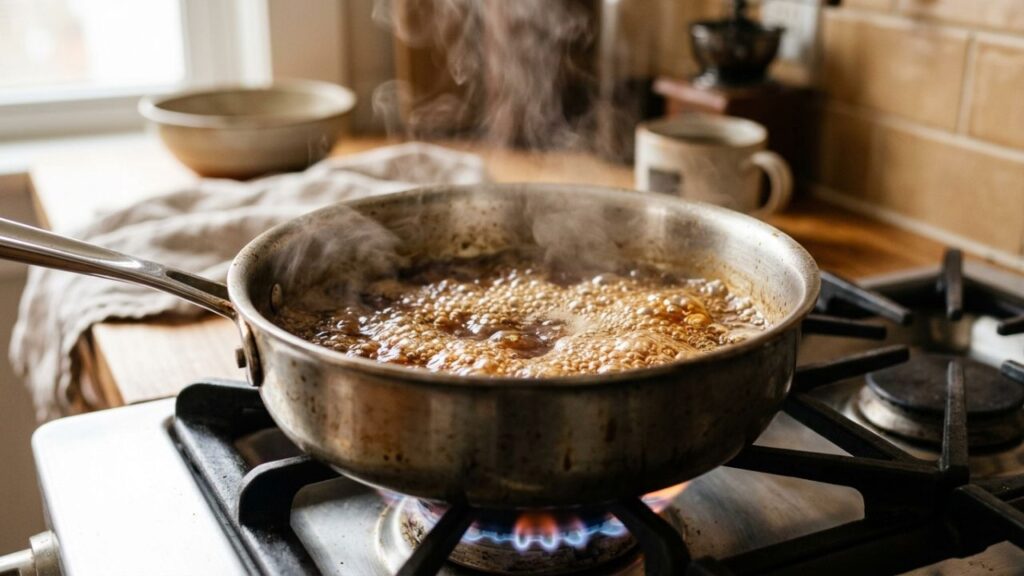
When bourbon is heated, the alcohol begins to evaporate, leaving behind concentrated flavor compounds. This process enhances its natural notes such as vanilla, caramel, toasted oak, and mild spice. As it reduces, the sharp edges soften and the flavor becomes richer and more rounded. This transformation is what makes bourbon suitable for sauces. Instead of tasting alcoholic or harsh, it becomes smooth and aromatic.
Choosing the Right Bourbon for Cooking
The choice of bourbon has a direct impact on the final flavor profile of the sauce. You do not need a premium bottle, but quality does matter. Wheated bourbons tend to create a smoother, slightly sweeter sauce with gentle vanilla notes. High-rye bourbons add more spice and structure, giving the sauce a slightly bolder finish. Small-batch bourbons often provide a more complex profile with layered oak and caramel tones. The most important rule is simple: use a bourbon you would enjoy drinking. Cooking will concentrate its flavor, not mask it.
The Importance of Pan Drippings in Flavor Building
A true bourbon cream sauce begins in the same pan where your main ingredient was cooked. This could be steak, chicken, pork, or even mushrooms.
What is Fond and Why It Matters
After searing food, the bottom of the pan develops browned bits known as fond. These are caramelized proteins and sugars that carry intense savory flavor. They are one of the most important building blocks of a good pan sauce. Without fondness, the sauce may taste flat or overly creamy. With fondness, it gains depth, complexity, and natural umami.
How to Build Flavor from the Pan
Once the cooked food is removed, the pan is still full of flavor potential. This is where the sauce begins to develop. Start by lowering the heat slightly, then add bourbon directly into the pan. As it hits the warm surface, it lifts the fond and dissolves it into the liquid. Stir gently to ensure all browned bits are incorporated. Allow the bourbon to simmer and reduce for a few minutes. This step not only concentrates flavor but also removes most of the harsh alcohol edge, leaving behind a smooth aromatic base. This foundation is what separates a basic sauce from a deeply flavorful one.
Creating a Smooth Cream Emulsion
The next stage of the process is where bourbon cream sauce becomes rich and silky. This happens when cream is added to the reduced bourbon base and properly emulsified.
Why Emulsification is Important
An emulsion is the process of blending fat and liquid into a stable mixture. In this case, cream, butter, and reduced bourbon combine to form a smooth sauce instead of separating into layers. When done correctly, the sauce becomes glossy, thick, and evenly textured.
How to Add Cream Correctly
Temperature control is critical at this stage. The pan should be on low heat before adding cream. Pouring cream too quickly or at high heat can cause it to curdle or break. The best approach is to add cream slowly while whisking continuously. This allows the fat in the cream to blend evenly with the reduced bourbon base. As the sauce gently simmers, it will begin to thicken naturally and develop a smooth consistency.
Signs of a Proper Emulsion
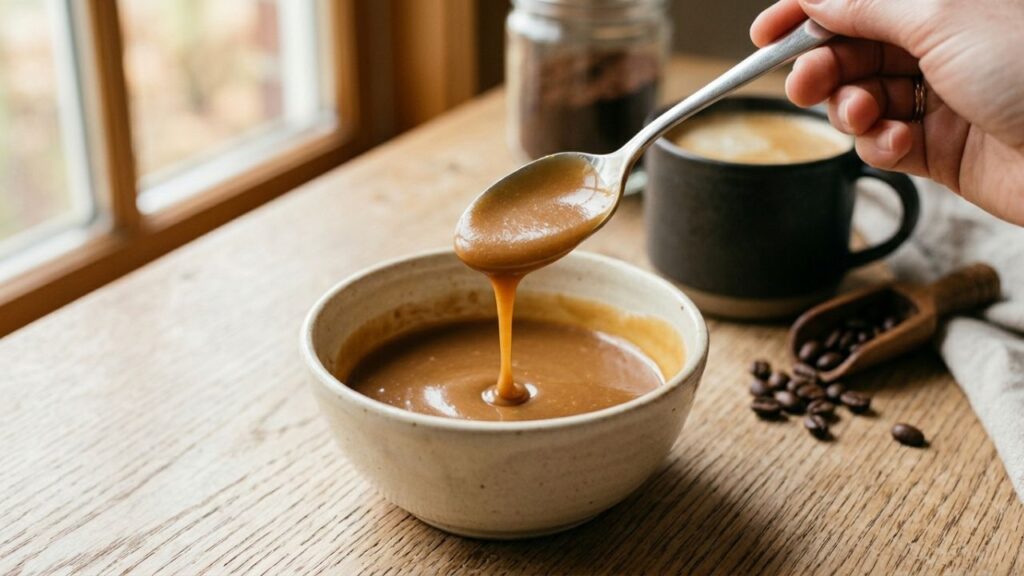
A well-made bourbon cream sauce should coat the back of a spoon evenly without dripping too quickly. It should appear glossy and uniform, with no visible separation of oil or liquid.
Achieving the Perfect Texture and Balance
Texture plays a major role in how the sauce feels when served. It should be rich but not heavy, smooth but not runny.
Adjusting Consistency
If the sauce becomes too thick, a small splash of water or stock can loosen it without diluting flavor. If it is too thin, allowing it to simmer gently for a few more minutes will help it reduce naturally.
Flavor Balance in the Sauce
A successful bourbon cream sauce relies on balance between three key elements: sweetness from bourbon, richness from cream, and savory depth from fond. When these elements are in harmony, the sauce feels complete and well-rounded rather than overpowering.
Flavor Variations and Culinary Uses
One of the strengths of bourbon cream sauce is its adaptability. With small adjustments, it can be customized for different dishes and flavor profiles.
Savory Version for Main Dishes
For meats like steak, chicken, or pork, the sauce benefits from aromatic additions. Garlic, shallots, black pepper, and herbs such as thyme can be added during cooking to enhance depth and savoriness. A small splash of beef or chicken stock can also be included to intensify umami notes.
Sweet Version for Dessert Applications
For a sweeter variation, bourbon cream sauce can be transformed into a dessert topping. Adding brown sugar, honey, vanilla extract, or warm spices such as cinnamon creates a rich caramel-like sauce. This version pairs well with ice cream, pancakes, bread pudding, or roasted fruits.
Modern Fusion Approach
Some modern variations introduce ingredients like soy sauce or miso in small amounts. These ingredients add umami depth and complexity, creating a unique sweet-savory balance that works well in gourmet-style dishes.
Common Mistakes to Avoid
Even though bourbon cream sauce is simple in concept, a few mistakes can affect the final result significantly. One common issue is overheating the cream. High heat can cause it to split and lose its smooth texture. Another mistake is not reducing the bourbon enough, which can leave a harsh alcoholic taste instead of a balanced flavor base. Skipping the fond from the pan is another error that reduces depth and complexity. Finally, boiling the sauce aggressively instead of simmering gently can break the emulsion entirely. Controlling heat and working patiently are the most important factors for success.
Storage and Reheating Guidelines
Bourbon cream sauce can be stored for short-term use, but it requires careful handling.
Proper Storage Method
Once the sauce cools to room temperature, it should be transferred into an airtight glass container and refrigerated. It typically lasts for three to five days while maintaining good quality.
Best Way to Reheat
Reheating should always be done slowly over low heat. Stirring continuously helps maintain texture. If the sauce thickens too much in the fridge, a small amount of cream or water can restore its original consistency. Microwaving is not recommended as it can cause the sauce to separate.
How to Use Bourbon Cream Sauce in Everyday Cooking
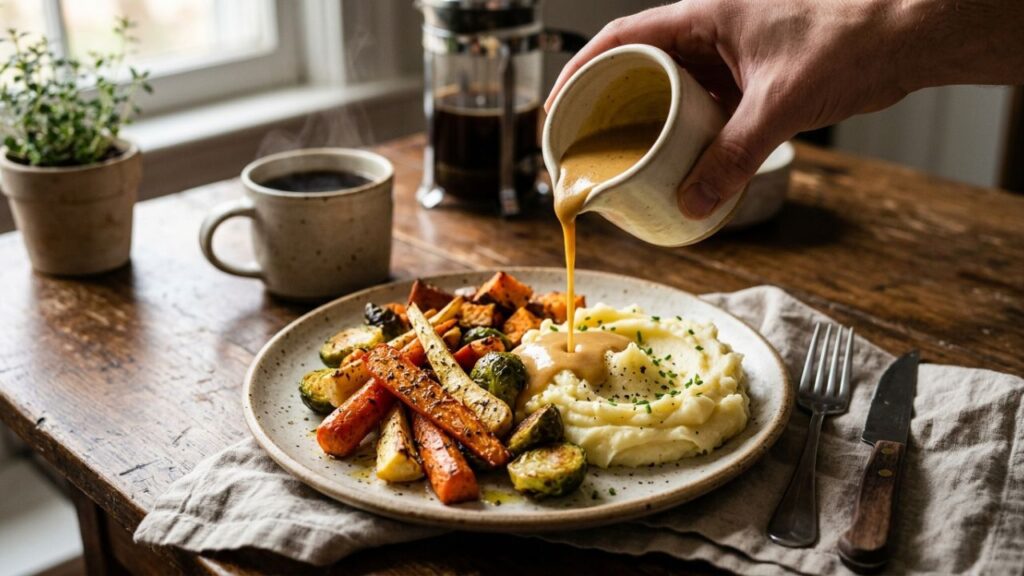
Bourbon cream sauce is extremely versatile and can elevate both simple and complex dishes. It works particularly well with grilled steak, roasted chicken, pork chops, and sautéed mushrooms. It also pairs beautifully with pasta, especially creamy or mushroom-based dishes. In addition to main courses, it can be used creatively as a drizzle over roasted vegetables, mashed potatoes, or even crispy fries. Its adaptability makes it a valuable sauce to keep in any home cook’s repertoire.
Final Thoughts
Bourbon cream sauce stands out not because it’s complicated, but because it rewards careful technique and attention to detail. When you understand how bourbon reduces, how fond builds depth, and how cream forms a stable emulsion, you gain full control over both flavor and texture. The result is a sauce that feels refined yet approachable—something that can elevate everyday meals into something memorable. What makes this sauce truly special is its balance. The subtle sweetness and warmth of bourbon, the richness of cream, and the savory intensity from pan drippings come together in a way that feels complete rather than overwhelming. Small adjustments in ingredients or method can shift the sauce from savory to sweet, or from classic to modern, making it incredibly versatile in the kitchen.
FAQs
1. Does bourbon cream sauce contain alcohol after cooking?
Most alcohol evaporates during cooking, but a small amount may remain depending on cooking time and heat level.
2. Can I make bourbon cream sauce without alcohol?
Yes, you can substitute bourbon with stock or non-alcoholic alternatives, but the flavor will be less complex and aromatic.
3. Why did my sauce curdle?
Curdling usually happens when cream is added to a very hot pan or when the sauce is boiled instead of simmered.
4. Can bourbon cream sauce be frozen?
Freezing is not recommended because cream-based sauces often separate when thawed.
5. What dishes pair best with this sauce?
It pairs best with steak, chicken, pork, mushrooms, pasta, and roasted vegetables due to its rich and balanced flavor profile.