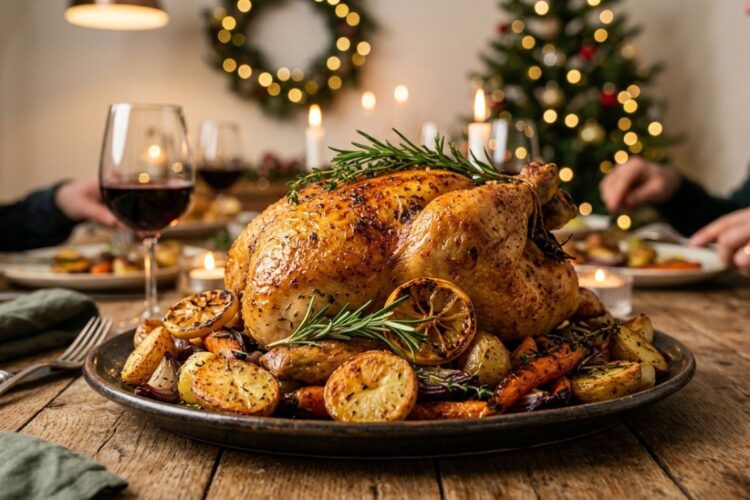
A roast capon recipe has earned its place as one of the most luxurious and rewarding main dishes for holiday dinners. It sits between a chicken and a turkey in size, but what truly sets it apart is its rich flavor, tender texture, and naturally juicy meat. Many home cooks who try it for the first time are surprised by how effortless it is to achieve restaurant-quality results with such a bird. Unlike standard poultry, capon is specially raised to develop more fat within the muscle, which keeps the meat moist during roasting. This gives it a buttery softness that often leads food lovers to call it the “wagyu of poultry.” When prepared correctly, the skin turns golden and crisp while the inside stays tender and full of flavor. For festive occasions where you want something impressive but not overly complicated, roast capon is becoming an increasingly popular choice among modern home cooks.
What Makes Capon Different from Regular Chicken?
Capon is not just a larger chicken — it is a different culinary experience altogether. The bird is typically neutered at a young age, which allows it to grow more slowly and develop a higher fat content. This natural marbling is what gives capon its signature richness. Regular chicken can sometimes turn dry if slightly overcooked, but capon is much more forgiving. The fat melts during roasting and continuously bastes the meat from within, keeping it juicy throughout the cooking process. The flavor is also deeper, more buttery, and noticeably more refined compared to standard poultry. It also fits perfectly in the “holiday centerpiece” category because it is large enough to serve a family but still manageable in a home oven.
How to Choose and Prepare the Perfect Capon
Selecting a good capon is the first step toward a successful roast. Ideally, you should look for a bird weighing between 6 to 10 pounds. This size cooks evenly and fits in most standard roasting pans without difficulty. Freshness matters, so it is always better to buy from a trusted butcher or specialty poultry supplier. Since capon is not as widely available as chicken, it is often sold seasonally, especially around holidays. Before cooking, allow the bird to rest at room temperature for about an hour. This helps it cook more evenly later in the oven. One of the most important steps — often ignored — is drying the skin completely using paper towels. Moisture on the skin prevents crisping, so this step makes a big difference in the final texture. A light seasoning of salt, pepper, and butter under the skin enhances flavor without overpowering the natural richness of the meat.
What Is the Best Way to Roast Capon for Juicy Meat?
The best method for roasting capon is slow and steady cooking. High heat may work for smaller chickens, but capon benefits from a gentler approach that allows fat to render slowly. Preheat your oven to 325°F (160°C). Place the capon on a roasting rack inside a deep pan so heat can circulate evenly. This prevents the bottom from becoming soggy and helps the skin crisp all around. A general guideline is to cook the bird for about 20 to 25 minutes per pound, but time alone should never be your only indicator. Always use a meat thermometer to check doneness. The internal temperature should reach 165°F (74°C) in the thickest part of the thigh. Once done, let the bird rest before carving. This step allows the juices to redistribute, ensuring every slice is moist and flavorful.
Should You Stuff a Capon Before Roasting?
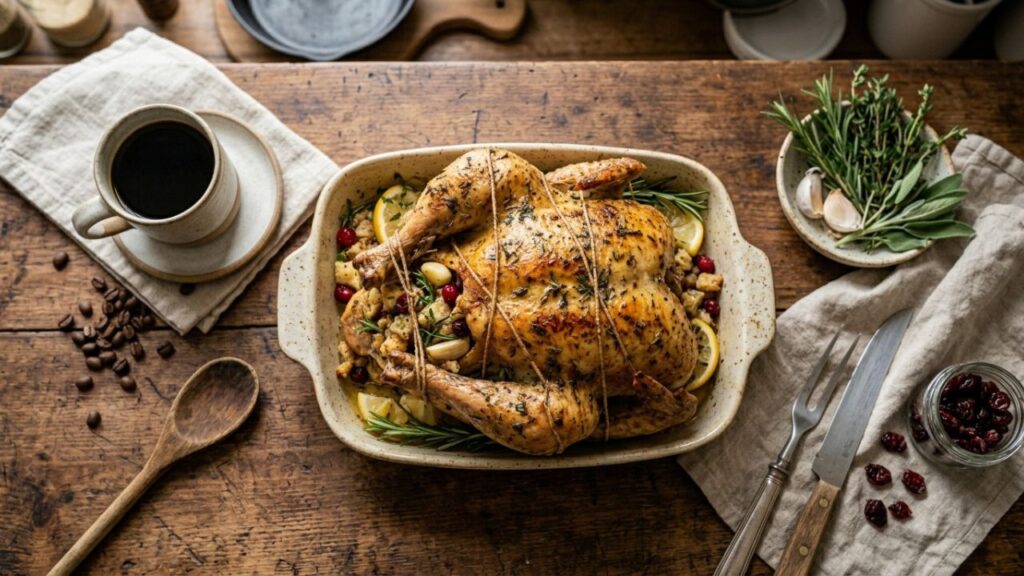
Stuffing is optional, but it adds incredible aroma and depth to the dish. The cavity of a capon can hold a variety of ingredients that infuse flavor during cooking. Classic combinations include herbs like rosemary, thyme, and sage along with lemon and garlic. These give a traditional, aromatic roast flavor that pairs beautifully with gravy. For something more festive, dried cranberries, chestnuts, and sourdough bread create a slightly sweet and earthy stuffing. Mediterranean-style variations with orange slices and fennel offer a brighter, fresher profile. The key rule is simple — never overpack the cavity. Air circulation is essential for even cooking.
How Do You Make Gravy from Capon Drippings?
One of the best parts of roasting capon is the rich pan drippings left behind. These are packed with flavor and form the base of an exceptional gravy. After removing the bird to rest, place the roasting pan on the stove over low heat. Add a small amount of flour and whisk it into the fat to create a smooth base. Slowly pour in chicken stock while scraping the browned bits from the bottom of the pan. This step builds deep flavor and transforms simple ingredients into a rich, savory sauce. A splash of white wine or a small spoon of mustard can add a modern twist and extra complexity. The final gravy should be smooth, slightly thick, and deeply aromatic perfect for drizzling over slices of capon and mashed potatoes.
What Side Dishes Go Best with Roast Capon?
Since capon is naturally rich and flavorful, it pairs best with sides that balance its richness. Roasted vegetables like carrots, parsnips, and beets add sweetness and earthiness to the plate. Creamy mashed potatoes or potato gratin are classic choices because they absorb gravy beautifully. Green vegetables like asparagus or Brussels sprouts provide freshness and contrast, preventing the meal from feeling too heavy. A light salad with lemon vinaigrette can also help cleanse the palate between bites, making the overall meal feel more balanced and festive.
What Can You Do with Leftover Roast Capon?
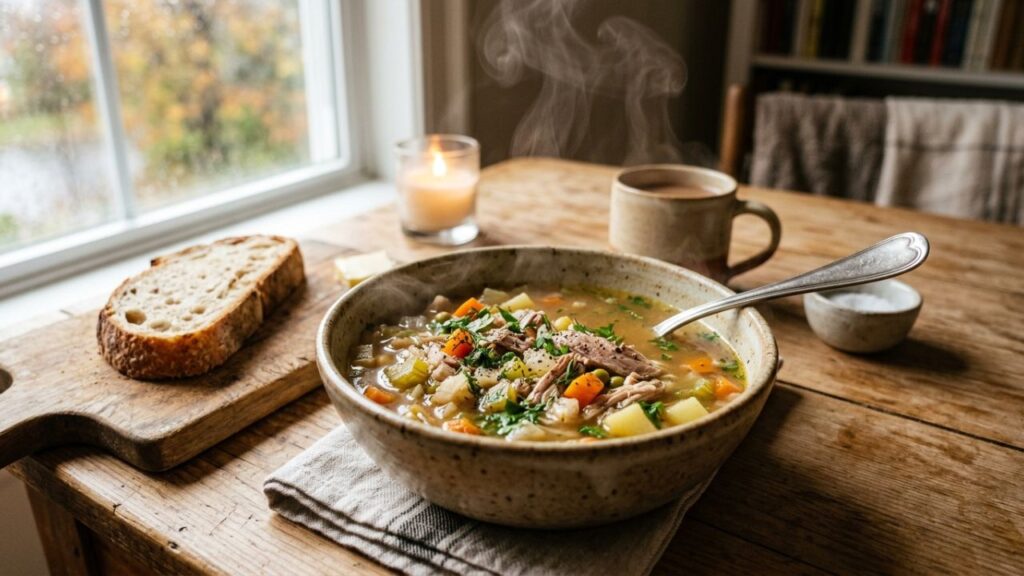
Leftovers from roast capon recipe are incredibly versatile and can be used in multiple dishes the next day. Shredded meat works perfectly in sandwiches, salads, or pasta dishes. You can also turn it into a comforting soup by simmering the bones with vegetables and herbs. This creates a rich homemade broth that carries deep roasted flavor. Another great option is adding the meat to a creamy casserole or baked pasta dish. Nothing from the bird needs to go to waste, making it both economical and practical.
Is Roast Capon Healthy?
Despite its rich flavor, capon recipe can still be part of a balanced diet. It is a good source of lean protein, essential for muscle repair and energy. It also contains important nutrients like vitamin B6, B12, phosphorus, and selenium. While capon has slightly more fat than chicken, much of it is unsaturated fat, which is considered more heart-friendly than the saturated fat found in red meats. If you want a lighter option, you can remove the skin after cooking to reduce calorie intake while still enjoying tender meat.
FAQs
1. Is capon better than turkey for holidays?
Yes, for smaller gatherings capon is often preferred because it is juicier, easier to cook, and more flavorful without being overwhelming in size.
2. Can I cook capon Recipe in a normal oven?
Yes, a standard home oven works perfectly as long as you use a roasting rack and maintain even temperature.
3. How long should I rest the capon after cooking?
It should rest for at least 20 to 30 minutes before carving to keep the meat juicy.
4. Why is capon more expensive than chicken?
It is raised more slowly, has higher fat content, and is less commonly produced, which increases its cost.
5. What is the biggest mistake when cooking capon?
Overcooking or skipping the resting step. Both can result in dry meat even though capon is naturally juicy.

Final Thoughts
A roast capon recipe is more than just a holiday dish — it is a centerpiece that brings elegance, comfort, and deep flavor to the table. With its rich texture, forgiving cooking process, and impressive presentation, it is an excellent choice for festive dinners. When prepared with patience and care, it delivers a result that feels both traditional and gourmet, making it one of the most rewarding poultry recipes you can master at home.