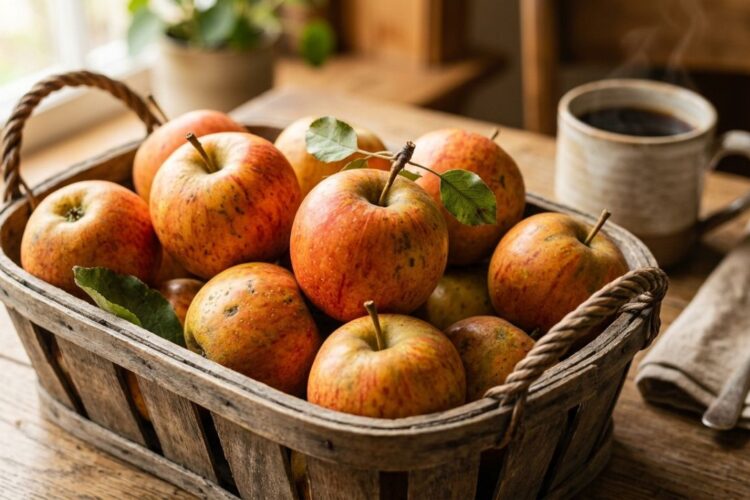
If you think all orange apples taste the same, orange apples are here to completely change your perspective. These beautifully colored fruits bring together heritage, flavor, and nutrition in a way that modern commercial apples often fail to deliver. With their warm orange-red skin and complex aroma, heirloom varieties such as Cox’s Orange Pippin have earned a reputation among food lovers as some of the most refined apples available.
In a world where supermarket produce is often bred for appearance and shelf life rather than taste, orange apples stand out as something truly special. They offer a richer and more layered eating experience that appeals to both casual fruit lovers and serious food enthusiasts. Whether you enjoy them fresh, baked, or paired with other ingredients, these apples bring depth and character to every bite.
What Are Orange Apples?
The term “orange apple” does not mean a hybrid between oranges and apples. Instead, it refers to specific apple varieties that naturally develop an orange or orange-red blush on their skin as they ripen. These apples are typically heirloom varieties, meaning they have been cultivated over generations rather than engineered for mass production.
One of the most famous examples is Cox’s Orange Pippin, first grown in England in the 19th century. This variety is widely considered a benchmark for apple flavor due to its remarkable balance of sweetness and acidity. Unlike modern apples that are often bred for uniformity, these heirloom types retain unique characteristics that make them stand out both visually and in taste.
Flavor Profile and Texture
What truly sets orange apples apart is their flavor complexity. While many common apples offer a straightforward sweet taste, these apples provide a layered experience that evolves as you eat them. The sweetness is gentle and natural, often compared to honey rather than sugar. This is balanced by a refreshing acidity that prevents the fruit from becoming overly rich. Many people also notice subtle aromatic notes that resemble pear, melon, or even mild spice. Some varieties carry a faint citrus-like brightness, which adds to their uniqueness.
The texture also contributes significantly to their appeal. The flesh is fine-grained and crisp, delivering a clean snap when bitten into. It is juicy without being watery, making it satisfying and refreshing at the same time.
Nutritional Value and Health Benefits
In addition to their appealing flavor, orange apples provide a strong nutritional profile. Like other apples, they are rich in dietary fiber, particularly pectin, which plays an important role in supporting digestive health. Regular consumption can help maintain a healthy gut and promote better digestion. They are also a good source of vitamin C, which contributes to immune function and helps protect the body against everyday stress. Antioxidants present in the skin and flesh work to protect cells from damage caused by free radicals.
Because many orange apple varieties are heirloom, they may retain a broader range of phytonutrients compared to apples bred primarily for long storage. These natural compounds can support heart health and overall well-being. Their relatively low glycemic impact also means they provide a steady release of energy, making them a smart choice for sustained nutrition.
Using Orange Apples in Cooking and Baking
Orange apples are highly valued in the kitchen due to their balanced flavor and firm texture. When cooked, they hold their shape better than many softer varieties, which makes them particularly suitable for baking. In desserts, they bring a bright and slightly tangy flavor that cuts through sweetness and prevents dishes from becoming too heavy. This makes them ideal for recipes such as apple tarts, crumbles, and baked apples. Their ability to maintain structure means they create a pleasing texture in pies and pastries rather than turning into a soft puree.
Modern cooking trends have also embraced pairing these apples with citrus elements. Adding a touch of orange zest or juice can enhance their natural brightness and create a more vibrant flavor profile. This approach adds a contemporary twist to traditional recipes and makes them feel fresh and exciting.
How to Choose the Best Orange Apples
Selecting high-quality orange apples requires careful observation. Since these varieties are often sold in farmers’ markets or specialty stores, they may not always have the polished appearance of supermarket apples, but their quality is usually superior. A good apple should feel firm when gently pressed and should not have any soft spots. Its weight should feel substantial for its size, which indicates good moisture content. The skin should display a natural matte finish rather than an artificial shine, as excessive wax can sometimes mask the fruit’s true condition.
A pleasant aroma is another strong indicator of quality. A subtle floral or slightly spicy scent suggests that the apple is ripe and full of flavor. Visual cues such as orange streaks or a warm blush also help identify well-developed fruit.
Storage and Shelf Life
Proper storage plays an important role in preserving the taste and texture of orange apples. When kept in the refrigerator, they can remain fresh for several weeks. The crisper drawer is usually the best place, as it maintains the right balance of humidity. At room temperature, these apples are best consumed within a few days, as they tend to soften more quickly. It is also advisable to store them away from leafy vegetables because apples release natural gases that can accelerate spoilage in nearby produce.
For longer-term use, they can be preserved in various ways. Freezing sliced apples is a convenient option for baking, while making applesauce or compote allows you to enjoy their flavor in a different form. Drying them into chips is another popular method that creates a healthy and portable snack.
Popular Orange Apple Varieties
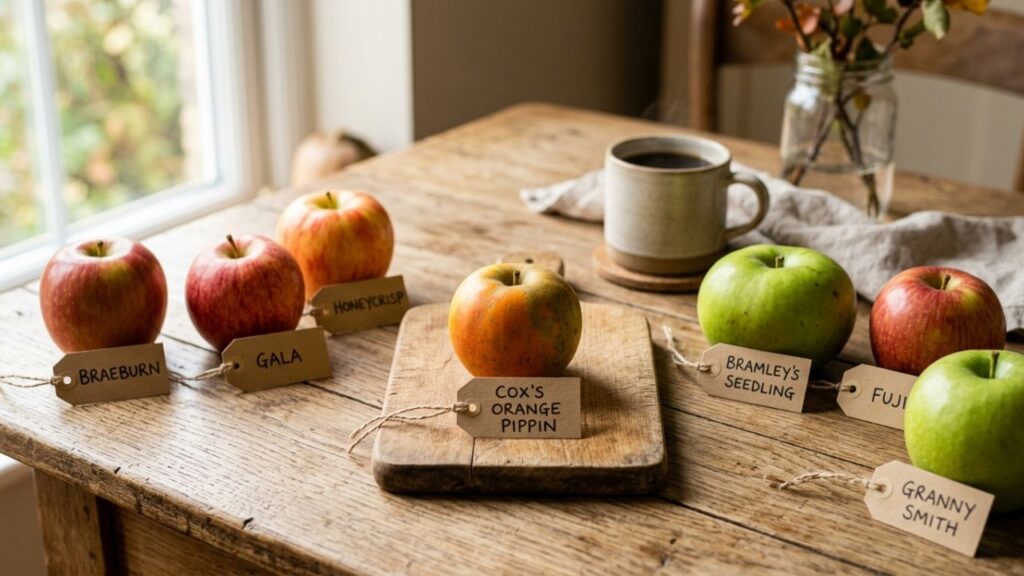
While Cox’s Orange Pippin remains the most iconic example, there are other varieties that display similar color and flavor characteristics. Braeburn apples are known for their balanced sweetness and slight spiciness, making them a versatile choice. Gala apples, although more common, can sometimes develop an orange-red blush and offer a milder but pleasant flavor. Exploring different varieties allows you to experience a range of tastes and textures, each with its own unique appeal.
Pairing Ideas for Maximum Flavor
Orange apples are incredibly versatile and can be paired with a wide range of foods to create both simple and sophisticated dishes. Their natural acidity makes them an excellent match for rich and creamy cheeses, where the contrast enhances both elements. They also work beautifully in salads, especially when combined with greens, nuts, and a light dressing. For sweeter options, pairing them with ingredients like dark chocolate or nut butter creates a satisfying balance of flavors and textures. These combinations allow you to enjoy the apples in creative ways while highlighting their natural qualities.
Growing Orange Apples at Home
For those interested in gardening, growing orange apples can be a rewarding experience. These trees generally prefer a temperate climate and require a good amount of sunlight to develop their characteristic color and flavor. Regular pruning helps ensure that light reaches all parts of the tree, which is essential for healthy fruit development. While they may require more attention than standard commercial varieties, the result is a harvest that is far superior in taste. For people with limited space, dwarf or container-friendly trees are available, making it possible to grow them even in small gardens or balconies.
Seasonality and Availability
Orange apples are typically available during the late autumn season. Because they are not mass-produced, their availability can be limited, which adds to their appeal. Farmers’ markets and specialty stores are the best places to find them at their peak quality. Buying them in season ensures the best flavor and freshness, making the experience even more enjoyable.
Why Apple Diversity Matters
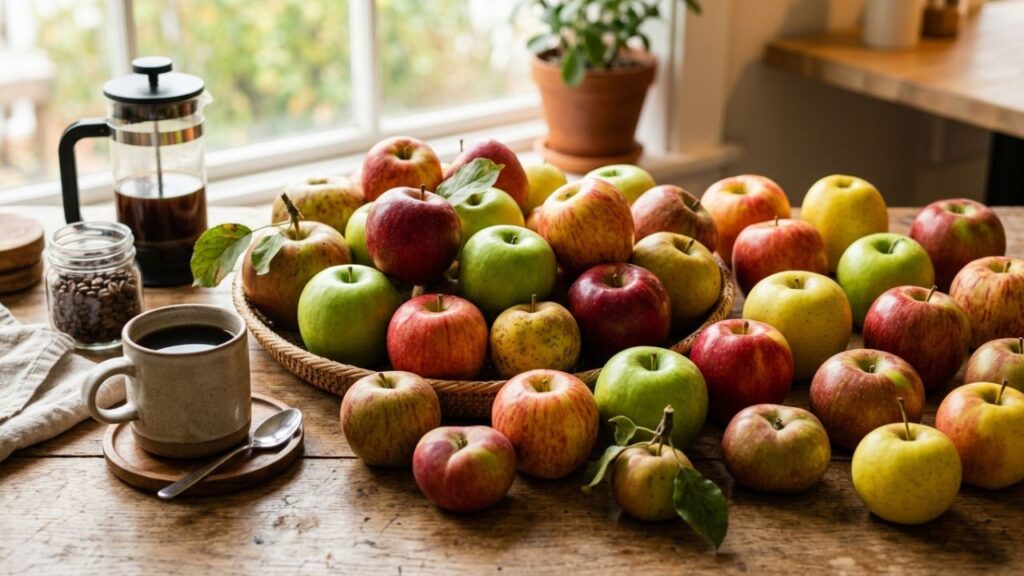
The existence of orange apples highlights the importance of preserving diversity in our food system. Over time, many unique apple varieties have been replaced by a small number of commercially viable types. While this has improved convenience, it has also reduced the range of flavors available to consumers. By choosing heirloom apples, you support the preservation of traditional varieties and contribute to a more sustainable agricultural system. This helps maintain genetic diversity, which is important for resilience against environmental changes and pests.
FAQs
1. Are orange apples a mix of apples and oranges?
No, they are completely natural apple varieties. Their color comes from natural pigmentation, not from crossbreeding with oranges.
2. Why do they taste more complex than regular apples?
They are often heirloom varieties that have not been bred solely for sweetness or shelf life, allowing them to retain a richer and more balanced flavor.
3. Are they suitable for baking?
Yes, their firm texture and balanced taste make them one of the best choices for baking and cooking.
4. Where can I find orange apples?
They are usually available at farmers’ markets, organic stores, and specialty fruit shops, especially during autumn.
5. Do they have the same health benefits as other apples?
Yes, they provide fiber, vitamins, and antioxidants similar to other apples, along with a diverse range of natural compounds.
Conclusion
Orange apples offer a unique combination of flavor, nutrition, and heritage that sets them apart from standard varieties. Their complex taste, versatility in cooking, and natural appeal make them an excellent addition to any kitchen.
Whether you are enjoying them fresh, incorporating them into recipes, or exploring their history, these apples provide a richer and more rewarding experience. Choosing them is not just about taste, but also about appreciating the diversity and tradition behind the food we eat.